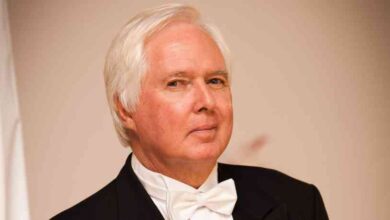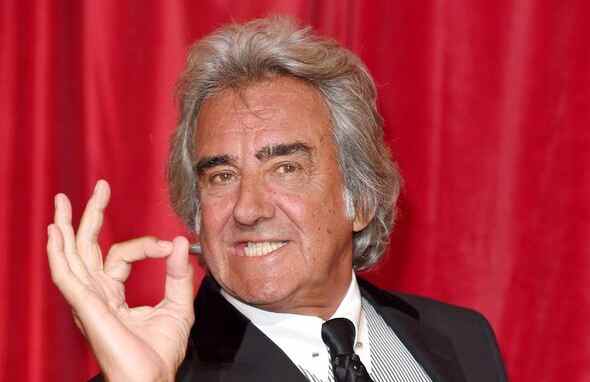
David Dickinson stands as one of Britain’s most recognisable television personalities, a man whose name has become almost synonymous with antiques and daytime television. With his distinctive style, warm charm, and unmistakable presence, he transformed what was once a niche interest into a widely loved form of entertainment.
Early Life and Background
A Complex Beginning
David Dickinson was born on 16 August 1941 in Cheadle Heath, Cheshire. His birth name was David Gulesserian, reflecting his Armenian heritage through his biological mother. Shortly after his birth, he was adopted by an English family, a turning point that shaped his upbringing and identity.
Growing up in post-war Britain, his early years were not particularly easy. He left school at a young age and struggled to find direction. Like many young men of his generation, he faced challenges that would later influence his outlook on life.
Youthful Mistakes and Lessons
In his early adulthood, David Dickinson made decisions that led to legal trouble, including a prison sentence for fraud. While this period could have defined his life negatively, it instead became a moment of reflection and transformation.
After serving his sentence, he worked hard to rebuild his life. This phase instilled discipline, resilience, and a strong desire to succeed—qualities that would later define his career.
The Rise in the Antiques World
Discovering a Passion
Before stepping into television, David Dickinson established himself as a respected antiques dealer. He opened a shop in Manchester, focusing on 18th and 19th-century furniture and decorative arts.
His keen eye for quality and authenticity quickly earned him a reputation in the antiques trade. He was not just a dealer; he was a storyteller, someone who could bring history to life through objects.
Building Expertise
Over time, he became a familiar figure at antiques fairs and exhibitions across the UK. His deep knowledge, combined with an engaging personality, made him stand out in a competitive field.
This experience laid the foundation for his later success on television. It was not simply about buying and selling; it was about understanding value, history, and human connection.
Television Breakthrough
The Turning Point
David Dickinson’s entry into television was somewhat unexpected. A chance encounter with a producer led to his involvement in a documentary about antiques. His natural charisma and ease in front of the camera quickly became evident.
This opportunity opened the door to larger roles, ultimately leading to his breakthrough as a television presenter.
Bargain Hunt and National Recognition
His role as the original presenter of Bargain Hunt brought David Dickinson into homes across the country. The programme, which combined competition with antiques expertise, became an instant hit.
Audiences were drawn to his lively commentary, humorous observations, and ability to make antiques accessible. He had a rare talent for turning complex valuations into engaging narratives.
Establishing a Signature Style
During this period, he developed the persona that would define his career: flamboyant yet approachable, knowledgeable yet entertaining. His catchphrases and distinctive appearance made him instantly recognisable.
Dickinson’s Real Deal and Continued Success
A New Chapter
After leaving Bargain Hunt, David Dickinson launched Dickinson’s Real Deal, a show that would become his signature programme. Premiering in 2006, it introduced a slightly different format, allowing members of the public to sell their items either directly to dealers or at auction.
This format added a layer of drama and decision-making, making the show even more engaging.
Why the Show Works
The success of Dickinson’s Real Deal lies in its simplicity and authenticity. Viewers are invited into real-life stories, where everyday people discover the hidden value of their possessions.
David Dickinson plays a central role in guiding these interactions, offering advice, encouragement, and occasional humour. His presence ensures the show remains both informative and entertaining.
Longevity in Television
Few television presenters maintain relevance across decades, but David Dickinson has managed to do so. His ability to adapt while staying true to his style has been key to his enduring popularity.
Personal Life and Character
Family and Relationships
David Dickinson has been married to his wife, Lorne Lesley, since 1968. Their long-lasting marriage is a testament to stability and commitment, qualities that contrast with the unpredictability of his early years.
He is also a father and grandfather, roles he values deeply. Despite his public persona, he maintains a relatively private personal life.
A Distinctive Personality
One cannot discuss David Dickinson without mentioning his personality. His warm, conversational tone makes viewers feel at ease, while his enthusiasm for antiques is genuinely infectious.
His famous phrases, such as describing an item as a “real bobby-dazzler,” have become part of British pop culture. These expressions reflect his ability to connect with audiences in a memorable way.
Influence on British Television
Making Antiques Mainstream
Before his rise to fame, antiques programmes were often considered niche or overly academic. David Dickinson changed that perception by bringing energy and accessibility to the genre.
He demonstrated that antiques could be both educational and entertaining, appealing to a broad audience.
Inspiring a New Generation
Many modern antiques presenters and programmes owe a debt to his pioneering approach. By blending expertise with entertainment, he set a new standard for factual television.
His influence extends beyond television, encouraging interest in history, craftsmanship, and collecting.
Challenges and Resilience
Overcoming the Past
David Dickinson’s life story is a powerful example of redemption. His early mistakes did not define his future; instead, they became part of a larger narrative of growth and success.
This aspect of his life resonates with many people, adding depth to his public image.
Staying Relevant
In an ever-changing media landscape, maintaining relevance is no small feat. Yet David Dickinson has managed to remain a familiar and trusted presence.
His consistency, combined with a willingness to evolve, has allowed him to stay connected with audiences across generations.
Style, Image, and Public Perception
A Recognisable Look
David Dickinson is known for his distinctive appearance, including his deep tan and elegant suits. This visual identity has become part of his brand.
While sometimes the subject of light-hearted jokes, it also reinforces his individuality and confidence.
Public Appeal
What makes David Dickinson truly appealing is his authenticity. He does not attempt to be overly polished or detached; instead, he embraces his quirks and personality.
This genuine approach has earned him a loyal following and enduring respect.
Legacy and Continuing Impact
A Lasting Contribution
David Dickinson’s contribution to British television is significant. He has not only entertained millions but also educated viewers about antiques and their value.
His work has helped preserve interest in cultural heritage, making history accessible to everyday audiences.
Looking Ahead
Even in later life, David Dickinson continues to work and engage with viewers. His passion for antiques remains undiminished, and his presence on television continues to be welcomed.
His legacy is not just in the programmes he has presented, but in the way he has shaped an entire genre.
FAQs
What is David Dickinson best known for?
David Dickinson is best known for presenting antiques television programmes, particularly Bargain Hunt and Dickinson’s Real Deal.
Did David Dickinson have a career before television?
Yes, David Dickinson was an experienced antiques dealer before entering television, specialising in furniture and decorative arts.
Why is David Dickinson called “The Duke”?
The nickname “The Duke” reflects his elegant style, confident personality, and authoritative presence on screen.
Is David Dickinson still active on television?
Yes, David Dickinson remains active and continues to be associated with antiques programming.
What makes David Dickinson unique as a presenter?
David Dickinson combines expert knowledge with charisma and humour, making complex topics accessible and enjoyable for viewers.
Conclusion
David Dickinson’s journey from a troubled youth to a celebrated television icon is a story of resilience, reinvention, and passion. Through dedication and authenticity, he has carved out a unique place in British culture.