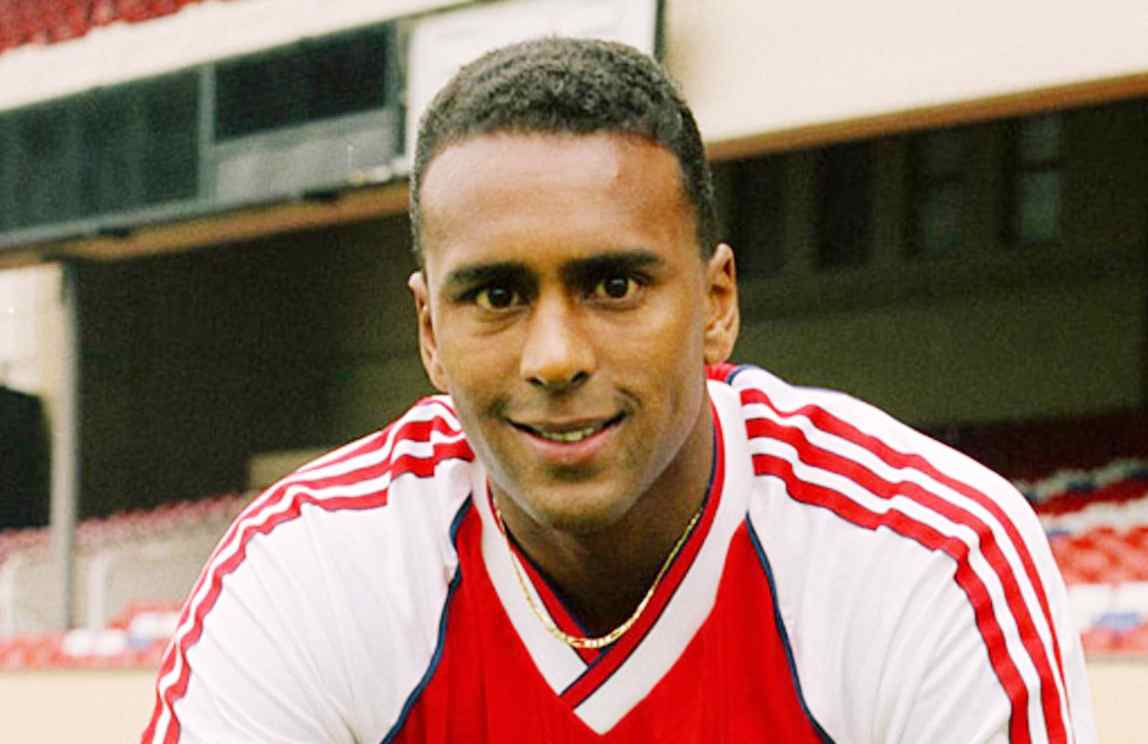
Few footballers leave a legacy that transcends statistics, trophies, and timelines. David Rocastle is one such figure. Known affectionately as “Rocky,” he remains one of the most beloved players in English football history, particularly among supporters of Arsenal. His story is not just about footballing brilliance but also about humility, resilience, and an enduring emotional connection with fans.
Early Life and Roots in South London
David Rocastle was born on 2 May 1967 in Lewisham, South London. Growing up in a culturally rich yet economically modest environment, football quickly became more than a pastime—it was an escape and a pathway to something greater.
From an early age, Rocastle demonstrated natural ability. Unlike many youngsters who relied purely on physical attributes, his game was built on intelligence, technique, and composure. He wasn’t just playing football; he was understanding it.
His talent did not go unnoticed for long. Arsenal scouts spotted him during his teenage years, and he soon joined the club’s youth academy—a move that would define his career and identity.
Breaking Through at Arsenal
Rise to the First Team
David Rocastle made his professional debut for Arsenal in 1985, and it didn’t take long for him to make an impression. His calmness on the ball, ability to glide past defenders, and eye for a pass distinguished him from others.
Under the management of George Graham, Arsenal underwent a transformation in the late 1980s. Rocastle became a key component of that evolving team, contributing both creativity and discipline.
The 1988–89 Season: A Historic Triumph
One of the defining moments of David Rocastle’s career came during the 1988–89 season. Arsenal famously won the league title in dramatic fashion, defeating Liverpool FC at Anfield on the final day.
Although the iconic goal by Michael Thomas often takes centre stage in retellings of that match, Rocastle’s contributions throughout the season were vital. He scored crucial goals and consistently delivered performances that kept Arsenal competitive.
That season cemented his place not just in the team but in the hearts of supporters.
Playing Style: Elegance in Motion
David Rocastle was not a typical midfielder. In an era where English football often prioritised physicality and direct play, he brought finesse and sophistication.
Key Attributes
- Technical Excellence: Rocastle possessed outstanding ball control and dribbling ability.
- Vision: His passing range allowed him to unlock defences with ease.
- Versatility: He could operate centrally or on the wing without losing effectiveness.
- Composure: Even under pressure, he rarely appeared rushed or flustered.
Watching David Rocastle play was like watching a craftsman at work. He made difficult things look effortless, often gliding past opponents rather than overpowering them.
International Career with England
David Rocastle earned his place in the England national football team, making 14 appearances between 1988 and 1990.
While his international career was relatively short, it carried a unique distinction: England never lost a match in which Rocastle played. This statistic, while perhaps coincidental, reflects the positive impact he had whenever he stepped onto the pitch.
Despite his talent, fierce competition in midfield meant he never fully established himself as a long-term fixture for England. Nevertheless, his performances were always respected and appreciated.
Life Beyond Arsenal
Transfers and Challenges
In 1992, David Rocastle left Arsenal—a move that surprised and saddened many fans. Football, however, can be unforgiving, and managerial decisions often overlook emotional attachments.
He went on to play for several clubs, including:
- Leeds United
- Manchester City
- Chelsea FC
Although he continued to display flashes of brilliance, he never quite recaptured the same level of influence he had at Arsenal. Injuries and changing team dynamics played a role in this.
Later Career Abroad
Rocastle eventually moved abroad, finishing his career in Malaysia. This phase allowed him to continue playing the game he loved, albeit away from the spotlight of English football.
Personality and Character
What truly set David Rocastle apart was not just his footballing ability but his personality.
Humility and Respect
Rocastle was known for his humility. He carried himself with quiet dignity, never seeking the limelight. Teammates often described him as approachable, grounded, and deeply respectful.
Connection with Fans
Fans adored him—not just because of his performances but because of who he was as a person. He represented values that supporters cherish: loyalty, effort, and authenticity.
His nickname “Rocky” symbolised strength, but those who knew him understood that his true strength lay in his character.
Illness and Untimely Passing
In 2000, David Rocastle was diagnosed with non-Hodgkin lymphoma, a form of cancer. The news shocked the footballing world.
Despite undergoing treatment, his condition worsened, and he passed away on 31 March 2001 at the age of just 33.
His death was a profound loss—not only for his family and friends but for the entire football community. Tributes poured in from across the globe, highlighting the respect and admiration he had earned.
Legacy at Arsenal and Beyond
A Lasting Influence
David Rocastle’s legacy is deeply embedded in Arsenal’s identity. The club continues to honour him in various ways, ensuring that new generations understand his significance.
Cultural Impact
Rocastle’s influence extends beyond football. He is often cited as a role model for young players, particularly those from similar backgrounds.
His story demonstrates that success does not require arrogance or flamboyance—it can be achieved through dedication, humility, and grace.
Why David Rocastle Still Matters Today
In modern football, where commercialisation and celebrity culture dominate, figures like David Rocastle stand out even more.
Lessons for Modern Players
- Stay grounded despite success
- Value teamwork over individual glory
- Maintain respect for the game and its supporters
A Symbol of Authentic Football
David Rocastle represents a purer form of football—one driven by passion rather than profit. His memory serves as a reminder of what the sport can and should be.
FAQs
1. Why is David Rocastle called “Rocky”?
The nickname “Rocky” was a shortened, affectionate version of his surname. It became widely used by fans and teammates as a symbol of familiarity and admiration.
2. How many goals did David Rocastle score for Arsenal?
David Rocastle scored 34 goals for Arsenal in over 200 appearances, contributing significantly during his time at the club.
3. Did David Rocastle win major trophies?
Yes, he was part of the Arsenal team that won the First Division title in the 1988–89 season, one of the most dramatic title wins in English football history.
4. What position did David Rocastle play?
He primarily played as a midfielder but was versatile enough to operate on the wing or in more advanced attacking roles.
5. How is David Rocastle remembered today?
He is remembered as an Arsenal legend, a gifted footballer, and a humble individual whose legacy continues to inspire players and fans alike.
Conclusion
David Rocastle’s story is one of talent, grace, and humanity. He was more than just a footballer; he was a symbol of integrity in a sport that often demands compromise. His contributions to Arsenal, his impact on English football, and his enduring connection with fans ensure that his name will never be forgotten.
Even years after his passing, chants of “Rocky” still echo in stadiums, a testament to the love and respect he inspired. In remembering David Rocastle, we are reminded that true greatness lies not only in what you achieve but in how you are remembered.