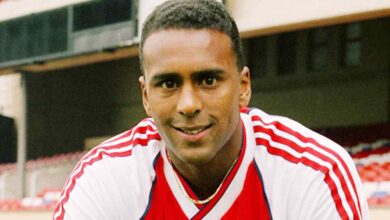
The story of David Speedie is not one of effortless talent or early stardom. Instead, it is a tale forged through grit, determination, and an unbreakable will to succeed. In an era when football was as much about toughness as technique, David Speedie stood out as a player who embodied the fighting spirit of the game.
From working in coal mines in Scotland to becoming a feared striker in English football, David Speedie’s journey is both inspiring and unconventional. He was not the most technically gifted forward of his time, but what he lacked in finesse, he more than made up for in aggression, work rate, and sheer persistence.
Early Life and Humble Beginnings
David Speedie was born on 20 February 1960 in Glenrothes, Scotland. Unlike many professional footballers who enter academies at a young age, Speedie’s path into football was far from traditional. Before pursuing the sport full-time, he worked as a coal miner—a physically demanding job that arguably shaped his relentless approach on the pitch.
His early footballing years were spent in the lower leagues, where he had to prove himself repeatedly. Opportunities did not come easily, and unlike many players who are scouted young, David Speedie had to fight for recognition.
This background instilled in him a mentality that would define his career: resilience, aggression, and an unwillingness to back down from any challenge.
Breaking Into Professional Football
David Speedie’s professional breakthrough came relatively late compared to most players. His early career included spells at smaller clubs, where he honed his skills and developed his trademark playing style.
His performances eventually caught the attention of bigger clubs, leading to a move that would change the course of his career—joining Chelsea in 1982.
This was the moment when David Speedie transitioned from a struggling lower-league player into a recognised name in English football.
Chelsea Years: Becoming a Fan Favourite
David Speedie’s time at Chelsea is widely regarded as the most significant period of his career. Joining the club in 1982, he quickly became a key figure in the team.
At Chelsea, Speedie formed a formidable partnership with striker Kerry Dixon. The duo complemented each other well—Dixon provided clinical finishing, while Speedie brought energy, physicality, and relentless pressing.
During his time at the club, David Speedie helped Chelsea achieve promotion to the First Division. His contributions were not just measured in goals but also in his ability to disrupt defences and create opportunities for teammates.
Chelsea fans appreciated his work ethic and passion. He was not a glamorous player, but he was effective—and that made him a cult hero at Stamford Bridge.
Playing Style: Aggression Meets Determination
David Speedie was not your typical striker. Standing at around 5 feet 7 inches, he lacked the physical stature of many forwards. However, he compensated for this with:
- Exceptional determination
- Fearless tackling and pressing
- Strong aerial ability despite his height
- High energy and constant movement
He was known for being combative, often getting into physical battles with defenders. His style could be described as relentless—he never gave opponents a moment’s peace.
In many ways, David Speedie represented the old-school British forward: hardworking, direct, and unapologetically aggressive.
Coventry City: Peak Performance Years
After leaving Chelsea, David Speedie joined Coventry City in 1987. This period marked some of the most productive years of his career.
At Coventry, he continued to showcase his goal-scoring ability while maintaining his intense playing style. He became a crucial part of the team, contributing both goals and leadership on the pitch.
His time at Coventry City solidified his reputation as a dependable striker who could perform consistently at the top level of English football.
Liverpool Spell: Short but Impactful
In 1991, David Speedie made a surprising move to Liverpool, one of the biggest clubs in England. Although his time there was brief, it was far from insignificant.
Speedie made an immediate impact by scoring on his debut—a moment that highlighted his ability to deliver under pressure.
During his stint at Liverpool, he scored several important goals and demonstrated that he could adapt to different playing styles and team environments.
Despite his contributions, his time at the club was short-lived, but it remains a notable chapter in his career.
Blackburn Rovers and Later Career
Following his departure from Liverpool, David Speedie joined Blackburn Rovers. At Blackburn, he played an important role during a period when the club was striving for promotion.
His experience and work rate were valuable assets, especially for a team looking to establish itself in higher divisions.
In the later stages of his career, Speedie played for several clubs, including:
- Southampton
- West Ham United (loan)
- Leicester City
- Barnsley
- Darlington
While these spells were shorter and less prominent, they reflected his enduring passion for the game. Even as he aged, David Speedie continued to give his all on the pitch.
International Career with Scotland
David Speedie also represented Scotland at the international level. Between 1985 and 1989, he earned 10 caps for the national team.
Although he did not score any goals for Scotland, his inclusion in the squad was a testament to his performances at club level.
International football did not bring him the same success as his club career, but it still marked an important achievement in his journey.
Personality and Controversies
David Speedie was known not only for his footballing abilities but also for his fiery personality.
He was a player who thrived on confrontation, often engaging in physical and verbal battles with opponents. While this made him effective on the pitch, it also led to controversies.
His aggressive style sometimes crossed the line, resulting in disciplinary issues. Additionally, comments made later in his life attracted criticism and added to his controversial image.
Despite this, many fans admired his honesty and passion. He was never one to hide his emotions, and this authenticity resonated with supporters.
Life After Football
After retiring from professional football, David Speedie remained connected to the sport in various ways. He worked in media and occasionally appeared as a pundit.
Unlike many former players who fade from the public eye, Speedie continued to attract attention due to his outspoken nature and unique personality.
He also spent time living in Ireland, enjoying a quieter life away from the intense spotlight of professional football.
Legacy and Impact on Football
David Speedie’s legacy is not defined by trophies or individual awards. Instead, it lies in the way he approached the game.
He represents a type of footballer that is becoming increasingly rare in the modern era—one who relies on determination, grit, and relentless effort rather than pure technical brilliance.
His journey from coal mines to top-flight football serves as an inspiration to aspiring players, proving that success is possible through hard work and perseverance.
At clubs like Chelsea and Coventry City, he remains a memorable figure, celebrated for his commitment and passion.
Why David Speedie Still Matters Today
In today’s football landscape, where players are often judged by statistics and market value, David Speedie’s story offers a refreshing perspective.
He reminds us that football is not just about skill—it is also about heart, resilience, and the willingness to fight for every opportunity.
Young players can learn valuable lessons from his career:
- Never give up, regardless of your starting point
- Work harder than your competition
- Embrace challenges rather than avoid them
David Speedie’s career may not have been glamorous, but it was undeniably impactful.
FAQs
Who is David Speedie?
David Speedie is a former Scottish professional footballer who played as a striker, known for his aggressive style and strong work ethic.
Which club is David Speedie most associated with?
He is most closely associated with Chelsea, where he became a fan favourite and played a key role in the club’s success during the 1980s.
Did David Speedie play for Liverpool?
Yes, David Speedie had a short but impactful spell at Liverpool, where he scored on his debut and contributed several goals.
What made David Speedie unique as a striker?
His relentless pressing, physicality, and determination set him apart. He was known for his aggressive approach and never-give-up attitude.
Did David Speedie play for the Scotland national team?
Yes, he earned 10 caps for Scotland between 1985 and 1989, although he did not score any international goals.
Conclusion
David Speedie’s story is a powerful reminder that success in football—and in life—is not always about natural talent or early opportunities. It is often about perseverance, resilience, and the courage to keep pushing forward despite obstacles.
From his beginnings in the coal mines of Scotland to his rise in English football, David Speedie carved out a career that was both unique and inspiring. He may not have been the most technically gifted player, but his determination and fighting spirit made him unforgettable.