The story of Martin Hirigoyen Kelly is one of skill, compassion and profound impact. A gifted British craniofacial plastic surgeon, he built a career devoted not to fame, but to transforming lives. Behind the operating theatre doors, Martin Hirigoyen Kelly restored faces, confidence and dignity to children and adults alike. Outside the hospital, he was a husband, father, musician and humanitarian whose influence continues to resonate long after his untimely death.
Early Life and Family Background
Martin Hirigoyen Kelly was born on 7 May 1965 in London. His father, Bernard Hirigoyen, was of French Basque heritage, and his mother, Diane Kelly, was British. Following his parents’ separation, Martin and his siblings moved with their mother to London. It was during this period that he adopted his mother’s surname, becoming Martin Hirigoyen Kelly.
This dual heritage — French Basque roots combined with an English upbringing — gave him a cosmopolitan perspective from an early age. He was educated partly in Paris before returning to England to attend Winchester College, one of the country’s most academically rigorous schools. The intellectual discipline and independence fostered there would later become hallmarks of his medical career.
Even as a young man, those who knew Martin Hirigoyen Kelly described him as thoughtful, curious and quietly determined. He was not flamboyant; instead, he preferred focus and precision. These qualities would serve him well in the demanding world of surgery.
Medical Education and Surgical Training
Training at St Bartholomew’s Hospital
Martin Hirigoyen Kelly studied medicine at St Bartholomew’s Hospital Medical College in London, qualifying in 1989. St Bartholomew’s — often simply called “Barts” — is one of the oldest medical institutions in the United Kingdom, with a history dating back to 1123. Training in such an environment meant exposure to both tradition and cutting-edge medical practice.
After qualifying as a doctor, he pursued surgical training in Oxford and London. Surgery in the early 1990s required relentless commitment: long shifts, rigorous examinations and hands-on experience across multiple specialties. By 1993, Martin Hirigoyen Kelly had achieved Fellowship of the Royal College of Surgeons (FRCS), a significant professional milestone that marked him as a fully qualified surgeon.
Specialisation in Craniofacial Surgery
Craniofacial plastic surgery is among the most complex areas of medicine. It focuses on reconstructing congenital deformities, trauma injuries and defects caused by disease, including cancer. The work requires microscopic precision and a deep understanding of facial anatomy.
Martin Hirigoyen Kelly chose this demanding path. It was not merely about aesthetics; it was about function, breathing, speech, eating and psychological wellbeing. Reconstructing a child’s face after tumour removal or correcting a severe facial difference can transform not just appearance but quality of life.
His clinical appointments included consultant positions at Chelsea and Westminster Hospital and Royal Marsden Hospital. At these institutions, he worked with multidisciplinary teams treating complex cases, including children born with craniofacial anomalies and adults undergoing reconstruction following cancer surgery.
Colleagues often noted his calm demeanour in theatre. Where others might show stress, Martin Hirigoyen Kelly remained measured and focused. For patients and families facing frightening diagnoses, that composure brought reassurance.
Humanitarian Commitment: Facing the World
Perhaps one of the most enduring aspects of Martin Hirigoyen Kelly’s legacy is his humanitarian work. In 2002, he co-founded Facing the World alongside fellow surgeon Norman Waterhouse.
The charity was created to provide reconstructive surgery to children from developing countries who suffered from severe facial deformities. Many of these children had little or no access to advanced surgical care in their home nations. Some conditions were life-threatening; others led to social exclusion and stigma.
Through Facing the World, Martin Hirigoyen Kelly helped bring children to the United Kingdom for specialist treatment. He also participated in overseas missions, operating in challenging environments where resources were limited but the need was immense.
Working in Conflict Zones
Martin Hirigoyen Kelly also contributed his skills through humanitarian missions with organisations such as Médecins Sans Frontières. Operating in regions affected by conflict demanded not only surgical expertise but courage and adaptability.
In such environments, surgeons may work with limited equipment, inconsistent electricity and high patient volumes. The ability to remain composed under pressure becomes critical. For Martin Hirigoyen Kelly, this was not about heroism; it was about responsibility.
Children who had lived with untreated deformities were given new opportunities — to attend school, to socialise without fear, to live without pain or breathing difficulties. The ripple effect of one operation can extend across a lifetime.
Personal Life and Marriage
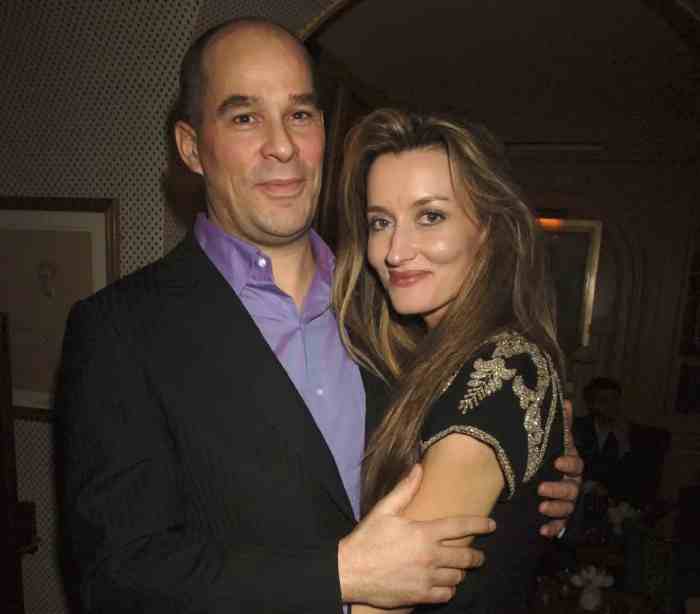
Beyond his professional achievements, Martin Hirigoyen Kelly was deeply devoted to his family. He married actress Natascha McElhone on 19 May 1998. The couple settled in Fulham, south-west London.
They had three sons. Two were born during his lifetime, and their third son was born after his death. Those close to the family described Martin Hirigoyen Kelly as an affectionate and engaged father. Despite the pressures of surgery and humanitarian commitments, he prioritised time at home.
He was also musically inclined, playing drums and bass guitar. Music offered a creative counterbalance to the precision of surgery. Friends recalled lively evenings where he would perform informally, revealing a side of him that contrasted with the seriousness of his professional life.
Sport and outdoor pursuits were equally important. He enjoyed skiing, tennis and horse riding — activities that required coordination, control and concentration, much like surgery itself.
Sudden Death and Public Response
Tragically, Martin Hirigoyen Kelly died suddenly on 20 May 2008, aged just 43. He collapsed outside his London home, one day after his tenth wedding anniversary. The cause of death was later determined to be dilated cardiomyopathy, a condition in which the heart becomes enlarged and cannot pump blood effectively.
The shock was profound. He had been in the prime of his career, with three young children and a growing humanitarian organisation. For his family, colleagues and patients, the loss was deeply personal.
His wife later wrote about the experience of grief and resilience in her memoir After You: Letters of Love, and Loss, to a Husband and Father. Through that book, many readers gained insight into the private man behind the respected surgeon.
In the medical community, tributes highlighted not only his technical excellence but his humility. Martin Hirigoyen Kelly was not driven by recognition. He was driven by outcomes — by the quiet satisfaction of knowing that a child could smile, speak or breathe more easily because of his hands.
Professional Impact and Ongoing Legacy
The charity Facing the World continues its mission, providing reconstructive surgery and training programmes. In this way, the work begun by Martin Hirigoyen Kelly has expanded beyond his lifetime.
Training and mentorship are central to surgical progress. By working with younger surgeons, he contributed to a ripple effect: skills passed on, techniques refined and global partnerships strengthened.
Craniofacial surgery itself has advanced significantly since the early 2000s, incorporating improved imaging, 3D planning and refined reconstructive methods. Yet the foundational principles — meticulous planning, anatomical understanding and patient-centred care — remain unchanged. They were principles that Martin Hirigoyen Kelly embodied.
In discussions about medical leadership, his example illustrates that influence does not always require loud advocacy. Sometimes it lies in consistent excellence, integrity and service.
The Human Dimension of Surgical Work
It is easy to focus solely on credentials and institutions. Yet the life of Martin Hirigoyen Kelly reminds us that surgery is profoundly human work.
A child born with a severe facial anomaly may face bullying, isolation and difficulty eating or speaking. Parents may live with anxiety and guilt. A reconstructive operation can change the trajectory of that child’s life.
Surgeons in this field must balance technical mastery with empathy. The operating theatre demands precision; the consultation room demands compassion. Martin Hirigoyen Kelly was known for giving families time — explaining procedures clearly, acknowledging fears and offering realistic expectations.
Such communication skills are often underestimated. In reality, they form the backbone of trust between doctor and patient.
Why His Story Still Resonates
Nearly two decades after his passing, interest in Martin Hirigoyen Kelly remains strong. Partly this is due to his connection to a public figure, but more significantly it reflects admiration for a life devoted to purpose.
He represents a model of professional dedication that transcends celebrity association. In an era where visibility often outweighs substance, Martin Hirigoyen Kelly’s story stands as a reminder that quiet achievement can have lasting influence.
His life also highlights the unpredictability of health. Dilated cardiomyopathy can develop without obvious warning signs. His death prompted renewed awareness of cardiac screening and the importance of monitoring symptoms such as unexplained fatigue or breathlessness.
For many in the medical profession, his example underscores the need for balance — ambition paired with attention to personal wellbeing.
FAQs
Who was Martin Hirigoyen Kelly?
Martin Hirigoyen Kelly was a British craniofacial plastic surgeon known for his expertise in facial reconstruction and his humanitarian work with children requiring complex surgery.
What hospital did Martin Hirigoyen Kelly work at?
He served as a consultant surgeon at Chelsea and Westminster Hospital and the Royal Marsden Hospital in London.
What is Facing the World?
Facing the World is a UK-based medical charity co-founded by Martin Hirigoyen Kelly in 2002 to provide reconstructive surgery for children from developing countries.
How did Martin Hirigoyen Kelly die?
He died in 2008 from dilated cardiomyopathy, a heart condition that affects the heart’s ability to pump blood effectively.
Was Martin Hirigoyen Kelly married?
Yes, he was married to actress Natascha McElhone, and they had three sons together.
Conclusion
Martin Hirigoyen Kelly lived a life defined by skill, compassion and quiet strength. As a craniofacial surgeon, he repaired more than physical structures; he restored confidence and opportunity to countless patients. Through humanitarian initiatives and hospital practice alike, his influence extended across borders and generations.
Though his life was cut tragically short at 43, the values he embodied — dedication, humility and service — continue to inspire. In remembering Martin Hirigoyen Kelly, we remember not only a talented surgeon, but a man whose work changed lives in ways that statistics alone can never fully capture.