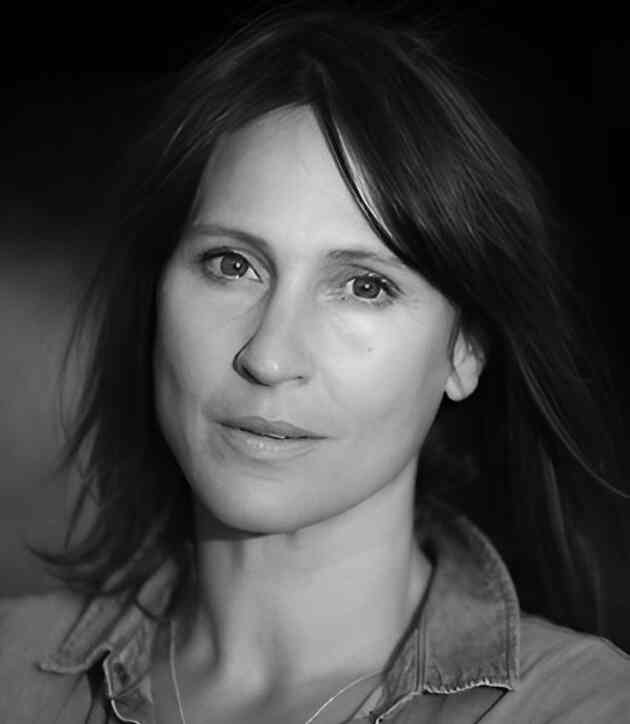
Miranda Pleasence is a respected British actress whose career reflects quiet consistency, artistic intelligence, and a deep commitment to craft. While she may not always dominate tabloid headlines, her body of work across television, film, theatre, and radio reveals an accomplished performer with remarkable range. Over the decades, Miranda Pleasence has built a reputation for delivering thoughtful, layered performances in some of Britain’s most recognised productions.
Early Life and Artistic Background
Born in Westminster, London, in October 1970, Miranda Pleasence grew up in an environment closely connected to the performing arts. As the daughter of the late actor Donald Pleasence, she was introduced to theatre and film culture from an early age. However, rather than relying solely on family connections, she carved her own path through training, auditions, and professional discipline.
Growing up in London exposed her to the heart of Britain’s theatrical heritage. From West End productions to independent stage performances, the city’s vibrant arts scene offered inspiration and opportunity. This early immersion shaped her appreciation for both classical and contemporary storytelling.
Unlike performers who seek rapid celebrity, Miranda Pleasence focused on developing technique and depth. Her formative years were defined not by publicity, but by steady growth and artistic exploration.
Breakthrough into Television
British television has long been a training ground for serious actors, and Miranda Pleasence established herself through strong appearances in respected series. Rather than chasing glamorous roles, she embraced complex supporting characters, often adding emotional nuance and authenticity to ensemble casts.
Appearances in Iconic British Series
Throughout the 1990s and 2000s, she appeared in numerous well-known programmes, including:
- The Bill
- Casualty
- New Tricks
- Rosemary & Thyme
- Pie in the Sky
- Wallander
These productions form part of Britain’s television heritage, and appearing in them requires both professionalism and adaptability. In crime dramas and procedural series especially, performances must feel grounded and believable. Miranda Pleasence consistently delivered that authenticity.
Her work in The Bill, for example, showcased her ability to inhabit everyday characters with emotional credibility. In medical drama Casualty, she demonstrated subtlety in high-stakes scenes. These appearances built a foundation of trust between her and casting directors across the UK industry.
Versatility in Character Roles
One defining quality of Miranda Pleasence is versatility. She has portrayed characters ranging from vulnerable figures to authoritative professionals. Rather than repeating a single persona, she adapts her tone, physicality, and vocal delivery to suit each script.
British television values actors who can transition seamlessly between genres, and she has done precisely that. Whether appearing in detective drama or period adaptation, she maintains a measured, convincing presence.
Film Contributions
Although much of her work has been in television, Miranda Pleasence has also contributed to notable film projects. Her filmography includes supporting roles in productions that required emotional restraint and historical sensitivity.
One significant appearance was in Notes on a Scandal (2006), a critically acclaimed British drama exploring obsession, betrayal, and moral ambiguity. Working alongside internationally recognised performers demands composure and technical skill. Her participation in such projects reinforces her standing as a reliable and capable screen actor.
Film roles often differ from television in scale and pacing. Subtle facial expressions carry greater weight on cinema screens, and Miranda Pleasence has demonstrated the ability to adjust her performance style accordingly.
Theatre and Stage Work
For many British actors, theatre remains the true test of craft. Live performance requires stamina, precision, and immediate emotional connection with an audience. Miranda Pleasence’s theatre experience reflects commitment to the foundations of acting.
The Importance of Stage Training
Stage acting demands vocal control, physical awareness, and the ability to sustain character over extended runs. Unlike film or television, there are no retakes. This discipline shapes performers profoundly.
Miranda Pleasence has embraced theatre as an essential component of her artistic identity. Her stage performances reveal a performer comfortable with classical dialogue and contemporary scripts alike.
Classical and Contemporary Repertoire
British theatre frequently revisits Shakespearean and Victorian texts alongside modern works. Navigating these varied styles requires both technical skill and intellectual understanding. Her experience across different theatrical forms demonstrates adaptability and seriousness of purpose.
Stage work often influences screen performance by adding emotional grounding and vocal clarity. Observers of Miranda Pleasence’s screen roles can detect that theatrical foundation in her measured delivery and expressive subtlety.
Radio and Voice Work
In addition to screen and stage, Miranda Pleasence has contributed to radio productions. Radio drama demands a distinctive skill set: conveying emotion entirely through voice.
Without visual cues, actors must rely on tone, rhythm, and timing. Radio performance sharpens vocal precision and narrative sensitivity. Her involvement in this medium highlights yet another dimension of her versatility.
The British tradition of radio drama remains strong, and actors who excel in this space often possess exceptional vocal discipline.
Acting Style and Artistic Identity
A recurring feature of Miranda Pleasence’s career is understatement. She rarely overplays emotion. Instead, she relies on controlled expression and internalised performance.
Emotional Authenticity
Her performances often feel intimate and grounded. Rather than dramatic flourishes, she favours realism. This approach aligns well with British drama, which typically values psychological depth over spectacle.
Commitment to Ensemble Work
Some actors aim to dominate scenes; others strengthen the ensemble. Miranda Pleasence belongs to the latter category. She enhances narratives by supporting storylines cohesively, ensuring balance within cast dynamics.
This collaborative spirit has likely contributed to her sustained career. Directors value performers who elevate entire productions rather than compete for attention.
Professional Reputation in the UK Industry
Longevity in British television and theatre speaks volumes. Casting directors repeatedly select actors who are dependable, prepared, and respectful of collaborative environments.
Miranda Pleasence’s continued presence across decades suggests a strong professional reputation. She has worked steadily without controversy, focusing primarily on her craft.
In an industry that can be unpredictable, consistency becomes a form of distinction. Her name may not always headline promotional posters, yet her contributions remain integral to the productions she joins.
Influence of Family Legacy
Being the daughter of a celebrated actor inevitably invites comparison. However, Miranda Pleasence has avoided relying solely on inherited recognition. Instead, she has forged her own identity.
Carrying a notable surname can create pressure. Audiences and critics may hold heightened expectations. Yet her career demonstrates independence and personal artistic development.
Rather than replicating her father’s path, she diversified her experience across mediums. That independence strengthens her professional credibility.
The Value of Character Actors in British Drama
British entertainment has long relied on accomplished character actors. These performers bring texture and authenticity to storytelling.
Miranda Pleasence embodies this tradition. While leading roles often attract media attention, character actors provide narrative depth. They ground stories in reality and ensure emotional coherence.
The British industry continues to value performers who prioritise quality over celebrity. Her career fits firmly within that cultural framework.
Media Presence and Public Image
Unlike many contemporary performers, Miranda Pleasence maintains a relatively low public profile. In the era of constant social media exposure, this discretion feels almost traditional.
Some actors cultivate fame beyond their work; others let performances speak for themselves. Her approach aligns with the latter.
This focus on craft over publicity reinforces the sense that her priorities remain artistic rather than promotional.
FAQs
Who is Miranda Pleasence?
Miranda Pleasence is a British actress known for her work in television, film, theatre, and radio across several decades.
What television shows has Miranda Pleasence appeared in?
She has appeared in respected British series such as The Bill, Casualty, New Tricks, Rosemary & Thyme, Pie in the Sky, and Wallander.
Is Miranda Pleasence related to Donald Pleasence?
Yes, she is the daughter of the late actor Donald Pleasence.
Has Miranda Pleasence worked in theatre?
Yes, she has an established background in stage performance, contributing to both classical and contemporary productions.
Does Miranda Pleasence work in radio drama?
Yes, she has participated in radio productions, demonstrating strong vocal performance skills.
Conclusion
Miranda Pleasence represents the enduring strength of British acting tradition. Through television, film, theatre, and radio, she has demonstrated versatility, professionalism, and artistic depth. Her career reflects dedication rather than spectacle, substance rather than noise.
In a media landscape increasingly driven by rapid fame, her steady progression stands as a reminder that meaningful artistic careers are built over time. By focusing on performance quality and collaborative integrity, she has secured a respected place within the UK entertainment industry.