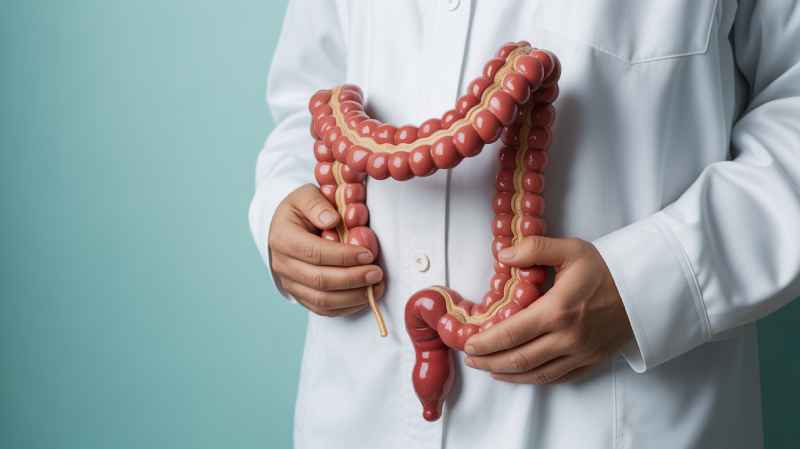
Pan proctocolectomy is one of the most extensive operations performed in colorectal surgery, and it is usually recommended only when disease is widespread, severe, or carries a high risk to life. For patients facing this procedure, the name alone can feel overwhelming. Understanding what pan proctocolectomy involves, why it is done, and how life changes afterwards can make a significant difference to decision-making and emotional readiness.
What Is Pan Proctocolectomy?
Pan proctocolectomy is a surgical procedure in which the entire large intestine, rectum, and anus are removed. Because the anus is removed, it is not possible for stool to pass naturally from the body after surgery. Instead, the surgeon creates a permanent ileostomy, bringing the end of the small intestine (the ileum) through the abdominal wall to allow waste to exit into a stoma bag.
The word “pan” means “all”, while “procto” refers to the rectum and “colectomy” means removal of the colon. Together, the term describes the complete removal of the large bowel and its outlet.
This operation is different from other colorectal surgeries where parts of the bowel are preserved or reconstructed. Pan proctocolectomy is considered a definitive solution for certain conditions because it removes all diseased tissue at once.
Conditions That May Require Pan Proctocolectomy
Pan proctocolectomy is not a first-line treatment. It is usually considered when medical therapy has failed or when the risk of cancer or complications is high.
Ulcerative Colitis
One of the most common reasons for pan proctocolectomy is severe ulcerative colitis affecting the entire colon and rectum. When symptoms remain uncontrolled despite medication, or when complications such as bleeding, perforation, or cancer risk arise, surgery may become necessary.
In ulcerative colitis, pan proctocolectomy removes all inflamed tissue and permanently cures the disease, as ulcerative colitis only affects the large intestine.
Crohn’s Disease
In some cases of Crohn’s disease where the colon and rectum are extensively involved and badly damaged, pan proctocolectomy may be recommended. This is less common than in ulcerative colitis because Crohn’s disease can affect other parts of the digestive tract.
Familial Adenomatous Polyposis
Familial adenomatous polyposis is a genetic condition that causes hundreds or thousands of polyps to develop in the colon and rectum. Without surgery, the risk of colorectal cancer is extremely high. Pan proctocolectomy removes the at-risk tissue completely and is often advised in advanced cases.
Colorectal Cancer
Pan proctocolectomy may be required when cancer involves multiple areas of the colon and rectum, or when there are widespread precancerous changes. It may also be performed if cancer occurs in the context of inflammatory bowel disease.
How Pan Proctocolectomy Is Performed
Pan proctocolectomy is a major operation carried out under general anaesthetic. The approach depends on the patient’s condition, anatomy, and the surgeon’s expertise.
Surgical Approaches
The operation can be performed using open surgery, laparoscopic surgery, or a combination of both.
Open surgery involves a larger incision in the abdomen and is sometimes necessary in complex or emergency cases. Laparoscopic surgery uses smaller incisions and specialised instruments, which can reduce pain and speed up recovery in suitable patients.
Removal of the Colon, Rectum, and Anus
During pan proctocolectomy, the surgeon carefully removes the entire colon and rectum. The anus and surrounding tissue are also removed, which leaves a closed wound in the perineal area that must heal over time.
Blood vessels supplying the bowel are tied off, and surrounding lymph nodes may be removed, particularly if cancer is present or suspected.
Creation of a Permanent Ileostomy
After removing the large bowel, the surgeon brings the end of the small intestine through an opening in the abdominal wall to create a stoma. This stoma allows waste to pass into an external pouch.
Because the anus is removed, this ileostomy is permanent. Patients will need to learn how to care for the stoma as part of their recovery.
Preparing for Pan Proctocolectomy
Preparation plays a vital role in recovery and long-term outcomes.
Before surgery, patients usually undergo blood tests, imaging studies, and consultations with the surgical and anaesthetic teams. A stoma nurse often meets with the patient beforehand to explain stoma care and mark the best position for the stoma on the abdomen.
Patients may be advised to adjust medications, stop smoking, and improve nutrition in the weeks leading up to surgery. Mental preparation is equally important, as adjusting to life with a permanent stoma can take time.
Recovery After Surgery
Recovery from pan proctocolectomy occurs in stages and varies from person to person.
Hospital Recovery
Most patients stay in hospital for several days to a couple of weeks, depending on how quickly they recover and whether complications arise. Pain management, early mobilisation, and careful monitoring are key priorities during this period.
The bowel may take time to “wake up”, and patients usually start with fluids before gradually returning to solid food. Stoma nurses provide hands-on training in caring for the ileostomy.
Wound Healing
In addition to the abdominal incision, there is a perineal wound where the anus was removed. This area can take longer to heal and may feel uncomfortable when sitting initially. Proper wound care and patience are essential.
Returning Home
Once discharged, patients continue recovering at home. Fatigue is common, and it may take several weeks or months to regain full strength. Follow-up appointments help monitor healing and address any concerns.
Life After Pan Proctocolectomy
Living after pan proctocolectomy involves adjustment, but many people go on to live full, active lives.
Living With a Permanent Ileostomy
An ileostomy changes how waste leaves the body, but with proper education and support, most patients adapt well. Modern stoma appliances are discreet and reliable, allowing people to work, travel, and exercise.
Dietary adjustments may be needed at first, particularly to avoid dehydration or blockage. Over time, many people find they can enjoy a varied diet.
Quality of Life
For many patients, pan proctocolectomy significantly improves quality of life by removing chronic pain, bleeding, and unpredictable bowel symptoms. While the emotional adjustment can be challenging, especially in the early months, support from healthcare professionals and peer groups can be invaluable.
Long-Term Health Considerations
Because the colon plays a role in absorbing water and salts, people with an ileostomy must pay attention to hydration. Regular follow-up ensures nutritional needs are met and any stoma-related issues are addressed early.
Risks and Possible Complications
As with any major surgery, pan proctocolectomy carries risks.
General surgical risks include bleeding, infection, blood clots, and reactions to anaesthesia. Specific complications may include wound healing problems, bowel obstruction, stoma issues, and nerve damage affecting bladder or sexual function.
It is important to discuss these risks thoroughly with the surgical team and understand how they are managed.
Emotional and Psychological Impact
The psychological impact of pan proctocolectomy should not be underestimated. Changes to body image, lifestyle, and daily routines can be difficult to process. Feelings of anxiety or low mood are not uncommon.
Counselling, patient education, and connecting with others who have undergone similar surgery can make a significant difference. Many patients report that acceptance grows with time and experience.
FAQs
Is pan proctocolectomy a cure for ulcerative colitis?
Yes, pan proctocolectomy completely removes the tissue affected by ulcerative colitis, meaning the disease cannot return in the colon or rectum.
Will I always need a stoma after pan proctocolectomy?
Yes, because the anus is removed during pan proctocolectomy, a permanent ileostomy is required.
How long does recovery from pan proctocolectomy take?
Initial recovery usually takes several weeks, but full recovery and adaptation to life with a stoma can take several months.
Can I live a normal life after pan proctocolectomy?
Many people return to work, exercise, travel, and social activities after recovery, with proper stoma care and support.
Is pan proctocolectomy only done for cancer?
No, pan proctocolectomy is also performed for severe inflammatory bowel disease and genetic conditions such as familial adenomatous polyposis.
Conclusion
Pan proctocolectomy is a life-changing but often life-saving operation for people with severe or high-risk colorectal disease. While the procedure is extensive and recovery requires patience, many patients experience lasting relief from symptoms and a renewed sense of control over their health.
Understanding the reasons for surgery, the recovery process, and the realities of living with a permanent ileostomy helps patients approach pan proctocolectomy with confidence and realistic expectations. With modern surgical techniques, specialist nursing care, and ongoing support, a fulfilling and active life after pan proctocolectomy is entirely achievable.