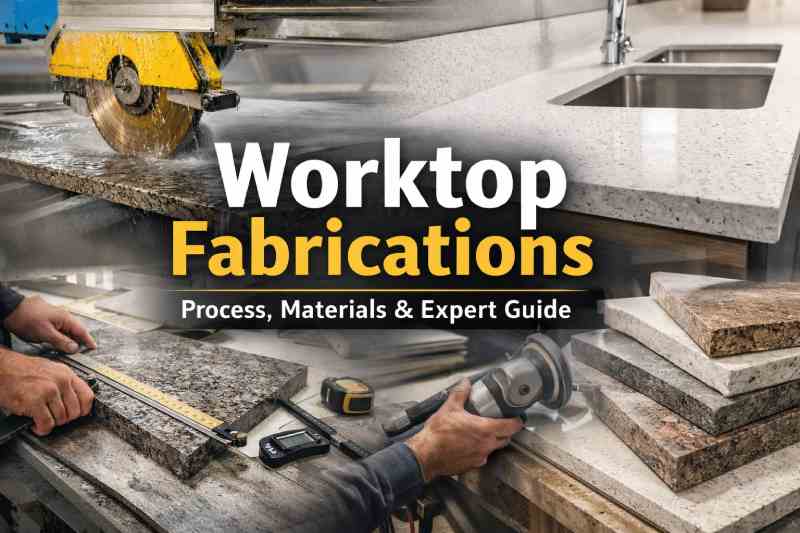
Worktop fabrications sit at the heart of modern interior design, blending craftsmanship, technology, and material science to create surfaces that are both practical and visually striking. Whether in kitchens, bathrooms, offices, or commercial environments, professionally fabricated worktops play a crucial role in how a space looks, feels, and performs over time.
Understanding Worktop Fabrications
At its core, worktop fabrications refer to the process of converting raw surface materials into finished, ready-to-install worktops tailored to specific dimensions and design requirements. Unlike mass-produced surfaces, fabricated worktops are custom-made to suit individual layouts, appliances, and aesthetic preferences.
Fabrication goes far beyond simple cutting. It involves precise measuring, shaping, edging, finishing, and quality control to ensure the final surface fits perfectly and performs reliably for years. This combination of precision and craftsmanship is what distinguishes professional worktop fabrications from off-the-shelf alternatives.
Why Worktop Fabrications Matter
Worktops are among the most heavily used surfaces in any building. In kitchens, they endure heat, moisture, sharp utensils, and daily wear. In bathrooms, they must cope with humidity and frequent cleaning. In commercial settings, they often face even higher levels of use.
High-quality worktop fabrications ensure:
- Accurate fitting with minimal joins and gaps
- Long-term durability under everyday use
- A refined finish that enhances the overall interior
- Compatibility with sinks, hobs, and appliances
- Improved value and longevity compared to cheaper alternatives
Poor fabrication can lead to cracks, uneven edges, weak joints, and premature failure. For this reason, fabrication quality is just as important as the material itself.
The Worktop Fabrication Process Explained
Initial Consultation and Design Planning
Every successful fabrication project begins with planning. Fabricators work closely with clients, designers, or contractors to understand the space, usage requirements, and design preferences. This stage includes discussions about materials, edge profiles, finishes, thickness, and practical considerations such as maintenance and budget.
Clear planning at this stage helps avoid costly mistakes later and ensures the finished worktop meets both functional and aesthetic expectations.
Accurate Measuring and Templating
Precision is essential in worktop fabrications. Professional fabricators use physical templates or advanced digital measuring tools to capture exact dimensions. This process accounts for walls that may not be perfectly straight, appliance positions, and any structural irregularities.
Accurate templating ensures the worktop fits seamlessly during installation, reducing the need for on-site adjustments.
Material Selection and Preparation
Once measurements are confirmed, the chosen material is prepared for cutting. Slabs or sheets are carefully inspected for consistency, colour variation, and structural integrity. For natural stone, fabricators often plan the layout to highlight veining and patterns in the most visually appealing way.
Material preparation is a key step in achieving a balanced and professional final appearance.
Cutting and Shaping
Modern worktop fabrications rely on specialised machinery such as CNC saws and precision cutting tools. These allow fabricators to cut materials accurately while maintaining clean edges and consistent thickness.
Cut-outs for sinks, taps, and hobs are made at this stage, requiring careful planning to avoid weakening the structure of the worktop.
Edge Profiling and Detailing
Edge profiles contribute significantly to the final look of a worktop. Options range from simple square edges to rounded, bevelled, or decorative profiles. The choice depends on the style of the space and practical considerations such as ease of cleaning and safety.
Skilled edge finishing is a hallmark of quality worktop fabrications, adding refinement and comfort to the finished surface.
Surface Finishing and Polishing
Finishing enhances both appearance and performance. Depending on the material, worktops may be polished, honed, matt-finished, or textured. Polishing improves shine and depth, while honed finishes offer a more subtle, contemporary look.
At this stage, surfaces are also inspected for imperfections and corrected where necessary.
Quality Control and Installation Preparation
Before delivery, fabricated worktops undergo thorough quality checks. Fabricators ensure dimensions are correct, finishes are consistent, and joints align properly. Once approved, the worktops are prepared for transport and installation.
Professional installation is the final step, ensuring the worktop is securely fitted, level, and sealed where required.
Popular Materials Used in Worktop Fabrications
Natural Stone Worktops
Natural stone remains a popular choice due to its unique appearance and long-term durability. Each slab has its own character, making every fabricated worktop one of a kind.
Key benefits include:
- Timeless appearance
- High heat resistance
- Strong, durable surface
Natural stone does require regular sealing and careful maintenance, which should be considered during planning.
Engineered Quartz Worktops
Engineered quartz is manufactured using natural stone particles combined with resins. This creates a consistent, non-porous surface that is both attractive and practical.
Advantages include:
- Uniform colour and pattern
- Low maintenance
- Excellent resistance to stains and moisture
Quartz has become a leading choice in modern worktop fabrications due to its reliability and wide design range.
Solid Surface Materials
Solid surface worktops offer seamless joints and flexibility in design. They are often used in contemporary kitchens and commercial spaces.
Notable features include:
- Smooth, joint-free appearance
- Repairable surface
- Hygienic properties
These materials suit minimalist designs where clean lines are essential.
Laminate Worktops
Laminate remains a cost-effective option for many projects. Advances in manufacturing have improved realism, allowing laminate to mimic stone and wood finishes.
Benefits include:
- Affordable pricing
- Wide range of designs
- Lightweight and easy installation
While not as durable as stone or quartz, laminate still plays a role in certain worktop fabrications.
Design Considerations in Worktop Fabrications
Functionality and Lifestyle
A worktop should suit how the space is used. A busy family kitchen may prioritise durability and low maintenance, while a feature kitchen may focus on visual impact.
Understanding lifestyle needs helps guide material choice, thickness, and finish.
Colour and Aesthetic Balance
Worktops influence the overall colour balance of a room. Light surfaces can make smaller spaces feel open, while darker tones add depth and contrast.
Fabricators often advise on how different materials interact with cabinetry, flooring, and lighting.
Thickness and Edge Style
Thickness affects both appearance and strength. Thicker worktops create a bold, premium feel, while slimmer profiles suit modern interiors.
Edge styles further define the design, subtly shaping the character of the space.
Joints and Seams
Well-executed joints are nearly invisible and structurally sound. Poor jointing, however, can detract from the look and durability of a worktop.
Professional worktop fabrications focus on joint placement and finishing to ensure a seamless result.
Residential and Commercial Applications
Worktop fabrications are used across a wide range of environments:
- Domestic kitchens and bathrooms
- Office kitchens and break areas
- Hotels and hospitality venues
- Retail counters and reception desks
- Healthcare and educational facilities
Each setting has different requirements, making tailored fabrication essential.
Sustainability and Responsible Fabrication
Sustainability has become an important consideration in modern worktop fabrications. Many fabricators now focus on responsible sourcing, waste reduction, and efficient manufacturing processes.
Engineered materials often incorporate recycled content, while precise cutting techniques reduce material waste. Choosing a reputable fabricator can support more sustainable building practices.
Choosing the Right Worktop Fabricator
Selecting the right fabricator is just as important as choosing the material. Experience, attention to detail, and transparent communication all contribute to a successful outcome.
A reliable fabricator will:
- Provide clear guidance and realistic expectations
- Use accurate measuring and modern equipment
- Offer consistent quality and aftercare advice
- Stand behind their workmanship
Investing in professional worktop fabrications helps ensure peace of mind and lasting results.
FAQs
What does worktop fabrication actually include?
Worktop fabrication includes measuring, cutting, shaping, finishing, and preparing worktops for installation, all customised to a specific space.
How long does the worktop fabrication process take?
The process typically takes one to three weeks, depending on material availability, design complexity, and finishing requirements.
Are fabricated worktops better than pre-cut ones?
Yes, fabricated worktops offer a more accurate fit, better finish quality, and greater design flexibility than pre-cut options.
Do all worktop materials require sealing?
Not all materials need sealing. Natural stone often does, while engineered quartz and solid surfaces are generally non-porous.
Can worktop fabrications be repaired if damaged?
Minor damage can often be repaired, especially with solid surface materials. Repair options depend on the material and extent of damage.
Conclusion
Worktop fabrications represent a blend of technical precision and thoughtful design. From the initial measurements to the final polished surface, every stage plays a role in creating worktops that are durable, functional, and visually appealing. By understanding the fabrication process, material options, and design considerations, homeowners and professionals alike can make informed decisions that enhance both everyday use and long-term value.
Choosing quality worktop fabrications is not just about appearance—it is an investment in craftsmanship, reliability, and the lasting performance of one of the most important surfaces in any space.