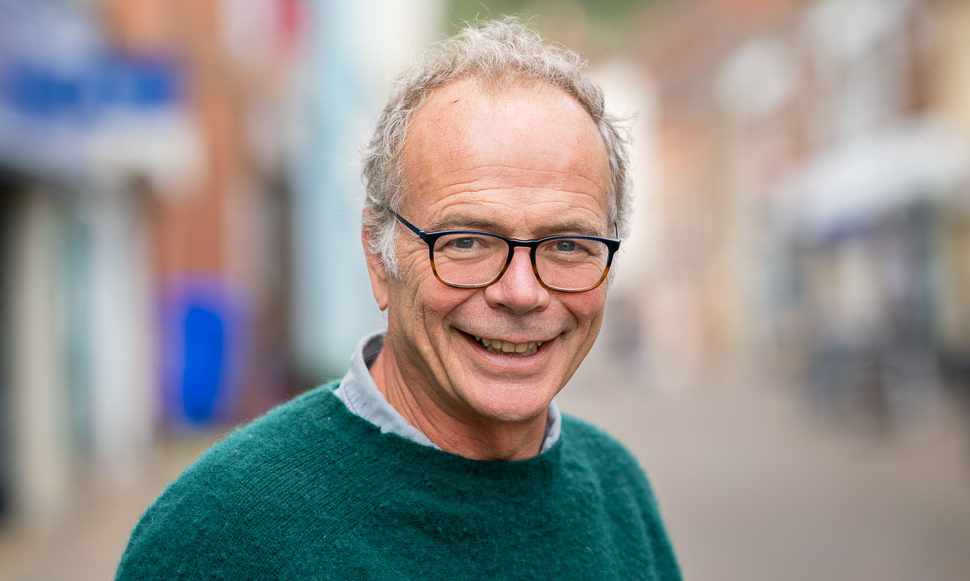
Simon Opher has emerged as one of the most compelling new voices in British public life, bringing together decades of frontline medical experience and a fresh political mandate in Westminster. Known first as a respected general practitioner and later as a Labour Member of Parliament, Simon Opher represents a rare combination in modern politics: a professional deeply rooted in community healthcare who has stepped directly into national leadership.
At a time when the United Kingdom faces mounting pressure on the National Health Service, rising public concern over social inequality, and growing demands for practical political reform, Simon Opher’s journey from surgery rooms to parliamentary chambers offers both relevance and hope. His career reflects a model of leadership shaped not by political theatre but by years of direct service to ordinary people.
Who Is Simon Opher?
Simon Opher is a British Labour politician and medical doctor who became Member of Parliament for Stroud following the 2024 general election. Before entering Parliament, he spent nearly three decades working as a GP in Gloucestershire, earning a reputation as a compassionate doctor committed to improving lives beyond traditional medicine.
Unlike many career politicians, Simon Opher came into national politics after building trust through local service. His entry into Parliament was not driven by partisan ambition alone, but by years of witnessing structural problems in healthcare, social care, and community wellbeing.
His distinctive strength lies in the fact that he understands public systems not only from policy documents but from lived professional experience.
Early Life and Educational Background
Simon Opher’s early life laid the foundation for his future commitment to service. Though he is now widely known for his public roles, his path began in medicine, where he developed an interest in healthcare as both a science and a social responsibility.
He trained as a doctor in the United Kingdom and chose general practice as his field, a decision that placed him in daily contact with families, elderly patients, and vulnerable individuals. This long-term exposure to community life shaped his understanding of how poverty, loneliness, housing, and mental health directly affect physical wellbeing.
His education gave him medical expertise, but his years in general practice gave him insight into society itself.
Simon Opher’s Distinguished Medical Career
Before politics, Simon Opher built an exceptional reputation in healthcare. As a GP serving Dursley and surrounding communities, he became known not only for clinical excellence but for innovative thinking.
Champion of Social Prescribing
One of Simon Opher’s most notable contributions to healthcare has been his leadership in social prescribing. This approach recognises that many health problems cannot be solved through medicine alone. Instead of relying exclusively on prescriptions, patients may benefit from:
- Community activities
- Exercise groups
- Art and music programmes
- Social clubs
- Nature-based therapies
Simon Opher became a leading advocate for this model, arguing that isolation, anxiety, and poor mental health often require human connection rather than pharmaceuticals.
His work in this area earned national recognition and helped influence wider NHS thinking on preventative healthcare.
Recognition and Honours
In acknowledgement of his services to medicine and community healthcare, Simon Opher was awarded an MBE. This honour reflected not only his medical competence but his broader contribution to reimagining patient care in Britain.
Such recognition elevated his profile beyond local practice and positioned him as a credible national voice on healthcare reform.
Why Simon Opher Entered Politics
For Simon Opher, politics was a natural extension of healthcare advocacy. After years of treating patients affected by systemic failures, he increasingly recognised that many problems originated in policy, not medicine.
As a GP, he encountered patients struggling because of:
- Underfunded health services
- Inadequate social care
- Housing insecurity
- Mental health service delays
- Rising living costs
These recurring patterns convinced him that real change required legislative power. Entering politics allowed Simon Opher to address causes rather than symptoms.
His decision to stand for Parliament represented a transition from healing individuals to attempting to heal systems.
Election as MP for Stroud
In the 2024 general election, Simon Opher won the Stroud constituency as Labour MP, marking a significant milestone in his public career.
His victory reflected several factors:
- Strong local recognition and trust built through medical service
- Labour’s wider electoral momentum
- Public appetite for candidates with real-world professional experience
Unlike politicians whose careers are shaped entirely within party structures, Simon Opher entered Parliament with an existing public identity grounded in community credibility.
For many voters, this made him both relatable and trustworthy.
Simon Opher’s Political Priorities
Since entering Parliament, Simon Opher has focused on areas closely aligned with his professional expertise and constituency concerns.
NHS Reform
Healthcare remains central to Simon Opher’s parliamentary agenda. He has consistently emphasised:
- Reducing waiting lists
- Strengthening GP services
- Expanding mental health support
- Improving staff retention in the NHS
His arguments carry unusual authority because they are informed by firsthand experience rather than abstract theory.
Mental Health Services
Simon Opher has spoken strongly about the urgent need to expand access to mental health care. He has highlighted the damaging effects of long waiting times and inadequate early intervention, especially among young people.
Tackling Poverty Through Health Policy
A defining feature of Simon Opher’s politics is his belief that poverty is inseparable from health outcomes. He frequently draws attention to the ways economic hardship worsens illness and shortens life expectancy.
Community-Based Prevention
Rather than focusing solely on crisis treatment, Simon Opher advocates prevention strategies rooted in local communities. This includes investment in youth services, exercise initiatives, social prescribing, and neighbourhood wellbeing programmes.
A Different Kind of Politician
Simon Opher stands apart in modern British politics because he represents a practical rather than performative model of leadership.
His style is marked by:
- Calm, evidence-based communication
- Low emphasis on ideological slogans
- Strong reliance on lived professional knowledge
- Clear focus on public service outcomes
This approach appeals to voters fatigued by partisan rhetoric and political spectacle.
In an era when distrust in politicians is widespread, Simon Opher’s grounded background offers authenticity that many constituents find refreshing.
Simon Opher’s Impact on National Debate
Though still early in his parliamentary career, Simon Opher is already shaping conversations around how Britain thinks about health.
His influence is especially visible in debates concerning:
- Preventative medicine
- Social determinants of health
- Community care investment
- GP workforce pressures
Because he bridges medicine and politics, Simon Opher helps connect policy discussions with real operational realities.
This makes his contributions particularly valuable in parliamentary committees and legislative scrutiny.
Challenges Facing Simon Opher
Despite his strengths, Simon Opher faces serious challenges as a new MP.
NHS Complexity
Reforming the NHS is notoriously difficult. Structural inefficiencies, funding limitations, staffing shortages, and political pressures create enormous obstacles.
Balancing Local and National Expectations
As MP for Stroud, Simon Opher must balance constituency priorities with national Labour responsibilities. Local voters expect visible results, while national politics often moves slowly.
Political Adaptation
Transitioning from medicine to Parliament requires mastering legislative procedures, negotiation dynamics, and party structures. Even highly skilled professionals face steep learning curves in Westminster.
Public Perception and Growing Popularity
Simon Opher’s public reputation continues to strengthen because he is widely seen as sincere, informed, and service-driven.
Supporters admire him for:
- Speaking from real experience
- Avoiding empty political language
- Prioritising substance over self-promotion
- Remaining connected to community realities
His credibility is especially high among voters concerned about healthcare, ageing populations, and social inequality.
Simon Opher and the Future of Labour Politics
Simon Opher may represent a broader trend within Labour: the rise of professionals entering politics from frontline careers.
This matters because parties increasingly need candidates who bring practical expertise into government. In Simon Opher’s case, that expertise is urgently relevant in a country where healthcare dominates public concern.
If Labour seeks to rebuild trust through competence and realism, figures like Simon Opher may become central to its future identity.
What Makes Simon Opher Significant in British Politics?
Simon Opher’s significance lies not merely in being a doctor-turned-politician, but in embodying a different model of representation.
He brings:
- Clinical insight into policy debates
- Direct experience of public hardship
- A preventative vision for health reform
- Credibility grounded in decades of service
This combination gives him unusual potential influence in shaping Britain’s healthcare future.
FAQs
Why is Simon Opher well known in the UK?
Simon Opher is well known because of his long career as a GP, his pioneering work in social prescribing, and his election as Labour MP for Stroud in 2024.
What healthcare issues does Simon Opher focus on most?
Simon Opher focuses strongly on NHS reform, mental health access, preventative care, and addressing the social causes of poor health.
What makes Simon Opher different from traditional politicians?
Simon Opher differs from many politicians because he entered Parliament after decades of frontline medical service rather than through a conventional political career path.
Conclusion
Simon Opher represents a compelling and increasingly important voice in British public life. His journey from trusted local doctor to national legislator reflects a rare blend of compassion, expertise, and practical leadership. At a moment when Britain urgently needs credible reformers in healthcare and politics alike, Simon Opher brings grounded experience that few parliamentarians can match.
Whether shaping NHS policy, advocating for mental health reform, or championing preventative care, Simon Opher’s work is likely to have lasting significance. His career suggests that effective politics begins not with slogans, but with genuine understanding of people’s lives—and that may be exactly what Britain needs most.