Sharron Davies: The Remarkable Journey of Britain’s Olympic Swimmer, Broadcaster, and Public Voice

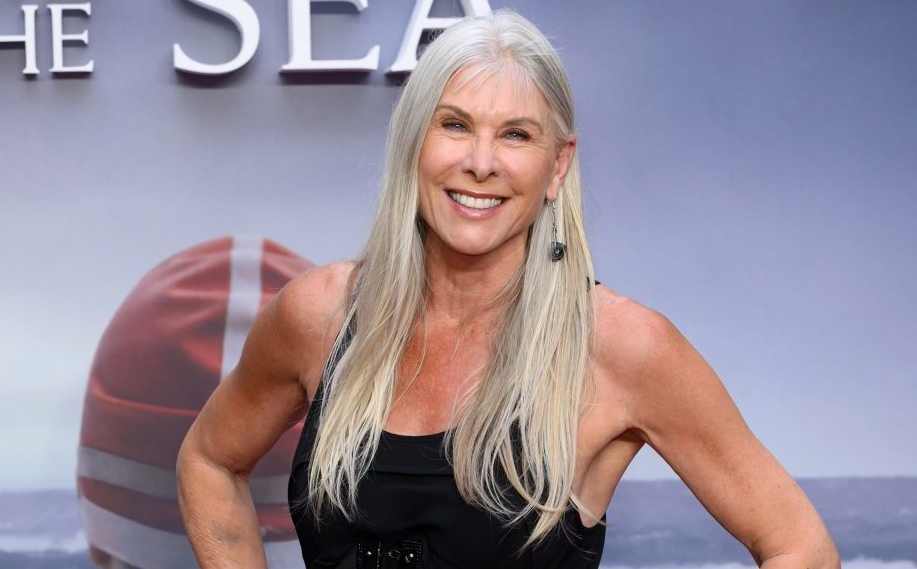
Sharron Davies stands as one of Britain’s most recognisable sporting figures, a woman whose journey spans elite athletics, media prominence, and public debate. From her early days as a teenage swimming prodigy to her later role as a respected broadcaster and commentator, Sharron Davies has carved out a unique and enduring place in British culture. Her story is not simply one of medals and milestones; it is a narrative of resilience, adaptability, and a willingness to speak openly on issues that matter.
Early Life and Background
Sharron Davies was born on 1 November 1962 in Plymouth, Devon, a coastal city with a strong maritime tradition. Growing up near the sea naturally influenced her affinity for water, but her entry into competitive swimming was driven more by family encouragement and her own natural athleticism than geography alone.
From a young age, Davies displayed exceptional physical capability. She was energetic, disciplined, and competitive—qualities that would soon set her apart. Her parents recognised her potential early and supported her ambitions, enrolling her in structured training programmes that demanded both commitment and sacrifice.
Unlike many children her age, Davies’ routine quickly became dominated by early mornings, long training sessions, and strict discipline. This environment, while demanding, helped shape the mental toughness that would define her career.
Rise to Prominence in Competitive Swimming
By the time she reached her early teens, Sharron Davies was already making waves in British swimming circles. Her rapid progression through junior competitions highlighted not only her natural ability but also her work ethic and determination.
Her breakthrough came when she qualified for the Olympic Games at just 13 years old. Representing Great Britain at the 1976 Olympics was an extraordinary achievement, especially given her age. While she did not win a medal at that event, her participation alone marked her as a rising star in international swimming.
The late 1970s and early 1980s saw Davies evolve into one of Britain’s top swimmers. She specialised in the individual medley, a demanding event that requires excellence across multiple strokes. Her versatility and stamina made her a formidable competitor on the world stage.
Olympic Glory and Challenges
The defining moment of Sharron Davies’ athletic career came at the 1980 Moscow Olympics. Competing against some of the best swimmers in the world, she secured a silver medal in the 400m individual medley.
This achievement cemented her status as one of Britain’s elite athletes. However, the context of the 1980 Olympics added complexity to her success. The Games were overshadowed by political tensions, including a boycott led by several countries. Despite this, Davies’ performance stood out as a moment of personal triumph.
It is also worth noting that the era in which Davies competed was later marked by revelations about widespread doping among some athletes, particularly from Eastern Bloc nations. Many have speculated that, under different circumstances, Davies might have achieved even greater success, including a potential gold medal.
Commonwealth and European Success
Beyond the Olympics, Sharron Davies enjoyed considerable success at the Commonwealth Games and European Championships. She won multiple medals, including gold, demonstrating her consistency and dominance across competitions.
Her performances at these events showcased her ability to compete at the highest level over an extended period. Unlike athletes who peak briefly, Davies maintained her competitiveness for many years, a testament to her dedication and professionalism.
Her achievements contributed significantly to Britain’s reputation in international swimming and inspired a generation of young athletes to pursue the sport.
Longevity and Dedication in Sport
One of the most remarkable aspects of Sharron Davies’ career is its longevity. Competing at an elite level for over two decades is no small feat, particularly in a physically demanding sport like swimming.
Her ability to sustain performance over such a long period required not only physical endurance but also mental resilience. Injuries, setbacks, and the natural challenges of ageing in sport all tested her resolve. Yet Davies continued to compete, adapting her training and approach as needed.
This longevity also allowed her to witness and adapt to changes in the sport, including evolving training techniques, technological advancements, and shifting competitive landscapes.
Transition to Broadcasting
After retiring from competitive swimming, Sharron Davies successfully transitioned into a new career in broadcasting. This move is often challenging for athletes, but Davies navigated it with confidence and skill.
She became a familiar face on British television, particularly through her work with the BBC. As a sports presenter and commentator, she brought credibility, insight, and authenticity to her role.
Her firsthand experience as an elite athlete allowed her to offer nuanced analysis that resonated with audiences. Whether covering swimming events or broader sporting competitions, Davies demonstrated a natural ability to communicate effectively.
Her media career also included appearances on entertainment programmes, further broadening her public profile and showcasing her versatility.
Media Presence and Public Recognition
Sharron Davies’ presence in the media extended beyond sports broadcasting. She became a recognised public figure, known not only for her achievements but also for her personality and opinions.
Her participation in television programmes such as reality and entertainment shows helped her connect with a wider audience. This exposure ensured that she remained relevant even after her sporting career had ended.
Her ability to adapt to different media formats highlights her versatility and willingness to embrace new challenges.
Advocacy and Public Debate
In recent years, Sharron Davies has become known for her outspoken views on issues related to sport, fairness, and women’s rights. She has used her platform to engage in public debates, often addressing complex and sensitive topics.
Her willingness to speak openly has earned her both support and criticism. However, it has also reinforced her reputation as someone who is not afraid to stand by her beliefs.
This phase of her life reflects a broader trend among former athletes who leverage their visibility to influence discussions beyond sport.
Personal Life and Relationships
Sharron Davies’ personal life has also attracted public interest over the years. She has experienced both highs and challenges, including marriages and family life.
She was previously married to Derek Redmond, an athlete known for his memorable moment at the 1992 Olympics. Their relationship brought together two prominent figures in British sport.
Davies is also a mother of three children, and she has often spoken about balancing family life with her professional commitments. Her experiences reflect the realities faced by many working parents, adding another dimension to her public persona.
Influence on British Swimming
Sharron Davies’ impact on British swimming extends far beyond her medals. She played a key role in raising the profile of the sport in the UK, particularly during a period when swimming was not as widely celebrated as it is today.
Her success helped inspire future generations of swimmers, contributing to a legacy that continues to influence the sport. Many young athletes have cited her as a source of inspiration, highlighting her importance as a role model.
Her involvement in swimming-related initiatives and commentary has also helped maintain public interest in the sport.
Recognition and Honours
Over the years, Sharron Davies has received various forms of recognition for her contributions to sport and media. These honours reflect not only her achievements but also her lasting impact.
Her role as a public figure has also led to opportunities to engage with institutions and organisations, further extending her influence.
In 2026, her appointment to the House of Lords marked a significant milestone in her career. This role signifies her transition into a new phase of public service, where she can contribute to national discussions and policymaking.
Challenges and Controversies
Like many public figures, Sharron Davies has faced controversies and criticism. Her outspoken nature has sometimes placed her at the centre of public debate.
These challenges, however, have also highlighted her resilience. Rather than retreating from the spotlight, Davies has continued to engage with issues she believes are important.
This willingness to confront difficult topics reflects her strong sense of conviction and independence.
Legacy and Cultural Impact
Sharron Davies’ legacy is multifaceted. As an athlete, she is remembered for her achievements and dedication. As a broadcaster, she is respected for her insight and professionalism. As a public figure, she is recognised for her willingness to engage in meaningful discussions.
Her influence extends beyond sport, touching on broader cultural and social issues. This versatility has ensured her continued relevance in a rapidly changing world.
Her story also serves as an example of how athletes can successfully transition into new careers while maintaining their identity and impact.
Lessons from Sharron Davies’ Life
There are several key lessons to be drawn from Sharron Davies’ journey:
First, the importance of discipline and hard work. Her early success was not accidental but the result of years of dedication.
Second, the value of adaptability. Her transition from sport to broadcasting demonstrates the importance of embracing change.
Third, the courage to speak openly. Her willingness to engage in public debate highlights the role of individuals in shaping discussions.
These lessons make her story relevant not only to athletes but to anyone seeking to navigate challenges and opportunities in life.
FAQs
1. What is Sharron Davies best known for?
She is best known as an Olympic swimmer who won a silver medal and later became a television presenter and public figure.
2. How old was Sharron Davies when she first competed in the Olympics?
She was just 13 years old when she competed in her first Olympic Games.
3. Did Sharron Davies win an Olympic gold medal?
No, she won a silver medal at the 1980 Moscow Olympics.
4. What did Sharron Davies do after retiring from swimming?
She became a sports presenter and commentator, mainly working with the BBC.
5. Is Sharron Davies involved in politics?
Yes, she became a member of the House of Lords in 2026.
Conclusion
Sharron Davies represents far more than an accomplished swimmer. Her life is a testament to perseverance, adaptability, and the enduring power of determination. From a teenage prodigy representing her country on the world stage to a respected broadcaster and influential public voice, she has continually evolved while staying true to her principles.
Her journey offers inspiration across multiple domains—sport, media, and public life. Whether remembered for her Olympic achievements, her insightful commentary, or her contributions to public debate, Sharron Davies remains a significant figure in British history.