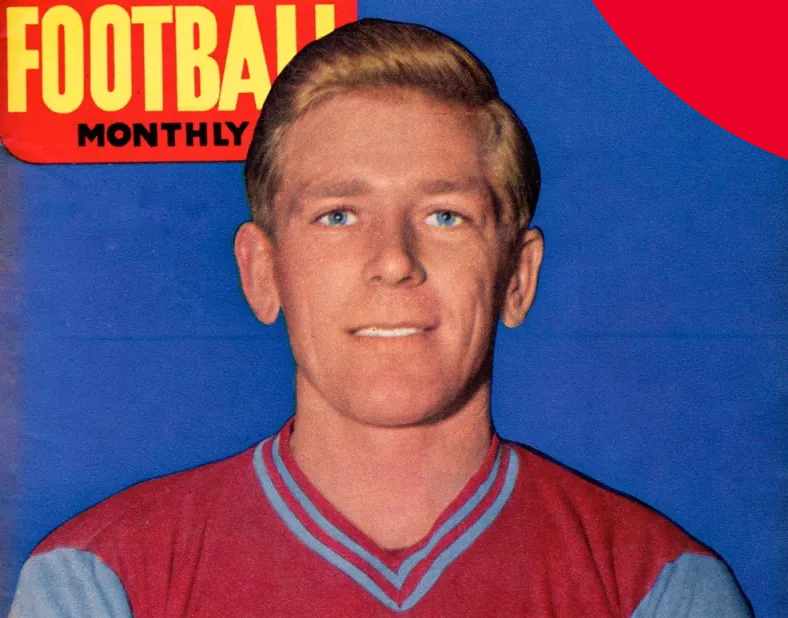
In the rich tapestry of English football history, many names have been immortalised for their brilliance, charisma, and achievements. Yet, some players, despite possessing exceptional talent and carving out remarkable careers, remain underappreciated. Gerry Hitchens is one such figure. A prolific centre-forward with strength, intelligence, and a keen eye for goal, he stands as one of the earliest English footballers to truly succeed abroad—particularly in Italy, a league known for its tactical discipline and defensive excellence.
From humble beginnings in Staffordshire to becoming a respected striker in Serie A, Hitchens’ journey is both inspiring and historically significant. His story is not just about goals and appearances; it is about breaking barriers, adapting to new cultures, and proving that English footballers could thrive beyond their domestic leagues.
Early Life and Background
Gerald Archibald Hitchens was born on 8 October 1934 in Rawnsley, a small mining village in Staffordshire, England. Growing up in a working-class environment, he experienced the realities of life in post-war Britain. Like many young men of his generation, Hitchens initially worked in the coal mines, a physically demanding occupation that shaped his resilience and toughness.
Football was an escape as well as a passion. He played at a local level, representing amateur teams such as Highley Miners Welfare. It was here that his natural talent began to shine. Even in these early stages, Hitchens demonstrated qualities that would later define his professional career—strength in duels, an ability to read the game, and a natural instinct for scoring goals.
His journey into professional football was not immediate, but his persistence eventually paid off. Scouts began to take notice, and his performances at amateur level paved the way for a move into the professional ranks.
Breaking Into Professional Football
Hitchens began his professional career with Kidderminster Harriers, where he continued to develop his game. Although the club was not among the top tiers of English football, it provided him with an essential platform to showcase his abilities.
His performances did not go unnoticed, and soon he secured a move to Cardiff City in 1955. This marked a turning point in his career, as he stepped into the competitive environment of the Football League.
Cardiff City: Establishing Himself
At Cardiff City, Gerry Hitchens quickly established himself as a dependable and effective striker. Playing in the Second Division, he demonstrated consistency in front of goal, scoring 40 goals in 95 appearances. This impressive return highlighted his growing maturity and understanding of the game.
Hitchens was not known for elaborate flair or extravagant skill. Instead, his strengths lay in his positioning, physical presence, and finishing ability. He had a natural sense of where the ball would fall in the penalty area, and he used his strength to outmuscle defenders.
His performances at Cardiff City caught the attention of bigger clubs, and it was only a matter of time before he moved to a higher level of competition.
Aston Villa: Reaching the Top in England
In 1957, Hitchens joined Aston Villa, a club with a rich history and strong ambitions. This move represented a significant step forward in his career, as he now had the opportunity to prove himself at the highest level of English football.
During his time at Villa, Hitchens developed into a top-class striker. Over four seasons, he scored 78 goals in 132 appearances, an outstanding record that placed him among the most effective forwards in the league.
One of his key contributions was helping Aston Villa secure promotion back to the First Division by winning the Second Division title in the 1959–60 season. His goals played a crucial role in that success, and he became a fan favourite for his work ethic and consistency.
At Aston Villa, Hitchens refined his game further. He became more tactically aware and improved his movement off the ball. His performances did not go unnoticed beyond England, and soon an opportunity arose that would define his career.
The Bold Move to Italy
In 1961, Gerry Hitchens made a move that was highly unusual for an English footballer at the time—he transferred to Inter Milan in Italy. During that era, English players rarely played abroad, and Serie A was considered one of the most tactically demanding leagues in the world.
This decision required courage and adaptability. Hitchens had to adjust not only to a new style of football but also to a different culture, language, and lifestyle. However, he embraced the challenge and quickly proved his worth.
Inter Milan: A New Chapter
At Inter Milan, Hitchens entered a team that was on the verge of becoming one of Europe’s most dominant sides under the management of Helenio Herrera. Although his time at the club was relatively short, he made a significant impact.
He scored 17 goals in 39 appearances, demonstrating that his goal-scoring abilities could translate to a more defensive and tactical league. His physical presence and direct style provided Inter with a different attacking option.
While he did not remain at Inter for long, his contributions were valuable during a period of transition for the club. More importantly, his success in Italy helped change perceptions about English players abroad.
Torino: Consistency and Leadership
After leaving Inter Milan, Hitchens joined Torino, where he enjoyed one of the most stable and productive periods of his career. Over three seasons, he became a key figure in the team, scoring regularly and providing leadership on the pitch.
At Torino, Hitchens demonstrated his ability to adapt fully to Italian football. He improved his tactical understanding and became more versatile in his play. His experience in England, combined with his growing knowledge of Serie A, made him a complete forward.
He was respected not only for his performances but also for his professionalism and dedication. In a league dominated by defensive systems, maintaining a consistent goal-scoring record was a testament to his quality.
Later Years in Italy
Hitchens continued his career in Italy with clubs such as Atalanta and Cagliari. Although he was no longer at the peak of his powers, he remained an effective striker and a valuable member of the squad.
His time in Italy overall was highly successful. He played more than 200 matches in Serie A, a remarkable achievement for an English player of his era. His performances helped pave the way for future generations of British footballers to consider playing abroad.
International Career with England
Gerry Hitchens also represented England at the international level, earning seven caps and scoring five goals. Although his international career was relatively short, his goal-scoring ratio was impressive.
He was part of the England squad for the 1962 FIFA World Cup in Chile, where he played an important role. One of his most notable moments came when he scored against Brazil in the quarter-finals, showcasing his ability to perform on the biggest stage.
However, his move to Italy may have limited his opportunities with the national team, as playing abroad was not always viewed favourably by selectors at the time.
Playing Style and Strengths
Gerry Hitchens was a classic centre-forward, known for his physicality, aerial ability, and finishing. He was particularly effective in the penalty area, where his positioning and timing allowed him to convert chances with efficiency.
His strengths included:
- Strong physical presence that made him difficult to defend against
- Excellent heading ability, making him a threat from crosses
- Intelligent movement off the ball
- Consistent finishing with both feet
- High work rate and determination
He was not a flamboyant player, but his effectiveness lay in his simplicity and reliability. Managers valued him for his ability to deliver results without unnecessary complications.
Challenges and Adaptability
One of the most impressive aspects of Hitchens’ career was his adaptability. Moving from England to Italy required significant adjustments, both on and off the pitch.
Italian football was more tactical and defensive compared to the English game, which was often faster and more direct. Hitchens had to refine his approach, improve his positional awareness, and learn to operate within structured systems.
Off the pitch, he faced cultural and linguistic challenges. Despite these obstacles, he integrated successfully and earned respect in a foreign league—a testament to his character and professionalism.
Life After Football
After retiring from professional football, Hitchens stepped away from the spotlight. Unlike many modern players, he did not remain heavily involved in media or coaching roles.
Tragically, his life was cut short in 1983 when he passed away at the age of 48. His death occurred during a charity football match, adding a poignant chapter to his story. It was a reminder of his enduring connection to the game he loved.
Legacy and Historical Importance
Gerry Hitchens’ legacy extends beyond his goal-scoring record. He is remembered as a pioneer—one of the first English players to succeed in Italy. At a time when such moves were rare, he demonstrated that English footballers could adapt and thrive in different environments.
His career helped open doors for future players who would later follow similar paths. Today, it is common to see English footballers playing across Europe, but during Hitchens’ era, this was far from the norm.
Despite his achievements, he remains relatively unknown compared to other players of his time. This may be due to his quiet personality, the era in which he played, or the lack of extensive media coverage. Nevertheless, those who study football history recognise his contributions.
Statistical Overview
Throughout his career, Hitchens maintained an impressive goal-scoring record. His consistency across different leagues highlights his quality as a striker.
Key career statistics include:
- Over 450 club appearances
- More than 180 career goals
- Seven international caps for England
- Five goals for the national team
These numbers reflect a player who delivered consistently at both domestic and international levels.
Why Gerry Hitchens Deserves More Recognition
In modern football discussions, players are often judged by trophies, media presence, and global recognition. However, true impact can also be measured by influence and legacy.
Gerry Hitchens deserves greater recognition because:
- He succeeded in one of the toughest leagues in the world during a challenging era
- He maintained consistent performance across multiple clubs and countries
- He helped break cultural barriers for English players abroad
- He demonstrated professionalism and adaptability throughout his career
His story serves as an example of how talent, determination, and courage can lead to success, even in unfamiliar environments.
Conclusion
Gerry Hitchens represents a unique chapter in football history—a player who quietly achieved remarkable success without seeking the spotlight. From his early days in the coal mines of Staffordshire to his accomplishments in England and Italy, his journey is one of resilience, ambition, and excellence.
He may not be as widely celebrated as some of his contemporaries, but his contributions to the game are undeniable. As one of the first English players to make a lasting impact in Serie A, he helped redefine what was possible for footballers of his generation.