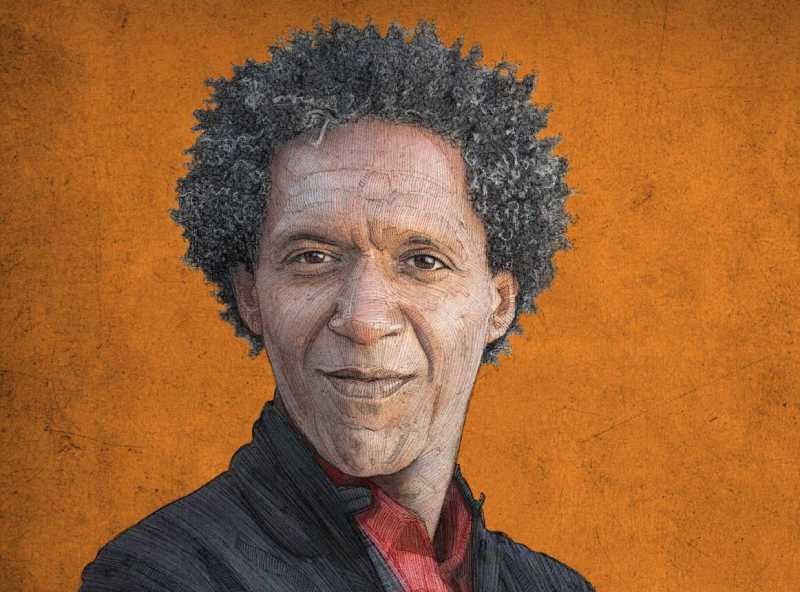
Lemn Sissay is one of Britain’s most respected poets, authors, and public speakers. His life story is powerful not only because of his literary success but also because of the painful and complicated childhood that shaped him. Born in Lancashire in 1967, Lemn entered the world during a difficult period for his Ethiopian family. His mother, Yemarshet Sissay, had moved to the United Kingdom from Ethiopia to continue her studies and build a better future.
At the time of Lemn’s birth, Yemarshet Sissay faced enormous challenges. She was a young Ethiopian woman living far from home without a strong support system around her. Because of those circumstances, social services became involved shortly after Lemn was born. He was eventually placed into foster care, a decision that would deeply affect the course of his life. Even though his mother never intended to abandon him, the separation created emotional wounds that Lemn would later explore through poetry and memoirs.
Lemn’s biological father, Giddey Estifanos, was an Ethiopian Airlines pilot. Tragically, he died in an air crash while Lemn was still very young. This loss added another painful chapter to the family’s history. Throughout his later career, Lemn often spoke about identity, belonging, and the emotional impact of growing up disconnected from his roots. Those experiences became central themes in his writing and public speeches.
Growing Up with Mr. and Mrs. Greenwood
After entering foster care, Lemn was raised by Mr. and Mrs. Greenwood, a Christian foster family in Lancashire. During his childhood, he was renamed “Norman Greenwood” and spent many years believing that this was his real identity. For a young child, losing connection to his original name and heritage created confusion that would remain with him for years.
At first, life with the Greenwood family seemed relatively stable. They provided him with housing, schooling, and a structured environment. Lemn has acknowledged in interviews that his foster parents were not entirely cruel people. However, he has also openly discussed the emotional difficulties he faced in the household. The expectations placed on him often made him feel isolated and misunderstood, especially as he grew older.
When Lemn reached his teenage years, the situation changed dramatically. He was suddenly removed from the foster home and placed into children’s homes. The experience was devastating because he had spent years believing the Greenwoods were his permanent family. Being separated again created feelings of rejection and instability. These emotional struggles later became some of the most moving elements of his poetry and autobiographical work.
Rediscovering His Identity
One of the most emotional chapters in Lemn Sissay’s life was rediscovering his true identity. After leaving the care system, he eventually learned that his original name was not Norman Greenwood but Lemn Sissay. This revelation completely changed how he saw himself and his past. Reclaiming his real name became a powerful act of personal healing.
The journey toward understanding his family history was not easy. For years, Lemn searched for information about his Ethiopian roots and his birth family. He later reunited with Yemarshet Sissay as an adult, an emotional meeting that helped him reconnect with his heritage and understand the circumstances surrounding his childhood separation.
Learning about his father, Giddey Estifanos, also gave Lemn a stronger sense of identity. Knowing that his father had been a respected Ethiopian Airlines pilot brought pride and emotional connection to a side of the family he had never truly known. These discoveries deeply influenced his later work, especially his memoirs and public talks about belonging and self-worth.
How Poetry Changed Lemn Sissay’s Life
Poetry became the outlet that transformed Lemn Sissay’s pain into creativity. As a young man, he discovered that writing allowed him to express emotions he had carried for years. His poetry stood out because it combined honesty, rhythm, storytelling, and powerful emotional depth. Readers connected with his work because it felt authentic and deeply human.
Lemn quickly gained recognition in Britain’s spoken-word and literary communities. His performances were energetic, emotional, and unforgettable. Unlike traditional poets who focused mainly on books and academia, Lemn brought poetry directly to audiences through live readings, television appearances, radio broadcasts, and festivals. His ability to connect emotionally with listeners made him one of the UK’s most admired public poets.
Over time, his writing expanded into plays, essays, documentaries, and memoirs. His acclaimed memoir My Name Is Why explored the failures of the British care system and the emotional impact of losing one’s identity. The book received widespread praise because it offered both a deeply personal story and a broader social commentary on how vulnerable children are treated.
The Influence of Yemarshet Sissay on His Story
Although Lemn Sissay spent much of his childhood separated from his biological family, Yemarshet Sissay remained an important figure in his life story. As Lemn grew older and learned more about her struggles, he began to understand that the separation had been influenced by difficult social and financial circumstances rather than a lack of love.
This understanding changed the way he viewed his childhood. Instead of seeing himself only as abandoned, he began to recognize the larger systems and pressures that affected immigrant families during that period. Yemarshet Sissay’s story became part of a wider conversation about race, migration, motherhood, and social services in Britain.
Lemn has often spoken with empathy and compassion when discussing his mother. Their reunion helped him heal emotionally and gave him a deeper understanding of his Ethiopian identity. That connection to family and heritage later became an important source of pride and emotional strength in his life.
Public Recognition and Major Achievements
Over the years, Lemn Sissay became much more than a poet. He developed into an important public intellectual and advocate for children in care. His speeches about identity, equality, and mental health have inspired audiences across the world. Many people admire him because he speaks honestly about pain while also promoting hope and resilience.
One of his most prestigious roles was serving as Chancellor of The University of Manchester from 2015 to 2022. In this position, he became a voice for students, diversity, and social inclusion. His presence at the university symbolized the importance of opportunity and education for people from all backgrounds.
Lemn has also received numerous awards and honors for his contributions to literature and society. He was awarded an OBE for services to literature and charity. In addition, his work as a broadcaster and campaigner has helped raise awareness about the experiences of children growing up in foster care and institutional systems.
Why Lemn Sissay’s Story Continues to Inspire People
What makes Lemn Sissay’s story so inspiring is not simply his success but the way he transformed hardship into purpose. Many people who experience instability during childhood struggle with identity and self-worth throughout adulthood. Lemn openly discusses those struggles while showing that healing and growth are possible.
His life also highlights the importance of names, heritage, and family connections. Losing his identity as a child had a profound emotional impact, but reclaiming his name and reconnecting with his Ethiopian roots gave him strength and direction. That journey resonates with readers from many different cultural and personal backgrounds.
Today, Lemn Sissay is admired around the world for both his literary achievements and his honesty. Whether discussing Yemarshet Sissay, Giddey Estifanos, or Mr. and Mrs. Greenwood, he approaches his story with emotional depth and reflection. His work continues to encourage conversations about family, race, foster care, and human resilience.
FAQs
1. Who is Lemn Sissay?
Lemn Sissay is a British poet, author, and public speaker known for his work on identity and foster care experiences.
2. Who is Yemarshet Sissay?
Yemarshet Sissay is the Ethiopian mother of Lemn Sissay who later reunited with him as an adult.
3. What happened to Giddey Estifanos?
Giddey Estifanos, Lemn Sissay’s father, was an Ethiopian Airlines pilot who died in a plane crash.
4. Why was Lemn Sissay placed in foster care?
He was placed into foster care shortly after birth due to difficult social and personal circumstances affecting his mother.
5. What is Lemn Sissay famous for?
He is famous for his poetry, memoir My Name Is Why, and advocacy for children in care systems.
Conclusion
Lemn Sissay has built an extraordinary career from experiences that could easily have broken his spirit. From his early separation from Yemarshet Sissay to his years with Mr. and Mrs. Greenwood and the later rediscovery of his Ethiopian roots, every chapter of his life shaped the writer and speaker he became.
His story is ultimately about identity, survival, and the human need for belonging. Through poetry, memoirs, and public speaking, Lemn transformed personal pain into work that has touched millions of people. His journey remains one of the most powerful and inspiring stories in modern British literature.