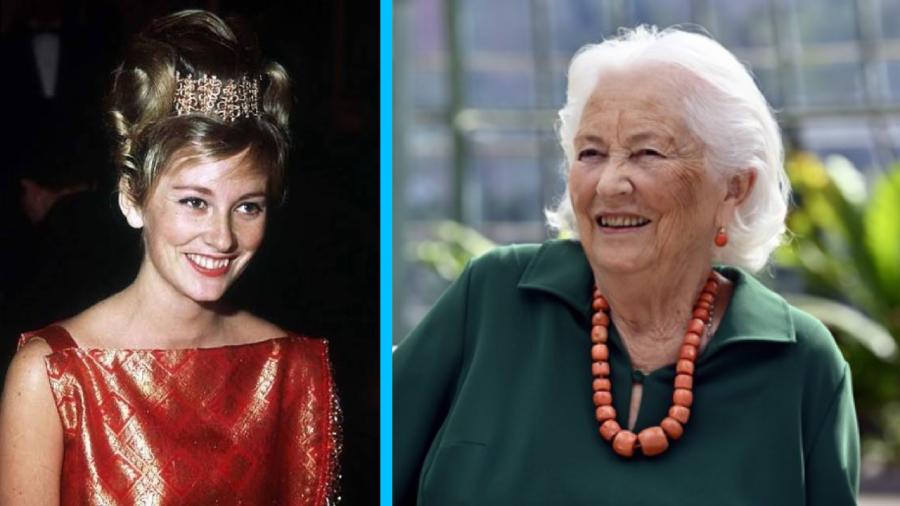
Queen Paola of Belgium is one of those royal figures whose story feels like it belongs in a novel rather than a history book. Born into Italian nobility and later crowned queen of a country she wasn’t even born in, her life spans continents, decades, and a fair share of personal ups and downs. If you’ve ever wondered how an Italian aristocrat ended up as the queen consort of Belgium, or what her family tree looks like, or how she’s spent her years since stepping back from royal duties, you’re in the right place. Let’s walk through her story the way you’d explain it to a friend over coffee, not the way you’d read it off a dusty encyclopedia page.
Early Life and Italian Roots
Paola was born on 11 September 1937 in the seaside town of Forte dei Marmi, Tuscany, and from day one she was surrounded by old-world Italian aristocracy. Her father, Fulco Ruffo di Calabria, wasn’t just a nobleman with a fancy title — he was a genuine World War I flying ace, the kind of dashing figure who could have stepped out of an adventure film. Her mother, Luisa Gazelli dei Conti di Rossana, came from her own distinguished lineage, and together the couple raised a large, lively family in Rome. Growing up as the youngest of seven children in a household with that kind of pedigree meant Paola was steeped in tradition, culture, and a sense of duty from a young age, long before anyone knew she’d eventually wear a crown.
A Large and Storied Family
One thing that often gets glossed over when people talk about Paola is just how big her family actually was. She had three older brothers — Fabrizio Ruffo di Calabria, Augusto Ruffo di Calabria, and Antonello Ruffo di Calabria — and three older sisters: Maria Cristina Ruffo di Calabria, Laura Ruffo di Calabria, and Giovannella Ruffo di Calabria. That’s a full house by any standard, and growing up as the baby of seven siblings likely shaped her easygoing, sociable personality later in life. Each sibling carried the Ruffo di Calabria name forward in their own way, but it was Paola who achieved the most public prominence, eventually becoming the family’s most recognizable face on the world stage as queen consort of Belgium.
Meeting Prince Albert and a Royal Romance
Paola’s life took a dramatic turn when she crossed paths with Prince Albert of Belgium, who would later reign as Albert II of Belgium. Their romance blossomed in the late 1950s, and the pairing raised eyebrows at the time — an Italian noblewoman marrying into the Belgian royal family wasn’t exactly the norm. Still, the two hit it off, and their wedding took place in Brussels on 2 July 1959. It was a lavish affair befitting European royalty, and it marked the start of Paola’s transformation from an Italian aristocrat into a fully integrated member of the Belgian monarchy. Nobody at the time could have predicted just how long and eventful her journey with the Belgian royal family would turn out to be.
Becoming Princess of Liège
Before she was ever called queen, Paola spent decades as the Princess of Liège, a title she held from her marriage in 1959 until 1993. This was actually the bulk of her adult life, and it’s easy to forget she wasn’t queen for most of her time in Belgium. During these years, she and Albert raised their family, attended countless official functions, and slowly built the public profile that would later define her reign as queen. This period is also when Paola became known for her sense of style, regularly appearing on international best-dressed lists and drawing comparisons to Grace Kelly for her polished, elegant look.
Raising a Royal Family
Paola and Albert had three children together, and each went on to play a significant role in Belgian royal life. Their eldest, Philippe of Belgium, would eventually become king, carrying the family legacy into a new generation. Their daughter, Princess Astrid of Belgium, married into Austrian nobility and has remained an active figure in royal duties and diplomatic representation for Belgium. Their youngest son, Prince Laurent of Belgium, has carved out his own path within the family, known for his interests in environmental and animal welfare causes. Watching these three grow up in the public eye gave Belgians a front-row seat to Paola’s parenting style, and by most accounts, she prioritized keeping her children as grounded as possible despite their privileged upbringing.
Ascending to the Throne
Everything changed in 1993 when King Baudouin, Albert’s brother, passed away without an heir. The throne passed to Albert, who became Albert II of Belgium, and by extension, Paola became queen consort. This wasn’t a role she’d spent her whole life preparing for in the traditional sense, since Albert wasn’t originally expected to inherit the crown, but she stepped into the position with the poise you’d expect from someone who’d already spent three decades in royal circles. Her coronation as queen marked a new chapter, one where she’d have a much larger platform to pursue the causes and interests she cared about.
Queen Paola’s Passion for the Arts
If there’s one thing that defined Paola’s tenure as queen, it’s her genuine, hands-on love for contemporary art. She wasn’t the type of royal who showed up to gallery openings just for photo ops. She built real relationships with working artists, visited the Venice Biennale regularly, and used her position to bring modern art into spaces like the Royal Palace of Brussels, historically reserved for more classical tastes. She acquired pieces from respected contemporary Belgian artists and championed both traditional crafts and cutting-edge creative work. This wasn’t just a hobby for her; it became one of the defining legacies of her time as queen, and art historians in Belgium still reference it when discussing how the monarchy has engaged with modern culture.
Style, Grace, and Public Image
Paola’s fashion sense deserves its own mention because it genuinely shaped how the Belgian public perceived her, especially in her younger years. She favored Italian designers, which made sense given her roots, and pieces from houses like Chanel and Valentino became staples of her wardrobe at major state occasions. Her elegance wasn’t loud or flashy; it was the understated sophistication that made her a fixture on international best-dressed lists throughout the 1960s. Later in life, she donated some of her most iconic outfits to Belgian fashion institutions, giving the public and future generations a chance to appreciate the craftsmanship behind the looks that once defined her public image.
Health Challenges in Recent Years
Like many people who reach their eighties, Paola has faced her share of health struggles, and Belgian media has followed these developments closely. She took a period of complete rest in 2015 on doctors’ orders, which fueled speculation about her wellbeing at the time. In the years that followed, she dealt with a fractured vertebra and later a broken hip — setbacks that would challenge anyone regardless of status. Despite these hurdles, she’s continued to make public appearances when her health allows, showing the same resilience that’s marked much of her life.
Stepping Back After Albert II’s Abdication
In July 2013, Albert II of Belgium chose to abdicate the throne in favor of their son, Philippe. That meant Paola’s official run as queen came to an end, though she retained the honorary title of Queen Paola out of respect for her decades of service. The transition let both her and Albert step back from the demanding schedule of official royal duties while remaining respected, visible figures within the Belgian royal family. It’s a graceful way for European monarchies to handle succession, and Paola’s move into this quieter role has been marked by continued, if less frequent, public engagement.
Life as a Grandmother
Away from the cameras and official engagements, Paola has spoken fondly about the joys of being a grandmother. With children spread across Philippe of Belgium’s family, Princess Astrid of Belgium’s household, and Prince Laurent of Belgium’s family, she has plenty of grandchildren to keep her busy. Reports over the years describe her enjoying long walks in the forest alongside Albert, cherishing the simpler pleasures that come with stepping out of the royal spotlight. It’s a reminder that behind the titles and formal portraits, she’s also just someone who values time with family, much like anyone else her age.
Why Her Story Still Resonates Today
What makes Paola’s story compelling isn’t just the royal title or the glamorous wardrobe; it’s the arc of her life from an Italian noble family to the highest social position in another country entirely. She navigated cultural differences, raised a family that includes a reigning king, and used her platform to genuinely support the arts rather than just make appearances. Even now, in her late eighties, she remains a point of interest for anyone curious about European royal history, largely because her journey wasn’t handed to her the way people sometimes assume royal lives are. She earned her place through decades of consistent public service and personal resilience.
FAQs
Who is Queen Paola of Belgium married to?
Queen Paola is married to Albert II of Belgium, whom she wed in Brussels on 2 July 1959, well before he ascended to the throne in 1993.
How many children does Queen Paola have?
She has three children: Philippe of Belgium, Princess Astrid of Belgium, and Prince Laurent of Belgium.
What is Queen Paola’s family background?
She was born Donna Paola Ruffo di Calabria, the youngest of seven children of Fulco Ruffo di Calabria and Luisa Gazelli dei Conti di Rossana, into one of Italy’s oldest noble families.
Is Queen Paola still alive today?
Yes, as of the most recent public updates, Queen Paola is alive, though she has faced various health challenges in recent years and makes fewer public appearances than she once did.
Why did Queen Paola stop being queen in 2013?
Her husband, Albert II of Belgium, abdicated the throne in July 2013 in favor of their son Philippe, which ended Paola’s official reign, though she kept the honorary title of Queen Paola.
Conclusion
Queen Paola of Belgium’s life tells a story that goes well beyond royal formalities and ceremonial titles. From her childhood among Italian nobility alongside siblings Fabrizio, Augusto, Antonello, Maria Cristina, Laura, and Giovannella Ruffo di Calabria, to her marriage into the Belgian royal family and eventual role as queen consort to Albert II of Belgium, she’s lived a life shaped by both privilege and genuine personal contribution. Her lasting impact on Belgium’s art scene, her role as mother to Philippe, Astrid, and Laurent, and her graceful transition into a quieter chapter of life all paint a picture of someone who took her royal responsibilities seriously while staying true to her own passions. Whether you’re a royal history enthusiast or just stumbled onto her story out of curiosity, Queen Paola’s journey remains one of the more genuinely interesting narratives in modern European monarchy.