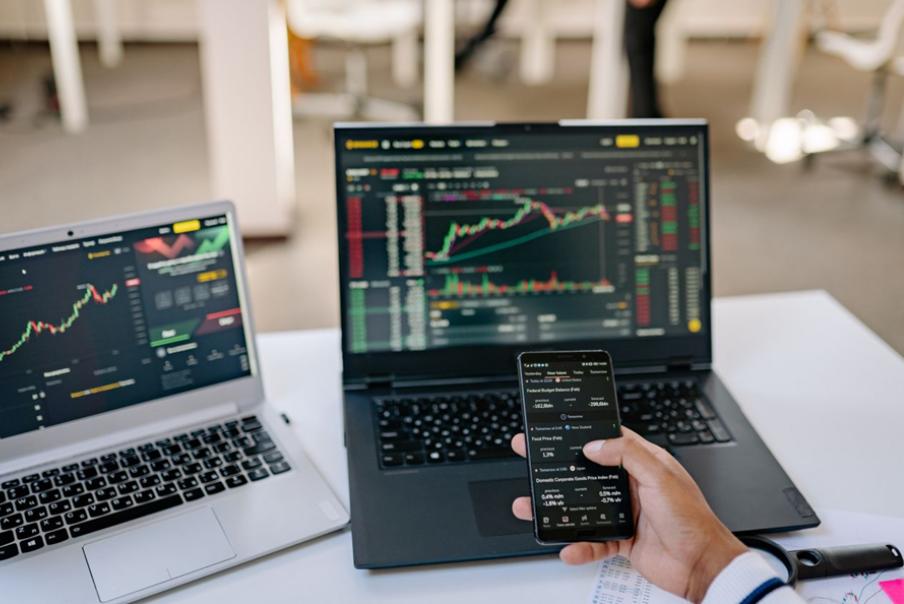
Finding the right trading platform can make a noticeable difference to your overall trading experience. This article looks at the most important features to compare before choosing a platform and explains how different tools, costs and services can suit different types of traders.
Understand What You Need Before Comparing Platforms
Many people begin researching a platform by looking at reviews or rankings, but it is worth thinking about your own priorities first. Someone interested in day trading is likely to have different expectations from a person who only invests a few times each year. Fast order execution, reliable charts and responsive software often matter more than features designed for long-term investing.
Before opening an account, consider how frequently you expect to trade, which financial markets interest you and whether you plan to use a desktop computer, a mobile device or both. A platform that matches your habits is usually a better choice than one packed with features you may never use.
Speed and Stability Matter More Than Fancy Features
A platform can offer dozens of advanced indicators, but that means very little if it struggles during busy market hours. Stability should always be one of the first things to assess.
Unexpected delays, frozen charts or slow order execution can become frustrating, especially when prices are moving quickly. Although no platform is completely immune to technical issues, established providers generally invest heavily in infrastructure to minimise interruptions.
It is also worth checking whether the platform receives regular software updates. Continuous improvements often indicate that the company is actively maintaining its technology rather than leaving users with outdated tools.
Compare Trading Costs Carefully
Low fees often attract attention, but the cheapest option is not always the most cost-effective. Different platforms structure their charges in different ways, so looking beyond the headline figures is important.
Some providers focus on competitive spreads, while others may charge commissions or additional account fees. Currency conversion costs, inactivity fees or withdrawal charges can also affect the overall cost of trading.
Rather than concentrating on a single number, consider the complete pricing structure. A platform with slightly higher spreads may still prove better value if it avoids several additional charges elsewhere.
Evaluate the Available Trading Tools
Modern trading platforms provide much more than simple buy and sell buttons. Many include charting packages, technical indicators, market news, economic calendars and price alerts.
The ideal combination depends on personal preference. Some traders appreciate a clean and simple interface that allows them to focus on price action. Others prefer a more detailed workspace with multiple charts open at the same time.
Many providers also allow users to customise layouts. Being able to organise charts, watchlists and trading windows according to your own workflow can make everyday trading more efficient.
Check Which Markets Are Available
Not every platform offers access to the same financial markets. Some specialise in foreign exchange, while others provide a wider selection including shares, commodities, indices and cryptocurrencies.
If you expect your interests to change over time, choosing a platform with a broader market offering may provide greater flexibility later. It can be more convenient to manage several markets through one account instead of opening separate accounts with multiple providers.
Market availability should always be considered alongside the quality of execution and the analytical tools offered for those specific assets.
Mobile Trading Should Feel Just as Reliable
Many traders no longer remain at a desk throughout the day. Mobile applications have become an essential part of the trading experience, allowing users to monitor positions wherever they are.
A good mobile app should include most of the important features available on the desktop version without becoming difficult to navigate. Watchlists, chart analysis, notifications and order management should all work smoothly across different devices.
Synchronisation between desktop and mobile versions is another useful feature. It saves time by ensuring layouts, preferences and watchlists remain consistent regardless of which device you are using.
Security and Regulation Should Never Be Overlooked
Trading involves both personal information and financial transactions, making security an important consideration.
Look for platforms that use strong encryption, secure login methods and additional account protection such as two-factor authentication. They add an extra layer of protection that makes it far more difficult for anyone else to access your account.
Regulation also plays an important role. Using a provider that operates under recognised financial authorities can provide greater confidence that the company follows established standards regarding client protection and operational practices.
Making a Well-Informed Choice
The best trading platform is not necessarily the one with the largest marketing campaign or the longest list of features. It is the one that fits your trading style, offers dependable performance and provides the tools you genuinely need.
Taking time to compare execution quality, pricing, available markets, security, mobile functionality and customer support can lead to a better long-term experience. Rather than rushing into the first platform you come across, approach the decision carefully. A thoughtful comparison today can help you trade with greater confidence tomorrow.