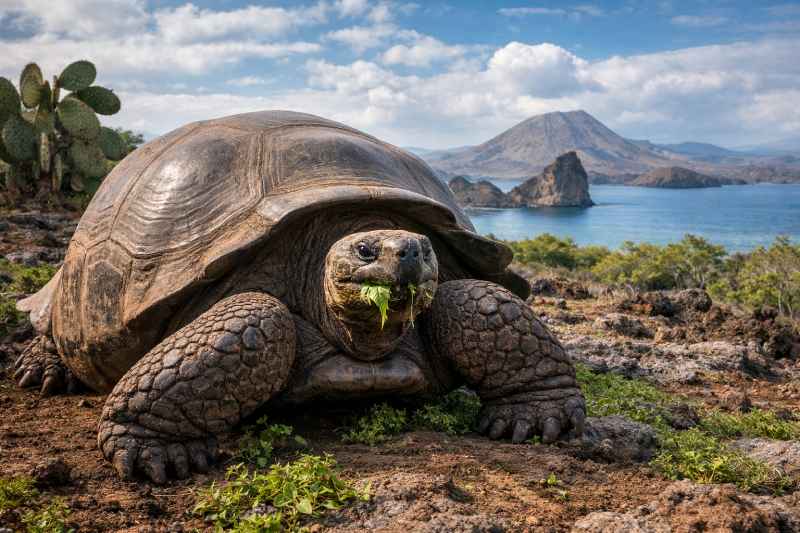
Geochelone nigra is one of the most iconic and fascinating reptile species ever studied by science. Commonly associated with the legendary giant tortoises of the Galápagos Islands, geochelone nigra represents not only extraordinary size and longevity, but also a living symbol of evolution, adaptation, and conservation. For centuries, these tortoises have captured the imagination of explorers, scientists, and wildlife enthusiasts around the world.
Understanding Geochelone nigra
Geochelone nigra is a scientific name historically used to describe the Galápagos giant tortoise complex. Although modern taxonomy often places these tortoises under the genus Chelonoidis, the name geochelone nigra remains widely used in academic references, older literature, and general discussion.
The species is native exclusively to the Galápagos Islands, an isolated volcanic archipelago in the Pacific Ocean. Isolation over millions of years allowed geochelone nigra to evolve into multiple island-specific forms, each adapted to local environmental conditions.
Taxonomy and Scientific Classification
The classification of geochelone nigra has undergone significant revision over time. Early naturalists grouped all giant tortoises of the Galápagos under a single species name due to their overall similarity. Advances in genetics later revealed that these tortoises form a complex of closely related but distinct lineages.
Despite taxonomic debate, geochelone nigra continues to be used as an umbrella term to describe the Galápagos giant tortoises as a whole. This historical naming convention remains relevant in conservation discussions and biodiversity records.
Why the Name Geochelone nigra Still Matters
While taxonomy evolves, the name geochelone nigra carries historical and scientific significance. Many conservation programmes, legal protections, and archival studies still reference this name. Understanding it provides continuity between classical zoology and modern evolutionary biology.
Physical Characteristics of Geochelone nigra
Geochelone nigra is renowned for its immense size and robust build. These tortoises are the largest living land tortoises on Earth, a distinction that immediately sets them apart in the reptile world.
Size and Weight
Adult individuals can exceed 250 kilograms in weight, with some historic specimens reported to weigh even more. Shell lengths commonly reach over one metre, making geochelone nigra a true giant among reptiles.
Shell Structure and Shape
The shell, or carapace, of geochelone nigra is thick, heavy, and dark in colour. Two main shell shapes are observed:
Domed shells, typically found on islands with abundant low vegetation
Saddle-backed shells, characterised by a raised front opening that allows the tortoise to stretch its neck upward to reach taller plants
These variations are a classic example of adaptive evolution.
Limbs and Movement
Despite their size, geochelone nigra moves with surprising stability. Thick, column-like legs support their massive bodies, while strong claws aid in digging and navigating rough terrain. Their slow pace conserves energy and suits their low-metabolism lifestyle.
Habitat and Geographic Distribution
Geochelone nigra is endemic to the Galápagos Islands, meaning it occurs nowhere else on Earth. Each island provides a slightly different environment, influencing local tortoise populations.
Lowland Zones
Dry lowland areas are characterised by sparse vegetation, cactus plants, and volcanic rock. Tortoises living here often display saddle-backed shells that allow them to browse higher vegetation.
Highland Zones
Moist highland regions contain grasses, shrubs, and seasonal water sources. Domed-shell tortoises are more common in these habitats, where food is plentiful at ground level.
Seasonal Migration
One remarkable behaviour of geochelone nigra is its seasonal migration. During dry periods, tortoises move uphill to access fresh vegetation and water, returning to lower elevations when conditions change.
Diet and Feeding Behaviour
Geochelone nigra is strictly herbivorous, feeding on a wide range of plant material. Its diet plays a crucial role in shaping the island ecosystems.
Natural Diet
The tortoise consumes grasses, leaves, fruits, flowers, and cactus pads. It is capable of digesting tough, fibrous plants that many other animals cannot process.
Ecological Impact
By dispersing seeds through their droppings, geochelone nigra helps maintain plant diversity across the islands. Their grazing patterns also prevent certain plant species from becoming dominant, supporting balanced ecosystems.
Longevity and Life Cycle
One of the most astonishing aspects of geochelone nigra is its lifespan. These tortoises are among the longest-living vertebrates on Earth.
Exceptional Longevity
Many individuals live well beyond 100 years, with some estimated to reach 150 years or more. Their slow metabolism, lack of natural predators, and stable environment contribute to this extraordinary longevity.
Reproduction and Growth
Geochelone nigra reaches sexual maturity slowly, often after 20 to 30 years. Females lay eggs in sandy nests, where incubation temperature influences hatchling development. Young tortoises grow gradually, investing energy into shell strength and survival.
Behaviour and Adaptations
Despite their calm appearance, geochelone nigra displays a range of adaptive behaviours that have enabled survival in challenging environments.
Thermoregulation
As a cold-blooded animal, geochelone nigra relies on external heat sources. It basks in the sun during cooler hours and seeks shade or mud wallows to regulate body temperature.
Water Conservation
These tortoises can survive months without drinking water directly. They store moisture in their bodies and obtain hydration from vegetation, an essential adaptation to dry island conditions.
Evolutionary Importance
Geochelone nigra holds a unique place in the history of evolutionary science. Observations of Galápagos wildlife, including these tortoises, contributed to early ideas about natural selection.
Island Adaptation
The variation in shell shape and size among island populations illustrates how isolation and environment drive evolutionary change. Geochelone nigra remains a living example of adaptive radiation.
Scientific Legacy
The species continues to inform research in genetics, ecology, and conservation biology, offering insights into long-term survival and resilience.
Conservation Status and Threats
Although geochelone nigra once faced severe decline, modern conservation efforts have improved its outlook.
Historical Threats
In the past, sailors hunted these tortoises extensively for meat. Introduced animals such as goats and rats damaged habitats and preyed on eggs.
Modern Conservation Efforts
Today, geochelone nigra is protected by strict laws. Breeding programmes, habitat restoration, and invasive species control have helped several populations recover. Conservationists continue to monitor genetic diversity to maintain healthy populations.
Role in Modern Conservation Education
Geochelone nigra has become a global symbol of wildlife protection. Its story is often used to educate the public about endangered species, ecosystem balance, and the importance of long-term conservation planning.
The species demonstrates how focused human intervention can reverse environmental damage when guided by science and respect for nature.
FAQs
What is geochelone nigra best known for?
Geochelone nigra is best known for being one of the largest and longest-living land tortoises in the world, native to the Galápagos Islands.
Is geochelone nigra still alive today?
Yes, geochelone nigra populations still exist, although some island forms became extinct in the past. Conservation efforts have stabilised several groups.
How long can geochelone nigra live?
Many individuals live over 100 years, with some estimated to reach 150 years or more under favourable conditions.
Why do geochelone nigra shells look different?
Shell shape varies depending on habitat. Saddle-backed shells help reach higher plants, while domed shells suit areas with ground-level vegetation.
Is geochelone nigra endangered?
Geochelone nigra is considered threatened overall, but active conservation has improved its survival prospects.
Conclusion
Geochelone nigra is far more than a giant tortoise; it is a living testament to evolution, endurance, and the power of conservation. From its immense size and extraordinary lifespan to its ecological importance and scientific legacy, this species continues to inspire admiration and responsibility.
Understanding geochelone nigra helps us appreciate the delicate balance of isolated ecosystems and the lasting impact of human action. As conservation efforts continue, this remarkable tortoise stands as a reminder that with knowledge, care, and commitment, even the most vulnerable species can have a future.