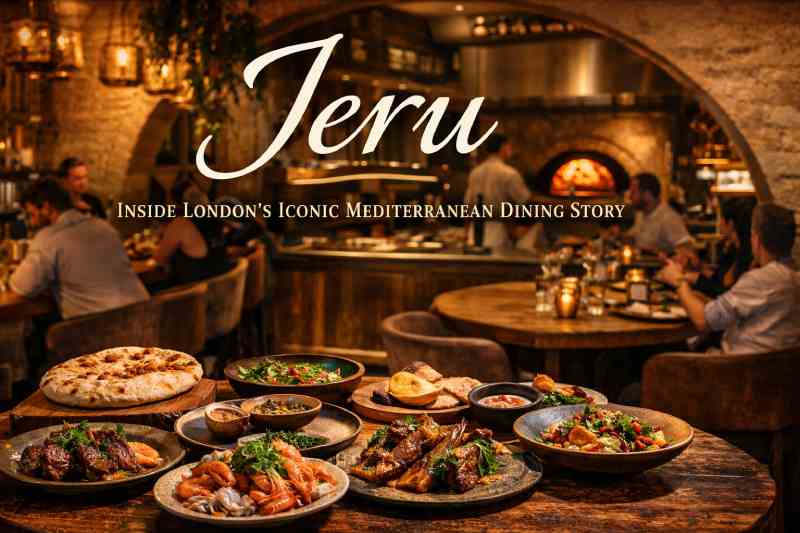
London has long been recognised as one of the world’s most exciting culinary capitals, constantly evolving through new concepts, ambitious chefs, and innovative dining spaces. Among the restaurants that captured attention in recent years, Jeru stood out as a venue that blended architectural spectacle with refined Mediterranean flavours. Located in the heart of Mayfair, the restaurant quickly became a talking point for food critics, travellers, and London locals alike.
The Origins of Jeru
A Vision Rooted in Mediterranean Culture
When Jeru opened its doors in Mayfair, it arrived with a clear mission: to reimagine Mediterranean dining through a modern London lens. The concept drew inspiration from diverse culinary traditions stretching across Southern Europe, North Africa, and the Middle East.
The founders aimed to create more than a restaurant. Their goal was to design an immersive environment where food, architecture, and culture combined seamlessly. This ambition immediately set Jeru apart from many fine-dining establishments that focused solely on cuisine.
The name itself reflected ideas of heritage and ancient cities — places where cultures met, traded, and evolved over centuries. That symbolism shaped everything from menu development to interior design choices.
Entering London’s Competitive Dining Scene
Launching a new restaurant in Mayfair is never easy. The area is already home to some of the UK’s most prestigious dining venues, attracting a clientele with exceptionally high expectations.
Jeru entered this competitive environment by positioning itself as both luxurious and approachable. While the space felt grand, the experience emphasised shared plates and communal dining — a hallmark of Mediterranean culture.
This balance between elegance and warmth helped the restaurant generate early buzz among critics and diners.
Architectural Design and Atmosphere
A Multi-Level Dining Experience
One of the defining features of Jeru was its striking interior design. Spread across multiple floors, the venue offered distinct spaces that each delivered a slightly different mood.
Guests could move between:
- A lively ground-floor dining area
- Intimate seating zones
- A stylish cocktail bar
- A bakery concept focused on fresh breads and pastries
The layered structure encouraged exploration, making a visit feel more like a journey than a standard meal.
Natural Materials and Organic Elements
Designers embraced natural textures such as stone, wood, and warm earth tones. Soft lighting and curved architectural forms created an atmosphere that felt both modern and timeless.
Instead of sterile minimalism, the environment aimed to evoke Mediterranean warmth — echoing coastal towns and historic marketplaces. This attention to sensory detail played a significant role in shaping the restaurant’s identity.
Culinary Philosophy
Celebrating Fire and Fresh Ingredients
At the core of Jeru’s menu was a focus on elemental cooking methods, particularly fire-based techniques. Wood-fired ovens and grills allowed chefs to highlight natural flavours rather than overwhelm dishes with complexity.
The menu emphasised:
- Seasonal vegetables
- Fresh seafood
- High-quality meats
- House-made breads
Each dish reflected simplicity paired with precision, allowing ingredients to speak for themselves.
Sharing as a Cultural Experience
Unlike traditional British dining formats, meals were designed for sharing. Plates arrived gradually, encouraging conversation and interaction among guests.
This approach mirrored Mediterranean dining traditions where meals are social rituals rather than rushed occasions. The philosophy resonated strongly with London diners seeking more relaxed yet sophisticated experiences.
Signature Dishes and Menu Highlights
Bread as the Centrepiece
A standout feature was the restaurant’s dedication to bread-making. Freshly baked loaves emerged throughout service, often paired with dips and spreads inspired by regional flavours.
Bread became more than an accompaniment; it was a symbol of hospitality and community.
Seafood and Seasonal Cooking
Seafood dishes showcased delicate preparation methods that preserved freshness. Grilled fish, citrus-infused sauces, and herb-forward garnishes reflected coastal influences.
Seasonality remained central, ensuring menus evolved throughout the year.
Balanced Flavours
Rather than relying on heavy sauces, dishes focused on balance — acidity, smokiness, and natural sweetness working together harmoniously. This culinary restraint contributed to widespread praise from critics.
The Role of Mayfair in Its Success
Location Matters
Mayfair’s reputation as a luxury destination played a significant role in the restaurant’s early popularity. The area attracts international visitors, business professionals, and food enthusiasts willing to explore high-end dining concepts.
Being situated there allowed Jeru to reach a global audience quickly.
Appealing to Modern Diners
Today’s diners increasingly seek experiences rather than simply meals. The restaurant catered perfectly to this expectation by combining visual drama, social dining, and high-quality cuisine.
The venue became a popular choice for celebrations, corporate gatherings, and special occasions.
Critical Reception and Public Response
Early Praise from Food Critics
Upon opening, Jeru received strong attention from hospitality media and critics. Many highlighted the ambitious scale of the project and its cohesive vision.
Positive reviews often mentioned:
- Exceptional design
- Confident culinary direction
- Warm yet refined service
Critics appreciated how the restaurant avoided feeling overly formal despite its luxury setting.
Social Media Influence
The visually striking interiors quickly gained traction on social platforms. Diners frequently shared photographs of the space and dishes, contributing to widespread awareness.
This digital visibility played an essential role in building the restaurant’s reputation among younger audiences.
Challenges Facing the Hospitality Industry
Rising Costs and Operational Pressures
Like many UK restaurants, Jeru faced increasing operational challenges over time. Rising food costs, staffing shortages, and economic pressures created difficulties even for high-profile venues.
The hospitality sector across Britain experienced significant strain, particularly following pandemic-era disruptions and inflationary pressures.
Changing Dining Habits
Consumer behaviour also evolved. Some diners shifted towards casual experiences or reduced discretionary spending, affecting luxury dining venues disproportionately.
These broader industry factors influenced the restaurant’s trajectory.
Cultural Impact on London Dining
A New Model for Experiential Restaurants
Jeru helped reinforce a growing trend in London: restaurants as immersive environments rather than purely culinary destinations.
Future venues increasingly adopted similar approaches, combining storytelling, design, and food into unified experiences.
Inspiring Mediterranean Revival
The success of Mediterranean-inspired concepts encouraged other chefs and restaurateurs to explore regional cuisines with modern interpretations.
This influence continues to shape London’s restaurant landscape today.
Why Jeru Resonated with Diners
Several factors explain why the restaurant captured attention so quickly:
- Strong narrative identity
- Distinctive architectural design
- Social dining philosophy
- Seasonal ingredient focus
- Balanced luxury and comfort
These elements created emotional engagement beyond the food itself.
Guests often remembered the atmosphere as much as the menu, demonstrating the power of holistic hospitality design.
Lessons for the Modern Restaurant Industry
The story of Jeru offers valuable insights for restaurateurs and hospitality professionals.
Experience Over Excess
Modern diners value authenticity and atmosphere more than excessive complexity. Thoughtful storytelling can elevate even simple dishes.
Adaptability Is Essential
Economic conditions and consumer habits change rapidly. Successful venues must remain flexible while maintaining core identity.
Design Matters
Architecture and ambience now play a central role in dining success, influencing how guests perceive value and quality.
The Legacy of Jeru
Although the restaurant’s operational journey was relatively short, its influence remains visible within London’s dining evolution. It demonstrated that ambitious concepts could merge cultural storytelling with culinary excellence.
Many diners continue to remember the venue as an example of bold creativity — a place where food, design, and social connection came together in harmony.
Its legacy lies not only in dishes served but in the experiential standard it helped set for future restaurants.
FAQs
What type of cuisine did Jeru offer?
The restaurant specialised in modern Mediterranean cuisine inspired by Southern Europe, North Africa, and Middle Eastern culinary traditions.
Where was Jeru located in London?
It was situated in Mayfair, one of London’s most prestigious dining districts.
Was Jeru considered fine dining?
Yes, although it combined luxury presentation with a relaxed, sharing-style dining approach.
Why did Jeru become popular so quickly?
Its unique design, immersive atmosphere, and high-quality seasonal cooking attracted strong media attention and social interest.
What made Jeru different from other London restaurants?
The combination of architectural storytelling, communal dining, and fire-focused cooking created a distinctive experience.
Conclusion
The rise and story of Jeru reflect a broader transformation within London’s hospitality landscape. Rather than focusing solely on culinary prestige, the restaurant embraced experience, culture, and emotional connection as equally important elements of dining.
By blending Mediterranean traditions with modern British expectations, it delivered a concept that felt both international and deeply rooted in storytelling. Its innovative approach demonstrated how restaurants can function as cultural spaces where people gather not just to eat, but to connect and explore new perspectives.