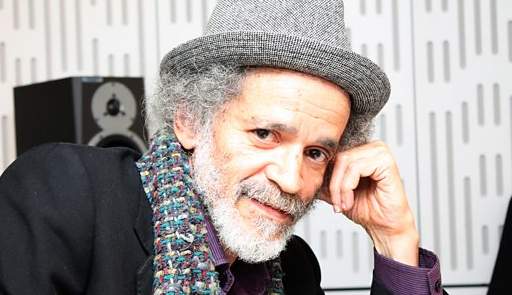
John Agard stands as one of the most distinctive and compelling poetic voices in contemporary British literature. Known for his bold linguistic style, rhythmic energy, and fearless engagement with themes of race, identity, colonialism, and cultural memory, John Agard has transformed the landscape of modern poetry through works that challenge readers to question accepted narratives and re-examine inherited histories.
Born in Guyana and later becoming one of Britain’s most celebrated literary figures, John Agard has built a reputation as a poet whose words resonate far beyond the page. His poetry is not only studied in classrooms across the United Kingdom but is also admired globally for its originality, depth, and social significance. His ability to blend humour, performance, political commentary, and Caribbean oral traditions makes his work both intellectually rich and emotionally powerful.
Early Life and Background of John Agard
John Agard was born on 21 June 1949 in Georgetown, British Guiana, now known as Guyana. Growing up in a culturally diverse Caribbean environment deeply influenced his worldview and later shaped the voice that would define his poetry.
As a child, he developed an early love for language, stories, and performance. Guyana’s oral storytelling traditions, folklore, and multilingual culture played a vital role in shaping his literary sensibility. He was fascinated by the rhythms of spoken language and the musicality of speech, elements that would later become hallmarks of his poetic style.
Before moving to Britain, John Agard worked as a teacher and journalist in Guyana. During this period, he began writing poetry seriously and developed a growing interest in exploring questions of cultural identity and post-colonial experience.
In 1977, he relocated to the United Kingdom, a move that marked a significant turning point in both his personal life and literary career.
Arrival in Britain and Literary Development
When John Agard arrived in Britain, he entered a literary environment where Caribbean voices were still underrepresented in mainstream publishing. Yet rather than adapting his style to fit conventional expectations, he remained deeply committed to preserving his own authentic voice.
His Caribbean heritage remained central to his work, and he used poetry as a means to challenge dominant cultural narratives. Instead of writing in rigid traditional forms, John Agard embraced spoken rhythms, dialect, and performance-driven delivery. This decision made his work immediately distinctive.
In Britain, he quickly became known not only as a writer but also as a performer whose live readings brought extraordinary energy to his poems. His voice, timing, humour, and dramatic presence made audiences engage with poetry in a vivid and memorable way.
The Unique Poetic Style of John Agard
One of the defining characteristics of John Agard is his unmistakable poetic voice. His style is innovative, accessible, and rooted in oral tradition.
Use of Caribbean Creole and Dialect
John Agard often blends standard English with Caribbean Creole, challenging linguistic hierarchies that privilege one form of English over another. By doing so, he asserts the legitimacy and beauty of Caribbean speech patterns.
This linguistic choice is deeply political. It resists colonial notions that standard British English is superior and celebrates the richness of multicultural expression.
Rhythm and Performance
Many of John Agard’s poems are written to be heard aloud. Their rhythm, repetition, and musicality reflect his performance background. His poetry often feels alive in spoken form, carrying emotional force through sound as much as meaning.
Humour and Satire
Despite dealing with serious subjects such as racism and historical erasure, John Agard frequently employs wit and irony. Humour becomes a tool for critique, allowing him to expose injustice while keeping his poetry engaging and memorable.
Major Themes in John Agard’s Poetry
John Agard’s work addresses several recurring themes that give his poetry enduring relevance.
Identity and Self-Definition
A central concern in John Agard’s poetry is the question of identity. He repeatedly explores what it means to define oneself outside imposed stereotypes or colonial frameworks.
His poems often reject externally imposed labels and reclaim identity through self-expression.
Colonial History and Historical Erasure
John Agard is particularly known for confronting distorted or incomplete versions of history. He challenges educational systems that prioritise European narratives while marginalising Black historical figures and colonial realities.
Race and Representation
Many of his poems examine racism, prejudice, and representation in society. Rather than presenting abstract arguments, he personalises these issues through voice and lived perspective.
Language and Power
Language itself is a recurring subject in John Agard’s poetry. He investigates who controls language, whose voices are validated, and how linguistic structures reflect systems of power.
Famous Works by John Agard
Checking Out Me History
This is perhaps John Agard’s most widely studied poem and one of his most influential works. In it, he critiques colonial education systems that erase Black historical figures while glorifying European ones.
The poem powerfully contrasts imposed historical narratives with reclaimed cultural knowledge. Its fragmented structure reflects resistance and recovery.
Half-Caste
In this provocative poem, John Agard challenges the offensive term “half-caste” and dismantles the racist assumptions behind it. Through irony and rhetorical questioning, he exposes the absurdity of racial categorisation.
Listen Mr Oxford Don
This poem critiques linguistic elitism and celebrates non-standard forms of English. John Agard asserts the legitimacy of his own speech patterns and resists pressures to conform linguistically.
Mangoes and Bullets
This collection reveals another dimension of John Agard’s work, combining political awareness with lyric beauty and emotional depth.
John Agard as a Children’s Writer
Beyond adult poetry, John Agard has also made remarkable contributions to children’s literature. His books for younger readers often combine humour, imagination, folklore, and cultural richness.
His children’s writing reflects the same inventiveness found in his poetry, introducing young readers to playful language while encouraging curiosity and critical thinking.
This aspect of his career demonstrates his versatility and broad literary reach.
Influence on British Education
John Agard occupies a rare position in British literature because his poetry has become deeply embedded in school curricula across the UK.
Students encounter his work not merely as literature but as a lens through which to explore identity, empire, race, and cultural diversity. His inclusion in educational syllabuses has helped broaden literary representation and expose younger generations to post-colonial perspectives.
His poems invite students to question whose histories are taught and whose voices are excluded.
Awards and Recognition
John Agard’s literary achievements have earned widespread recognition.
Among his honours are:
- Queen’s Gold Medal for Poetry
- Paul Hamlyn Award for Poetry
- BookTrust Lifetime Achievement Award
These awards reflect both artistic excellence and cultural impact. His work has shaped not only literary discourse but also public understanding of history and identity.
Partnership with Grace Nichols
John Agard is married to fellow acclaimed poet Grace Nichols, another major literary voice from Guyana. Together, they form one of the most respected literary partnerships in contemporary poetry.
Their shared Caribbean heritage and literary commitment have enriched British literature significantly. Though each has a distinct voice, both contribute powerfully to conversations around migration, belonging, and cultural memory.
Why John Agard Remains Relevant Today
The relevance of John Agard has only grown over time. In an era increasingly concerned with decolonising education, confronting systemic racism, and amplifying marginalised voices, his poetry speaks directly to urgent contemporary debates.
His work encourages readers to question authority, challenge inherited assumptions, and recognise overlooked histories. These concerns remain profoundly important in today’s world.
John Agard’s poetry is not confined to literary appreciation; it functions as cultural intervention.
The Legacy of John Agard in Modern Literature
John Agard’s legacy lies in more than his published poems. He has expanded what British poetry can sound like, who it can represent, and how it can engage with history.
He has shown that poetry can be political without losing artistry, critical without losing humour, and accessible without sacrificing depth.
His influence can be seen in newer generations of poets who embrace multilingualism, performance, and identity-driven storytelling.
FAQs
Why is John Agard important in British literature?
John Agard is important because he brings Caribbean perspectives into mainstream British poetry while challenging colonial narratives, racial stereotypes, and linguistic prejudice.
What is John Agard’s most famous poem?
His most famous poem is widely considered to be Checking Out Me History, which is studied extensively in UK schools for its exploration of identity and historical erasure.
What makes John Agard’s poetry unique?
His poetry is unique because of its blend of Caribbean dialect, oral rhythm, humour, political critique, and powerful spoken-word energy.
Conclusion
John Agard is far more than a poet; he is a cultural force whose work continues to reshape how literature engages with identity, history, and justice. Through his fearless language, rhythmic brilliance, and unwavering commitment to truth, he has created a body of work that challenges, educates, and inspires.
His poetry remains essential because it gives voice to those too often excluded from official narratives. In celebrating John Agard, we celebrate not only a remarkable writer but also the enduring power of poetry to question the world and transform understanding.