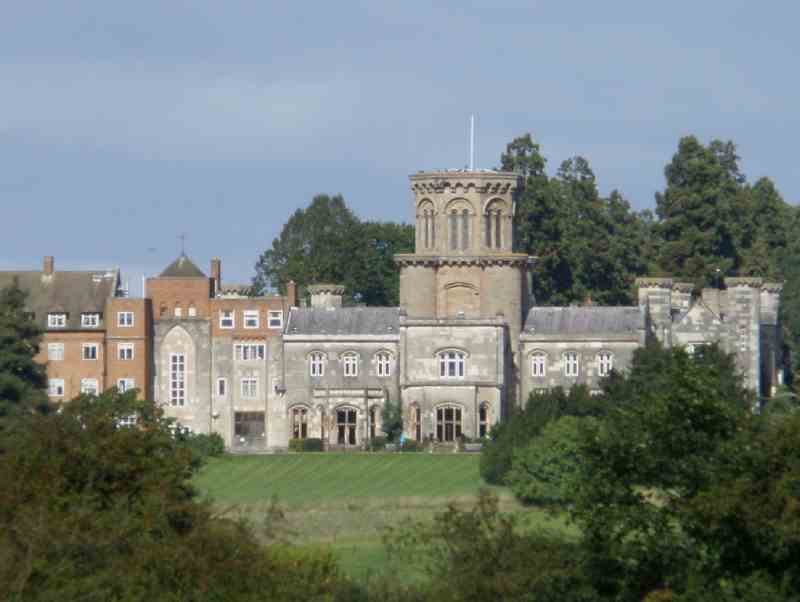
Set amidst rolling Warwickshire countryside, Studley Castle stands as one of England’s most intriguing country houses. Despite its romantic name, it is not a medieval fortress but a remarkable 19th-century Gothic Revival mansion that captures the imagination of visitors from the moment they approach its turrets and battlements. Blending aristocratic heritage, educational legacy, wartime resilience and modern hospitality, this striking estate offers far more than first impressions suggest.
The Origins of Studley Castle
A Victorian Vision
The present structure was completed in 1836 for Francis Lyttelton Holyoake-Goodricke, who commissioned the architect Samuel Beazley to design a residence in the fashionable Gothic Revival style. The aim was not to construct a defensive stronghold, but rather to evoke medieval grandeur through romantic design elements such as towers, crenellations and pointed windows.
The estate itself, however, has far older roots. The land once belonged to the Lyttelton family, whose influence in the region dates back centuries. The earlier medieval castle that once stood nearby has long since vanished, leaving behind only subtle earthworks and traces in historical records. The 19th-century mansion effectively inherited the name, preserving a sense of continuity with the area’s deeper past.
Architectural Character
The architecture of Studley Castle is unmistakably dramatic. Its stone façade rises with decorative battlements and elegant turrets, creating the impression of a fairy-tale stronghold. Large mullioned windows allow light to flood the interior, while ornate detailing reflects the Victorian passion for romantic medievalism.
Inside, the grand staircase, high ceilings and intricate plasterwork speak of aristocratic ambition. Gothic arches and period features remain central to the building’s charm, even after extensive modern renovation. The overall effect is theatrical yet refined, a testament to Victorian confidence and craftsmanship.
The Estate and Its Landscape
Warwickshire Countryside Setting
One of the defining features of Studley Castle is its setting. Nestled within landscaped grounds in the village of Studley, the property enjoys sweeping views across the Warwickshire countryside. Mature trees, lawns and garden spaces create a peaceful retreat that feels removed from the pace of modern life.
The surrounding area is rich in cultural and historical interest. Stratford-upon-Avon, the birthplace of William Shakespeare, lies within easy reach. Warwick Castle and the picturesque Cotswolds are also nearby, making the estate an ideal base for exploring central England.
Designed Grounds and Garden Heritage
During the Victorian era, country estates were designed to impress. The grounds surrounding Studley Castle were carefully shaped to complement the mansion’s imposing profile. Tree-lined approaches heightened the sense of anticipation, while open lawns framed views of the building’s towers.
Over time, parts of the gardens evolved to serve new purposes, particularly during its years as an educational institution. Nevertheless, the sense of grandeur and rural tranquillity remains central to the estate’s identity.
From Aristocratic Home to Women’s College
The Birth of Studley College
In 1903, the mansion entered a new chapter when it became Studley College, a pioneering horticultural training institution for women. At a time when opportunities for women in agriculture and land management were limited, the college offered practical education and professional pathways.
Students studied gardening, dairy work, poultry keeping and estate management. The grounds provided a living classroom, transforming the estate from private residence into a hub of innovation and empowerment.
The period of Studley College is one of the most significant chapters in the story of Studley Castle, demonstrating its adaptability and social relevance.
Wartime Service
During both World Wars, the estate played a vital role in supporting national efforts. It served as a training base for the Women’s Land Army, whose members helped sustain food production during times of crisis.
The building’s robust structure and extensive grounds made it well suited to such use. The wartime period added another layer of resilience and purpose to the estate’s evolving identity.
Twentieth-Century Transitions
After the closure of the college in the mid-20th century, the building experienced various changes in function. It was used as office space and later as a conference venue. Like many historic estates, it faced the challenge of balancing preservation with financial sustainability.
By the early 21st century, the need for substantial restoration became clear. Years of changing use had left parts of the building in need of renewal, and there was growing recognition of its architectural and cultural value.
A £50 Million Transformation
Restoration and Rebirth
In the late 2010s, a major restoration project transformed Studley Castle into a luxury hotel and leisure destination. The redevelopment sought to preserve the building’s historic features while introducing contemporary comforts.
Craftspeople restored stonework, repaired decorative interiors and carefully integrated modern amenities. The aim was not merely to refurbish, but to honour the spirit of the Victorian design while ensuring long-term viability.
Reopened in 2019, the revitalised estate marked a new era in its long history.
Modern Hospitality Within Historic Walls
Today, visitors experience a blend of old and new. Elegant bedrooms occupy former chambers, offering comfort within historic architecture. Dining spaces combine period features with contemporary design, while spa and wellness facilities provide relaxation in refined surroundings.
The transformation of Studley Castle demonstrates how heritage buildings can be preserved through thoughtful adaptation rather than static conservation.
What Makes Studley Castle Unique?
Not a True Medieval Fortress
One of the most common misconceptions is that Studley Castle is a medieval stronghold. In truth, it is a Victorian interpretation of medieval design. The romantic styling reflects 19th-century fascination with chivalry and Gothic aesthetics rather than military necessity.
This distinction adds to its intrigue. Visitors encounter the atmosphere of a castle without the constraints of genuine fortification. It is architecture inspired by history rather than defined by it.
A Living Chronicle of Social Change
Few estates encapsulate so many layers of British history within one site. From aristocratic ambition to women’s agricultural education, from wartime service to modern leisure, the story of Studley Castle mirrors broader shifts in society.
Its educational chapter in particular marks it as a place of progressive thought, expanding opportunities for women at a time when such initiatives were far from common.
Visiting and Experiencing the Estate
Accommodation and Leisure
Guests staying at Studley Castle can enjoy spa treatments, indoor swimming facilities and landscaped grounds ideal for walks. The estate is known for its peaceful atmosphere, making it popular for short breaks and celebrations.
Dining is a central part of the experience, with menus that highlight seasonal ingredients. Evening entertainment and social spaces reflect the building’s grand yet welcoming character.
Exploring Warwickshire
Beyond the estate, Warwickshire offers a wealth of attractions. Historic market towns, riverside walks and heritage sites provide ample opportunity for exploration. The castle’s location allows visitors to combine relaxation with cultural discovery.
Whether arriving for a weekend retreat or a longer holiday, guests find that the setting enhances the sense of escape.
Architectural Features in Detail
Exterior Elements
The façade of Studley Castle is defined by its crenellated parapets and corner towers. Stone detailing adds texture and depth, while symmetrical proportions create visual balance.
The main entrance, approached via landscaped grounds, reinforces the theatrical arrival that Victorian architects so prized.
Interior Highlights
Inside, period staircases and vaulted ceilings convey elegance. Decorative plaster mouldings, tall windows and historic fireplaces maintain the sense of 19th-century refinement.
Modern upgrades have been introduced discreetly, ensuring comfort without compromising character.
Why Studley Castle Continues to Captivate
The enduring appeal of Studley Castle lies in its layered identity. It is neither entirely ancient nor purely modern. Instead, it exists as a conversation between eras.
Visitors are drawn not only by architectural beauty, but also by narrative depth. Each chapter of its history adds texture to the experience, transforming a simple stay into an encounter with living heritage.
In an age when many historic properties struggle for relevance, this estate has found a sustainable path forward. Its revival shows that careful stewardship can preserve cultural landmarks while allowing them to evolve.
FAQs
Is Studley Castle a real medieval castle?
No, it is a 19th-century Gothic Revival mansion designed to resemble a medieval castle rather than a genuine fortified structure.
Can you stay overnight at Studley Castle?
Yes, it currently operates as a luxury hotel offering accommodation, dining and leisure facilities.
Where is Studley Castle located?
It is situated in the village of Studley in Warwickshire, England, close to Stratford-upon-Avon.
What was Studley Castle used for in the 20th century?
It served as Studley College, a horticultural institution for women, and later played a role in wartime training efforts.
Is Studley Castle suitable for special occasions?
Yes, its grand setting and facilities make it popular for celebrations, gatherings and short countryside breaks.
Conclusion
Studley Castle stands as a remarkable example of Victorian imagination intertwined with social history and modern renewal. From its Gothic Revival origins to its role in women’s education and its contemporary life as a refined retreat, the estate embodies resilience and reinvention. Surrounded by the timeless beauty of Warwickshire, it continues to captivate visitors who seek architecture, heritage and tranquillity in equal measure.