Sweet Dispenser: The Complete Guide to Choosing, Using and Enjoying One at Home or in Business

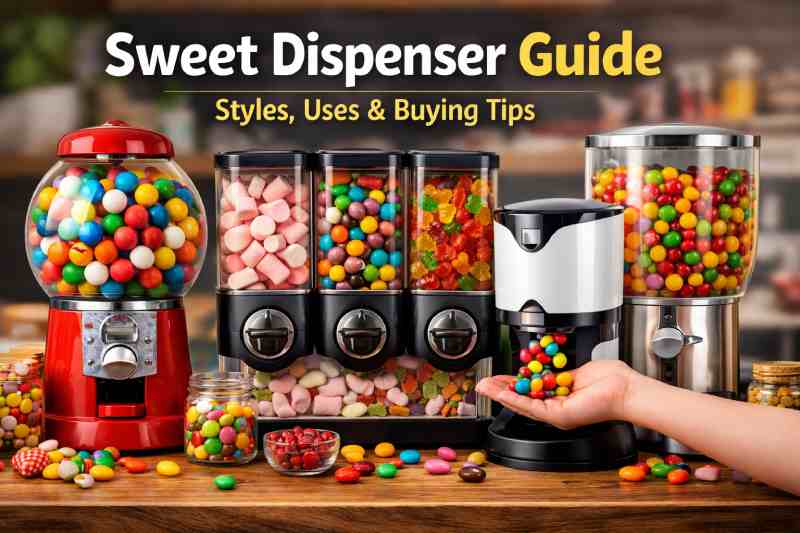
A sweet dispenser is more than a novelty item filled with colourful treats. Whether placed on a kitchen counter, a reception desk, a wedding table or in a retail environment, it combines convenience, hygiene and visual appeal in one clever device. In recent years, the sweet dispenser has evolved from a simple plastic container into a stylish, functional feature suitable for homes, events and commercial settings alike.
What Is a Sweet Dispenser?
A sweet dispenser is a container designed to store and release sweets in a controlled manner. Instead of reaching into a jar by hand, users turn a dial, press a lever or activate a sensor to receive a portion.
Originally popular in corner shops and cinemas, these devices are now widely used in domestic settings. Modern designs range from vintage tabletop models to sleek automatic units that complement contemporary interiors.
The primary benefits include:
- Improved hygiene
- Controlled portion sizes
- Reduced waste
- Attractive presentation
- Convenient self-service
The Evolution of the Sweet Dispenser
From Penny Sweets to Modern Design
In the early 20th century, mechanical candy machines were commonly found in shops. Customers would insert a coin and receive a handful of sweets or gumballs. Over time, the mechanism became simpler for domestic use, eliminating coin operation and focusing on ease and style.
Today’s sweet dispenser may feature:
- Touch-free motion sensors
- Airtight seals to preserve freshness
- Adjustable portion control
- Multi-compartment storage
- Durable BPA-free materials
This evolution has made them suitable not just for children’s treats but also for nuts, cereals, chocolate buttons and other small snacks.
Types of Sweet Dispenser
Choosing the right model depends on purpose, location and aesthetic preference.
Manual Dial Dispensers
These are the most common household version. Users twist a knob to release sweets through a chute. They are:
- Affordable
- Easy to refill
- Simple to clean
- Ideal for children
Manual versions often have a retro appearance with clear plastic or glass containers.
Gravity-Fed Models
Gravity-fed units allow sweets to fall naturally when a lever is pressed. They are commonly used in:
- Party buffets
- Retail pick-and-mix displays
- Office snack stations
They work best with dry, small items such as jelly beans or chocolate drops.
Automatic Touchless Units
An automatic sweet dispenser uses sensors to detect a hand placed beneath the outlet. These are particularly popular in modern kitchens because they reduce contact and improve hygiene.
Advantages include:
- Reduced contamination
- Sleek appearance
- Consistent portion control
However, they may require batteries or mains power.
Multi-Compartment Designs
These models allow storage of several sweet varieties in one device. Ideal for events or large families, they provide visual variety while saving space.
A multi-compartment sweet dispenser is especially effective for wedding sweet tables and children’s parties.
Why Households Love Using One
Hygiene and Cleanliness
Instead of multiple hands reaching into a jar, sweets are dispensed without direct contact. This is especially valuable in homes with children.
Portion Management
Parents often prefer controlled servings. A measured release prevents excessive snacking.
Decorative Appeal
A stylish sweet dispenser doubles as décor. Clear containers filled with colourful sweets can brighten kitchens, lounges or office spaces.
Convenience
Refilling and dispensing are straightforward, making it suitable for daily use.
Commercial and Event Uses
Businesses and event planners have discovered the practical benefits of a sweet dispenser.
Retail Environments
Shops selling confectionery use large gravity-fed units to encourage impulse purchases. Clear displays increase product visibility and attract customers.
Corporate Offices
Reception desks often feature small dispensers filled with wrapped sweets for visitors. It creates a welcoming atmosphere.
Weddings and Parties
Sweet tables are popular at celebrations. A well-arranged sweet dispenser display enhances presentation and reduces mess.
Materials and Build Quality
When selecting a unit, build quality matters.
Plastic
Lightweight and affordable, plastic models are common. Ensure they are BPA-free and durable.
Glass
Glass containers offer a premium look. They are heavier and more fragile but enhance aesthetics.
Metal Components
Stainless steel parts provide durability and longevity, particularly for commercial use.
A well-constructed sweet dispenser should feel sturdy, stable and easy to dismantle for cleaning.
Capacity Considerations
Capacity varies widely. Smaller models may hold 300–500 grams, suitable for home use. Larger commercial units can hold several kilograms.
When choosing size, consider:
- Frequency of use
- Available space
- Number of users
- Event duration (for parties)
Overfilling can affect dispensing efficiency, so always follow manufacturer guidelines.
How to Choose the Right One
Assess Your Purpose
Ask yourself:
- Is it for children at home?
- For a wedding or event?
- For retail or office use?
The intended setting determines size, durability and mechanism.
Consider Ease of Cleaning
Sweets can leave sticky residue. Look for designs that dismantle easily and have smooth interior surfaces.
Check Stability
A sweet dispenser should have a solid base to prevent tipping, particularly around children.
Match Your Interior Style
From vintage chrome finishes to minimalist matte black designs, choose a model that complements your space.
Maintenance and Cleaning Tips
Regular maintenance ensures hygiene and prolongs lifespan.
- Empty contents before cleaning.
- Wash removable parts with warm soapy water.
- Dry thoroughly to prevent clumping.
- Avoid harsh chemicals that damage plastic or seals.
For automatic units, remove batteries before cleaning and keep electronic components dry.
Creative Ways to Use One
A sweet dispenser need not be limited to confectionery.
Breakfast Station
Fill with cereal or granola for an organised morning routine.
Movie Night Treat Bar
Use separate containers for popcorn kernels, chocolate buttons and small sweets.
Holiday Displays
Seasonal sweets — such as chocolate eggs at Easter or festive candies at Christmas — create decorative impact.
Office Motivation Corner
Stock with small treats to boost morale during busy periods.
Health and Portion Awareness
Although sweets are enjoyable, moderation is essential. A sweet dispenser can support healthier habits by limiting quantity per turn. Some models allow adjustable serving sizes, making them practical for balanced snacking.
Parents can also use it as a reward system rather than unrestricted access.
Safety Considerations
- Keep out of reach of very young children.
- Avoid placing near heat sources.
- Ensure small parts are secure.
- Use wrapped sweets for younger users to reduce choking risks.
Proper supervision ensures safe enjoyment.
Environmental Considerations
Reusable containers reduce the need for disposable packaging. Buying sweets in bulk and storing them in a sweet dispenser may decrease plastic waste compared with individually packaged options.
Look for durable models designed to last for years rather than single-season novelty products.
Common Problems and Solutions
Sweets Getting Stuck
This usually happens with sticky or irregular shapes. Choose dry, uniform sweets for best performance.
Dispensing Too Much
Check portion settings or avoid overfilling.
Mechanism Jamming
Clean internal components regularly to prevent sugar build-up.
Proper maintenance keeps operation smooth.
Trends in Modern Designs
Recent trends include:
- Scandinavian minimalist aesthetics
- Matte finishes
- Touchless sensor technology
- Multi-use snack dispensers
- Stackable modular systems
The modern sweet dispenser blends practicality with interior design appeal.
FAQs
What sweets work best in a sweet dispenser?
Dry, small and uniform sweets such as jelly beans, chocolate buttons or coated nuts perform best. Sticky or oversized items may clog the mechanism.
Can a sweet dispenser be used for other snacks?
Yes. Many people use them for cereals, small crackers or nuts, provided the pieces are small enough to flow smoothly.
Is a sweet dispenser hygienic for parties?
Absolutely. It reduces direct hand contact compared with open bowls, making it ideal for events.
How often should it be cleaned?
For household use, clean it every one to two weeks, or immediately if sweets spill or stick inside.
Are automatic models worth it?
If hygiene and modern style are priorities, an automatic version can be a worthwhile investment, especially in shared spaces.
Conclusion
A sweet dispenser combines practicality, cleanliness and charm in one simple device. From retro tabletop designs to sleek sensor-activated models, it suits homes, offices and event settings alike. By choosing the right size, material and mechanism, you can enjoy controlled portions, improved hygiene and attractive presentation without fuss.