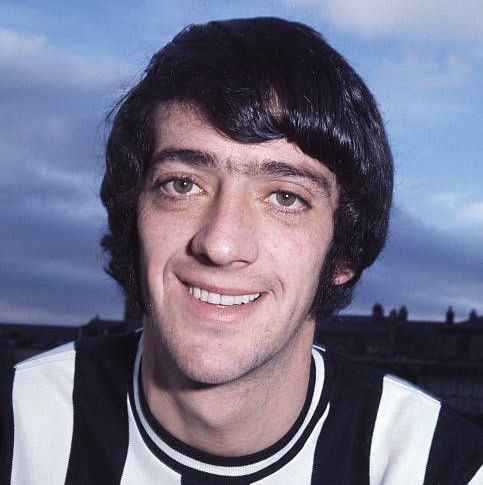
Football history often celebrates the loudest names, the most flamboyant scorers, and the figures who dominated headlines. Yet some players shape the game in subtler, more enduring ways. Terry Hibbitt belongs firmly in that latter category. A cultured midfielder with an intelligent passing range and a calm presence, he played a vital role for several prominent English clubs during a transformative period in the sport.
Early Life and Football Beginnings
Terry Hibbitt was born in Bradford, a city with a strong working-class football tradition. Like many young boys of his generation, football was not simply a pastime but a way of life. Street games, school competitions, and local youth football shaped his technical base long before professional opportunities emerged.
What set Hibbitt apart early on was not raw physical dominance or showmanship, but awareness. He read the game instinctively, positioning himself to receive the ball and move it quickly. Coaches noticed his composure, especially under pressure, and this quality became central to his development.
Joining the youth system of a top-flight club at a young age was a defining moment. It exposed him to higher tactical demands and professional discipline, laying the groundwork for a long and respectable career at senior level.
Breakthrough at Leeds United
Learning in a Demanding Environment
Terry Hibbitt’s early professional years were spent at Leeds United, a club renowned for intensity, organisation, and competitiveness. Breaking into the first team during this era was no small achievement. Leeds were stacked with established players, and competition for places was fierce.
Hibbitt’s appearances during this period were often rotational, yet each outing demonstrated his technical intelligence. He was trusted to keep possession, link defence to attack, and maintain structure when the game became chaotic.
Development as a Midfielder
At Leeds, he refined his passing range and positional sense. Training sessions were demanding, but they instilled a tactical maturity that would serve him throughout his career. Even when not a guaranteed starter, Hibbitt absorbed lessons from experienced teammates and elite opposition.
This stage of his career was less about personal statistics and more about football education. It gave him exposure to top-level competition and prepared him for a more central role elsewhere.
Flourishing at Newcastle United
Becoming a First-Team Regular
The move to Newcastle United marked a turning point. At Newcastle, Terry Hibbitt found regular first-team football and the freedom to express his natural game. He quickly became an integral part of the midfield, valued for reliability rather than flair alone.
Supporters appreciated his calm approach. In matches where emotions ran high, Hibbitt brought balance. He recycled possession, dictated tempo, and allowed attacking players to operate with confidence.
Partnership and Team Influence
Hibbitt’s influence extended beyond individual performance. He complemented more aggressive or creative teammates, forming partnerships that enhanced the overall shape of the side. His understanding of space and timing made Newcastle’s midfield more cohesive.
During this period, he featured in significant domestic competitions and high-pressure fixtures. While not always in the spotlight, his role was essential in maintaining consistency across long seasons.
Connection with Supporters
Newcastle supporters are known for their passion and loyalty, and they value players who show commitment and intelligence. Terry Hibbitt earned their respect through steady performances rather than dramatic moments. Over time, he became a familiar and trusted figure, remembered fondly by those who watched him week after week.
Time at Birmingham City
Experience and Leadership
After establishing himself in the north-east, Hibbitt moved to Birmingham City. By this stage, he was an experienced professional, capable of guiding younger players and stabilising midfield play.
At Birmingham, his leadership qualities became more evident. He understood game management, when to slow play, and when to push forward. Managers relied on him during difficult periods, knowing he would deliver dependable performances.
Tactical Adaptability
Football styles varied between clubs, and Terry Hibbitt adapted smoothly. Whether asked to sit deeper or support attacking moves, he adjusted without fuss. This adaptability extended his career and increased his value to managers seeking balance rather than spectacle.
Later Career and Transition Beyond the Top Flight
Non-League Football and Player-Manager Role
As his top-flight career wound down, Hibbitt continued playing in non-league football. Far from being a step back, this phase allowed him to share experience with younger players and contribute to clubs in different ways.
Taking on a player-manager role later in his career reflected his football intelligence and leadership. Managing teammates while still playing demands deep understanding of the game, communication skills, and emotional awareness. Hibbitt approached this responsibility with the same calm professionalism that defined his playing days.
A Lifelong Connection to Football
Even as physical demands increased with age, his love for football never faded. Whether on the pitch or guiding others from the sidelines, Terry Hibbitt remained connected to the sport that shaped his life.
Playing Style and Football Intelligence
The Art of Simplicity
Terry Hibbitt’s playing style was built on simplicity executed at a high level. He did not rely on flashy dribbles or long-range goals. Instead, he focused on making the right decision at the right moment.
His passing was accurate and purposeful. Short passes maintained rhythm, while longer balls switched play effectively. This understated approach often goes unnoticed in highlight reels but is vital to team success.
Tactical Awareness
One of Hibbitt’s strongest qualities was positional intelligence. He anticipated opposition movements, intercepted passes, and offered passing options to teammates under pressure. This awareness reduced mistakes and increased overall team stability.
Professionalism and Consistency
Across different clubs and leagues, his professionalism never wavered. Coaches trusted him, teammates relied on him, and supporters respected him. In an era before sports science and global media, such consistency was a hallmark of true professionals.
Personal Life and Character
Away from the pitch, Terry Hibbitt was known as a grounded and private individual. He avoided unnecessary attention, focusing instead on family and football. This modest approach mirrored his playing style and reinforced his reputation as a dependable professional.
His passing at a relatively young age was deeply felt by those who knew him personally and professionally. Former teammates and supporters remembered not only his football ability but also his character and humility.
Legacy in English Football
Terry Hibbitt’s legacy is not defined by trophies alone or international caps. It lies in the example he set as a footballer who valued intelligence, teamwork, and professionalism.
He represents a generation of players who understood the game deeply and contributed quietly to their teams’ success. For students of football history, his career offers valuable lessons about the importance of balance, discipline, and respect for the fundamentals of the sport.
FAQs
Who was Terry Hibbitt?
Terry Hibbitt was an English professional footballer known for his career as a midfielder with clubs such as Leeds United, Newcastle United, and Birmingham City.
What position did Terry Hibbitt play?
He primarily played as a central midfielder, valued for his passing, positional awareness, and ability to control the tempo of matches.
Which club is Terry Hibbitt most associated with?
He is most fondly associated with Newcastle United, where he enjoyed regular first-team football and became a respected figure among supporters.
Was Terry Hibbitt known for scoring goals?
No, his reputation was built more on creativity, consistency, and teamwork rather than goal-scoring.
Did Terry Hibbitt move into management?
Yes, later in his career he took on a player-manager role, reflecting his football intelligence and leadership qualities.
Conclusion
Terry Hibbitt may never be counted among football’s most famous names, but his contribution to English football remains significant. Through intelligence, professionalism, and quiet consistency, he shaped matches and supported teams across multiple levels of the game. His career serves as a reminder that football’s true craftsmen are often those who work away from the spotlight, ensuring that everything else functions smoothly.