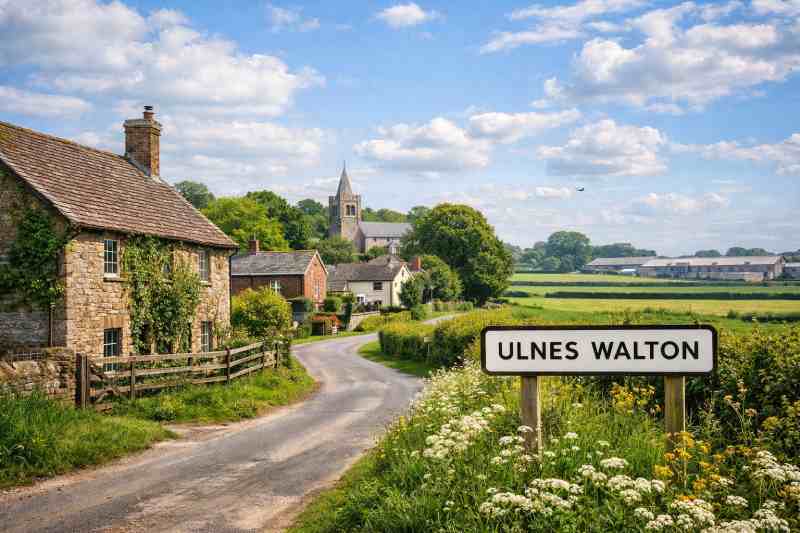
Nestled in the heart of Lancashire’s rich countryside, Ulnes Walton stands as a quiet yet historically significant village that beautifully reflects the character of rural North West England. While it may not be as widely recognised as larger neighbouring towns, this charming parish offers a compelling blend of heritage, agricultural tradition and close-knit community life. For those seeking an authentic glimpse into traditional English village culture, ulnes walton provides far more than meets the eye.
Location and Setting of Ulnes Walton
A Village in the Lancashire Countryside
Ulnes walton lies approximately eight miles south-west of Preston and sits within the PR26 postcode district. Surrounded by open farmland, hedgerows and gently winding lanes, the village retains a distinctly rural atmosphere. Unlike more urbanised settlements, development here has remained modest, preserving its agricultural roots and peaceful environment.
The parish covers a fairly broad area relative to its population, with scattered farmhouses, historic buildings and residential properties blending into the surrounding countryside. Its proximity to Leyland and Chorley provides residents with convenient access to larger commercial centres while maintaining the tranquillity of village life.
Accessibility and Transport
Although rural in character, ulnes walton benefits from reasonable transport connections. Nearby towns offer rail services to Preston, Manchester and Liverpool, making commuting feasible for those working in urban areas. The M6 motorway is also within easy reach, linking the village to the wider North West region.
Despite these connections, traffic within the parish itself remains light, contributing to its quiet charm.
Historical Background of Ulnes Walton
Early Origins and Name Meaning
The name ulnes walton is believed to derive from Old Norse and Old English influences. The “Walton” element often refers to a settlement or farmstead, while “Ulnes” is thought to be linked to a Norse personal name. This suggests that the area may have had Scandinavian connections during the Viking period, as did many parts of Lancashire.
Historical records indicate that the township formed part of the ancient parish of Croston. Like many Lancashire villages, ulnes walton developed primarily as an agricultural settlement, with farming shaping both its economy and landscape for centuries.
Medieval and Post-Medieval Development
During medieval times, the land in and around ulnes walton would have been divided among local landowners and worked by tenant farmers. The agricultural system formed the backbone of daily life. Over time, farmhouses were rebuilt in stone and brick, many of which still stand today as listed buildings.
In later centuries, modest expansion occurred, but industrialisation never dramatically transformed the parish. This absence of heavy industry helped preserve its rural character, setting it apart from other parts of Lancashire that experienced rapid urban growth during the Industrial Revolution.
Architecture and Listed Buildings
Historic Farmhouses and Structures
One of the most appealing aspects of ulnes walton is its collection of Grade II listed buildings. These structures, often dating back to the seventeenth and eighteenth centuries, reflect traditional Lancashire architectural styles. Stone-built farmhouses, barns and cottages dot the landscape, showcasing craftsmanship that has endured for generations.
The use of local materials, simple rectangular forms and traditional slate roofs gives the parish a cohesive visual identity. Many of these buildings remain private residences, carefully maintained to preserve their historic character.
Religious and Community Landmarks
Although small in size, ulnes walton contains places of worship and community spaces that serve as focal points for residents. Historically, villagers would have travelled to nearby Croston for certain religious services, reinforcing the close relationship between neighbouring parishes.
Wayside crosses and historical markers in the surrounding area hint at older religious traditions, including ancient coffin routes once used for transporting the deceased to parish churches.
Community Life in Ulnes Walton
A Close-Knit Parish
Life in ulnes walton is shaped by its modest population and rural setting. With just a few thousand residents, the sense of familiarity and neighbourliness remains strong. Parish council meetings, local events and community initiatives foster engagement among residents.
Village life here tends to revolve around schools, local businesses and agricultural activities. While amenities are limited compared to urban centres, the trade-off is a peaceful, safe environment that many families find appealing.
Parish Council and Local Governance
Ulnes walton is governed at the most local level by its parish council, which addresses planning applications, community concerns and minor infrastructure matters. Being part of the Borough of Chorley means that broader administrative responsibilities are handled at district level.
The parish council plays an important role in maintaining the rural character of the village, ensuring that development remains sympathetic to its historic setting.
Agriculture and Rural Economy
Farming as a Foundation
Agriculture remains central to the identity of ulnes walton. Fields used for grazing and crop cultivation surround the village, and farming families often have deep generational ties to the land. Dairy farming, livestock rearing and arable production have long been staples of the local economy.
While modern agricultural practices have evolved, the visual impression of farmland stretching across the parish remains largely unchanged.
Small Businesses and Services
In addition to farming, small enterprises operate within and around ulnes walton. These may include agricultural suppliers, rural tradespeople and local service providers. Many residents also commute to nearby towns for employment, balancing rural living with professional careers elsewhere.
Education and Nearby Amenities
Schools and Learning
Families in ulnes walton typically rely on local primary schools within the parish or nearby villages. Secondary education is available in Leyland and Chorley, both of which offer established schools and colleges.
The village’s rural surroundings provide children with access to outdoor activities and a safe environment in which to grow up.
Shopping and Recreation
For shopping, dining and leisure, residents generally travel to neighbouring towns. Leyland and Chorley provide supermarkets, retail parks and entertainment facilities. However, many people appreciate returning home to the quiet lanes and open skies of ulnes walton after a busy day elsewhere.
Walking and cycling are popular recreational activities, thanks to the scenic countryside and relatively low traffic levels.
Notable Features Within the Parish
Presence of Major Institutions
An unusual aspect of ulnes walton is that it encompasses land containing two well-known correctional institutions: HMP Garth and HMP Wymott. Though often associated with Leyland due to proximity, both are technically situated within the parish boundaries.
Their presence has influenced local employment patterns, providing jobs for some residents. However, the institutions are located away from the central residential areas, meaning village life itself remains largely unaffected.
Landscape and Environment
The landscape of ulnes walton is defined by open fields, drainage ditches, hedgerows and traditional farm tracks. Seasonal changes bring distinct character to the countryside, from vibrant green fields in spring to golden harvest scenes in late summer.
Wildlife is abundant, with birds, small mammals and insects thriving in the hedgerow habitats that criss-cross the parish.
Modern Challenges and Preservation
Balancing Development and Heritage
Like many rural communities, ulnes walton faces the ongoing challenge of accommodating housing demand without compromising its historic identity. Planning decisions must strike a careful balance between growth and conservation.
Residents often value the preservation of green spaces and traditional architecture, making community consultation an important part of development discussions.
Sustainability and Rural Living
Sustainability has become increasingly relevant in rural parishes. Farming practices, energy use and transport options all play roles in shaping the future of ulnes walton. Efforts to maintain biodiversity and reduce environmental impact are gradually influencing local decision-making.
Cultural Identity and Sense of Place
Pride in Local Heritage
Although small, ulnes walton carries a strong sense of pride rooted in its history and rural lifestyle. Generations of families have lived and worked in the area, creating deep attachments to place.
Local traditions, community gatherings and agricultural events reinforce this identity. Even those who commute elsewhere for work often maintain strong ties to the parish.
A Village That Moves at Its Own Pace
One of the defining characteristics of ulnes walton is its unhurried pace of life. In contrast to the rapid development seen in nearby towns, this village retains a steady rhythm shaped by the seasons and agricultural cycles.
For many, this slower pace is precisely what makes living here so appealing.
FAQs
Where is ulnes walton located?
Ulnes walton is situated in Lancashire, England, within the Borough of Chorley, between Croston and Leyland, around eight miles south-west of Preston.
Is ulnes walton a large village?
No, ulnes walton is a small rural parish with a modest population of just over two thousand residents, maintaining a quiet countryside atmosphere.
What is ulnes walton known for?
Ulnes walton is known for its agricultural heritage, listed historic buildings and the presence of two correctional institutions within its parish boundaries.
Are there schools in ulnes walton?
Yes, primary education is available locally or nearby, while secondary schools can be found in neighbouring towns such as Leyland and Chorley.
Is ulnes walton a good place to live?
Many residents appreciate ulnes walton for its peaceful environment, strong community spirit and access to countryside while remaining close to larger towns.
Conclusion
Ulnes walton may not feature prominently on tourist maps, yet it represents an enduring example of Lancashire’s rural heritage. From its Norse-influenced name and centuries-old farmhouses to its agricultural traditions and modern parish governance, the village embodies a continuity rarely found in rapidly developing regions.