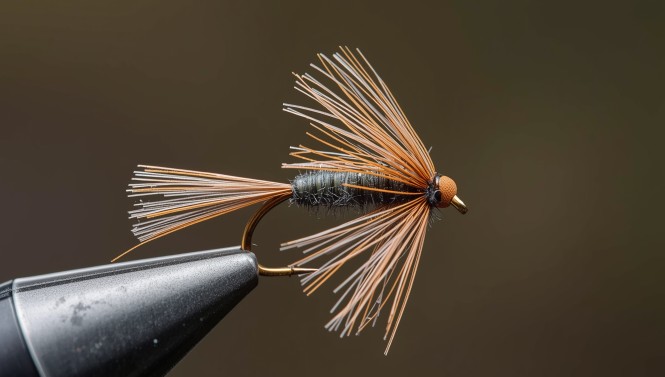
The Booby Fluga is one of the most effective and misunderstood fly patterns in modern fly fishing. Loved by stillwater anglers and feared by wary trout, this distinctive fly has earned a solid reputation for producing results when other patterns fail. Whether you are fishing pressured waters, cold conditions, or deep reservoirs, the booby fluga offers a unique combination of visibility, buoyancy, and movement that triggers aggressive takes.
What Is a Booby Fluga?
A booby fluga is a type of fly fishing lure primarily used in stillwater fishing. The word “fluga” simply means “fly” in several Scandinavian languages, and the term is commonly used by anglers across Europe. Combined with “booby”, it refers to a fly pattern that uses buoyant eyes or heads to create lift in the water.
Unlike dry flies that float on the surface or nymphs that sink naturally, the booby fluga is engineered to rise upward. When fished on a sinking or intermediate line, it hovers above the lakebed, weed beds, or silt, placing it directly in the trout’s feeding zone.
The Origins of the Booby Fluga
The booby fluga first gained popularity in competitive fly fishing circles, particularly in reservoir and stillwater competitions. Anglers needed a fly that could remain visible and effective at depth without dragging through debris or becoming lost in vegetation.
By adding buoyant foam eyes or heads, anglers discovered they could control the fly’s depth precisely using line choice rather than fly weight. This innovation revolutionised stillwater tactics and quickly spread beyond competition fishing into recreational angling.
Anatomy of a Booby Fluga
Buoyant Eyes or Head
The defining feature of a booby fluga is its buoyant eyes. These are usually made from foam or other floating materials. They provide lift and also act as a visual trigger, resembling eyes, air bubbles, or food particles.
Short, Compact Body
Booby fluga patterns are typically short and compact. This prevents excessive drag and allows the fly to move freely. The body is often made from chenille, fritz, or dubbing.
Colour and Contrast
Booby fluga patterns are available in a wide range of colours, from subtle olives and blacks to highly visible pinks, oranges, and whites. High-contrast colour combinations are especially effective in murky water or low light.
Hook Design
Most booby fluga patterns are tied on strong, wide-gape hooks to improve hooking efficiency. Because trout often hit boobies aggressively, a reliable hook is essential.
Why Booby Fluga Works So Well
Controlled Depth Presentation
One of the biggest advantages of the booby fluga is depth control. Instead of relying on split shot or heavy flies, anglers adjust the depth by changing fly lines. The fly naturally rises, maintaining a consistent position in the water column.
Increased Visibility
The buoyant eyes and bright colours make the booby fluga highly visible. Trout can spot it from a distance, even in deep or coloured water.
Natural Hovering Action
When retrieved slowly, the booby fluga rises and falls subtly, mimicking injured prey or emerging insects. This movement is incredibly effective at triggering instinctive strikes.
Reduced Snagging
Because the booby fluga floats upward, it avoids snagging on weeds, rocks, and debris. This makes it ideal for fishing close to the bottom where trout often patrol.
When to Use a Booby Fluga
Cold Water Conditions
In colder months, trout tend to feed deeper and move less. The booby fluga allows you to present a fly slowly and precisely at depth without spooking fish.
Pressured Fisheries
On heavily fished waters, trout become cautious. The unusual movement and profile of a booby fluga can provoke curiosity and aggression when standard patterns are ignored.
Deep Stillwaters and Reservoirs
Booby fluga patterns excel in deep lakes and reservoirs where fish are holding well below the surface.
Murky or Low-Light Conditions
Brightly coloured booby fluga patterns stand out in poor visibility, making them effective early in the morning, late in the evening, or after heavy rain.
How to Fish a Booby Fluga Effectively
Choosing the Right Line
The booby fluga is almost always fished on a sinking or intermediate fly line. Fast-sinking lines are ideal for deep water, while slow-sinking or intermediate lines suit shallower areas.
Leader Setup
A short leader is typically best when fishing a booby fluga. This helps maintain control and keeps the fly in the desired zone. Many anglers use leaders between three and six feet.
Retrieval Techniques
Slow figure-of-eight retrieves are highly effective. Long pauses can also be deadly, allowing the booby fluga to rise enticingly. In some situations, short, sharp pulls can trigger reaction strikes.
Fishing as Part of a Team
Booby fluga patterns are often fished as part of a team of flies. Positioned as the point fly, the booby fluga controls depth while smaller flies trail behind, covering multiple feeding zones.
Common Booby Fluga Variations
Blob Booby
Combines the buoyancy of a booby with the colour and texture of a blob fly. Extremely effective in stocked waters.
Cats Whisker Booby
Incorporates marabou or hair to add movement, making it deadly for rainbow trout.
Mini Booby Fluga
Smaller versions designed for wary fish or clear water conditions.
Natural Tones Booby
Uses olives, browns, and blacks to imitate natural prey in clear or lightly fished waters.
Mistakes to Avoid When Using Booby Fluga
One common mistake is fishing the booby fluga too fast. This fly works best with controlled, deliberate movement. Another error is using leaders that are too long, which reduces depth control. Finally, anglers sometimes rely too heavily on bright colours when more subtle patterns would be more effective.
Ethical and Safety Considerations
Because booby fluga patterns are often fished deep and aggressively taken, it is important to use barbless hooks where required and handle fish carefully. Some fisheries have specific rules regarding buoyant flies, so always check local regulations before fishing.
FAQs
What fish species can be caught with a booby fluga?
Booby fluga patterns are most commonly used for trout, especially rainbow and brown trout, but they can also attract other predatory fish in stillwaters.
Is a booby fluga suitable for beginners?
Yes, the booby fluga is beginner-friendly, particularly because it simplifies depth control and reduces snagging.
Can a booby fluga be used in rivers?
While primarily designed for stillwaters, a booby fluga can be used in slow-moving rivers or pools, though it is less effective in fast currents.
What colours of booby fluga work best?
Bright colours like pink, orange, and white work well in murky water, while natural colours are better in clear conditions.
Do booby fluga flies damage fish more than other flies?
When used responsibly with appropriate hooks and handling, booby fluga patterns are no more harmful than other artificial flies.
Conclusion
The booby fluga is far more than a novelty fly. It is a highly effective, versatile pattern that has transformed stillwater fly fishing. By offering precise depth control, excellent visibility, and an irresistible hovering action, the booby fluga consistently produces results when other flies fail.
Whether you are a beginner looking for an easier way to fish deep water or an experienced angler searching for an edge on pressured fisheries, the booby fluga deserves a permanent place in your fly box. Master its use, and you will quickly understand why it remains one of the most reliable flies in modern trout fishing.