Richard Dannatt: The Soldier, Strategist and Public Voice Who Shaped Modern Britain’s Military Debate

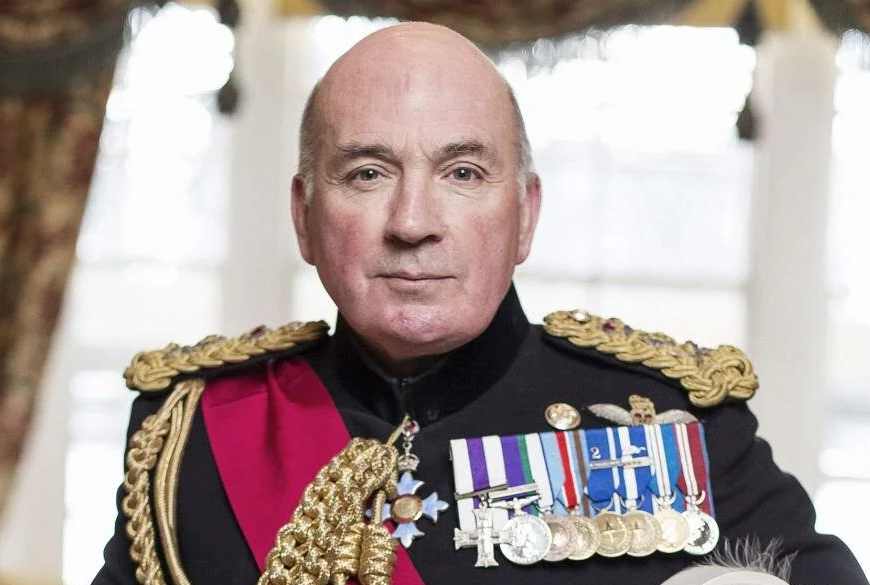
Richard Dannatt is one of the most recognisable and influential military figures in modern British history. Known for his distinguished service in the British Army, his leadership during a difficult period of overseas conflict, and his outspoken commentary on defence policy, Richard Dannatt has occupied a unique place in the public life of the United Kingdom. Few military leaders have moved so seamlessly from operational command into national public debate while continuing to shape conversations about war, leadership, veterans, and Britain’s role in the world.
As a former Chief of the General Staff, Richard Dannatt became a defining figure during a period when British troops were heavily engaged in Iraq and Afghanistan. His tenure was marked not only by battlefield realities but also by his willingness to speak candidly about military overstretch, troop welfare, and strategic failings. That frankness made him admired by many, controversial to some, and impossible to ignore.
Early Life and Background of Richard Dannatt
Richard Dannatt was born on 23 December 1950 in Essex, England. Raised in a disciplined and values-driven environment, he developed an early interest in service, duty, and leadership. His upbringing reflected many of the qualities that would later define his military career: resilience, moral seriousness, and a strong sense of national responsibility.
Educated at Felsted School, a respected independent school in Essex, he showed early promise as both a thinker and leader. His academic formation, combined with his interest in military life, naturally led him towards Sandhurst, the Royal Military Academy, where Britain trains its army officers.
At Sandhurst, Richard Dannatt refined the leadership qualities that would later distinguish him in senior command. His training laid the foundation for a career that would span nearly four decades.
Military Career Beginnings
Richard Dannatt was commissioned into The Green Howards regiment in 1971. This marked the start of a long and decorated military career. As a young officer, he quickly gained a reputation for professionalism, discipline, and calm decision-making under pressure.
During his early years in uniform, he served in several key operational environments, including Northern Ireland during the Troubles. This period was particularly demanding for British officers, requiring both tactical precision and political awareness. Dannatt demonstrated an ability to navigate complex and tense conditions while maintaining operational effectiveness.
His early career also included postings in Germany, reflecting Britain’s Cold War military commitments in Europe. These experiences broadened his understanding of multinational defence strategy and coalition military structures.
Rising Through the Ranks
Richard Dannatt’s rise through the British Army ranks was steady and earned through merit. Over the years, he held increasingly senior commands, demonstrating skill in leadership at both tactical and strategic levels.
Among his important appointments were:
- Commander of 4th Armoured Brigade
- Commander of 3rd Mechanised Division
- Commander of the Allied Rapid Reaction Corps
Each role increased his responsibility and influence. By the time he entered senior army leadership, Dannatt had acquired extensive operational experience across Europe and conflict zones.
His command style was often described as direct, disciplined, and principled. Colleagues frequently noted his willingness to confront difficult truths rather than avoid uncomfortable realities.
Leadership in Northern Ireland, Bosnia and Kosovo
One of Richard Dannatt’s defining strengths was his operational experience in conflict environments that required more than conventional battlefield command.
In Northern Ireland, British forces faced an insurgency that demanded intelligence-led operations, political sensitivity, and restraint. Dannatt gained first-hand experience of the complexities of modern asymmetric conflict.
In Bosnia and Kosovo, he worked in multinational peacekeeping and stabilisation operations. These deployments deepened his understanding of post-Cold War military interventions, humanitarian crises, and NATO cooperation.
Such experiences shaped his later views on Iraq and Afghanistan, where he often argued that military force alone could not solve political failures.
Becoming Chief of the General Staff
In 2006, Richard Dannatt became Chief of the General Staff, the professional head of the British Army. This was the most senior role in the Army and placed him at the centre of Britain’s defence establishment.
His appointment came at a turbulent time. British forces were deeply committed in both Iraq and Afghanistan, and military resources were stretched to dangerous levels. Troops faced equipment shortages, rising casualties, and unclear political strategies.
As Chief of the General Staff, Richard Dannatt immediately became known for speaking openly about these pressures.
Unlike some predecessors who maintained strict public discretion, Dannatt chose transparency. He voiced concerns over:
- Insufficient troop numbers
- Equipment shortages, particularly armoured vehicles
- Strategic overstretch across multiple war zones
- Pressure on service families and veterans
His candour drew significant public attention.
The Iraq War Criticism That Changed Public Debate
One of the most defining moments in Richard Dannatt’s public life came when he openly criticised aspects of Britain’s Iraq involvement.
In interviews and public remarks, he suggested that the British Army was overstretched and implied that the Iraq mission had created strategic strain. His comments were remarkable because serving senior military officers traditionally avoided public criticism of government policy.
Dannatt argued that soldiers were being placed under immense pressure without adequate support or clear political direction. His concerns resonated strongly with both the public and many within the armed forces.
For some, he was a courageous truth-teller defending troops. For others, he risked blurring the constitutional line between military advice and political debate.
Regardless of opinion, Richard Dannatt changed expectations about how senior military leaders engage with national policy discussions.
Afghanistan and the Fight for Troop Protection
Afghanistan became another central issue during Richard Dannatt’s leadership.
British troops were increasingly engaged in dangerous operations in Helmand Province, facing insurgent attacks, roadside bombs, and harsh terrain. Dannatt became a vocal advocate for better protection for deployed personnel.
He pushed strongly for:
- Improved armoured vehicles
- Better protective equipment
- Faster procurement systems
- Stronger support for wounded veterans
His insistence on troop welfare helped force greater public scrutiny of defence procurement failures.
Many soldiers and their families regarded him as a leader who genuinely fought for those serving on the front line.
Retirement from the Army
Richard Dannatt retired from active military service in 2009 after nearly 40 years in uniform.
His retirement marked the end of a highly visible and influential military career, but it did not remove him from public life. In many ways, his post-army years expanded his national influence even further.
His departure from the Army was widely seen as the retirement of a soldier who had reshaped the relationship between military leadership and public accountability.
Constable of the Tower of London
After retiring, Richard Dannatt became Constable of the Tower of London, serving from 2009 to 2016.
This historic role carries ceremonial significance and reflects high national honour. The appointment recognised his distinguished military service and public standing.
Though ceremonial, the position kept him in public view and reinforced his symbolic role as a respected national military figure.
Richard Dannatt in the House of Lords
In 2011, Richard Dannatt entered the House of Lords as a Crossbench life peer, becoming Baron Dannatt.
As a Crossbench peer, he sits independently rather than aligning with any political party. This position reflects his preference for independent judgement.
In the Lords, he has spoken on issues including:
- National defence policy
- Veterans’ welfare
- Armed forces reform
- International security threats
His contributions continue to carry weight because of his operational credibility and strategic experience.
Public Commentary and Media Influence
Richard Dannatt remains one of Britain’s most quoted former military leaders in national media.
He regularly comments on:
- British defence cuts
- NATO security concerns
- Russia-related threats
- Military readiness
- Veteran support systems
His media appearances are notable for their clarity, seriousness, and refusal to use vague language. Even critics acknowledge that he speaks with unusual directness.
This visibility has kept him influential long after leaving uniform.
Leadership Style and Personal Philosophy
Richard Dannatt’s leadership style combines discipline with moral conviction.
Several principles define his public and military persona:
Honesty Over Comfort
He has consistently preferred telling difficult truths rather than protecting institutional appearances.
Troops First
Throughout his career, his public interventions often centred on the welfare of ordinary soldiers.
Moral Responsibility
Dannatt has frequently framed military leadership as an ethical duty, not merely a strategic one.
Strategic Realism
He has warned repeatedly against political optimism unsupported by military reality.
These qualities explain why he commands respect across military and civilian audiences alike.
Criticism and Controversies
Richard Dannatt’s outspoken approach has not been free from controversy.
Critics have argued that:
- He sometimes blurred military neutrality
- Public criticism risked undermining elected government authority
- Senior officers should remain less visible in political debate
More recently, scrutiny has also emerged regarding lobbying-related allegations connected to House of Lords conduct concerns.
Such controversies have complicated but not erased his reputation. Even detractors often acknowledge his sincerity and commitment.
Richard Dannatt’s Legacy in British Military History
Richard Dannatt’s legacy is substantial and likely enduring.
He will be remembered as:
- A reform-minded Army chief during wartime strain
- A defender of soldier welfare
- A military leader willing to challenge government narratives
- A public advocate for veterans and defence realism
His tenure changed how Britons understand military leadership. He demonstrated that senior commanders can shape public policy debates without abandoning professional integrity.
Richard Dannatt and Britain’s Changing Defence Landscape
Modern Britain faces new defence challenges: cyber warfare, shifting alliances, recruitment pressures, and global instability.
Richard Dannatt’s warnings about preparedness, troop strength, and strategic clarity remain highly relevant. Many of his concerns about overstretch and underfunding continue to echo in defence debates today.
His career serves as both historical case study and ongoing cautionary lesson.
FAQs
Why is Richard Dannatt famous in Britain?
Richard Dannatt is famous for serving as Chief of the General Staff and for publicly criticising military overstretch during the Iraq and Afghanistan wars.
Did Richard Dannatt serve in combat zones?
Yes, Richard Dannatt served in Northern Ireland, Bosnia, Kosovo, and other operational military theatres during his Army career.
What role does Richard Dannatt hold today?
Richard Dannatt is a life peer in the House of Lords, where he contributes independently as a Crossbench member.
Conclusion
Richard Dannatt stands as one of the most important British military figures of the twenty-first century. His career reflects not only battlefield leadership but also moral courage in confronting uncomfortable truths about war, policy, and national responsibility.
From his early days in The Green Howards to the highest ranks of Army command, and from the Tower of London to the House of Lords, Richard Dannatt has remained guided by duty, candour, and principle. His influence continues to shape British military thinking, public accountability, and defence debate in profound ways.