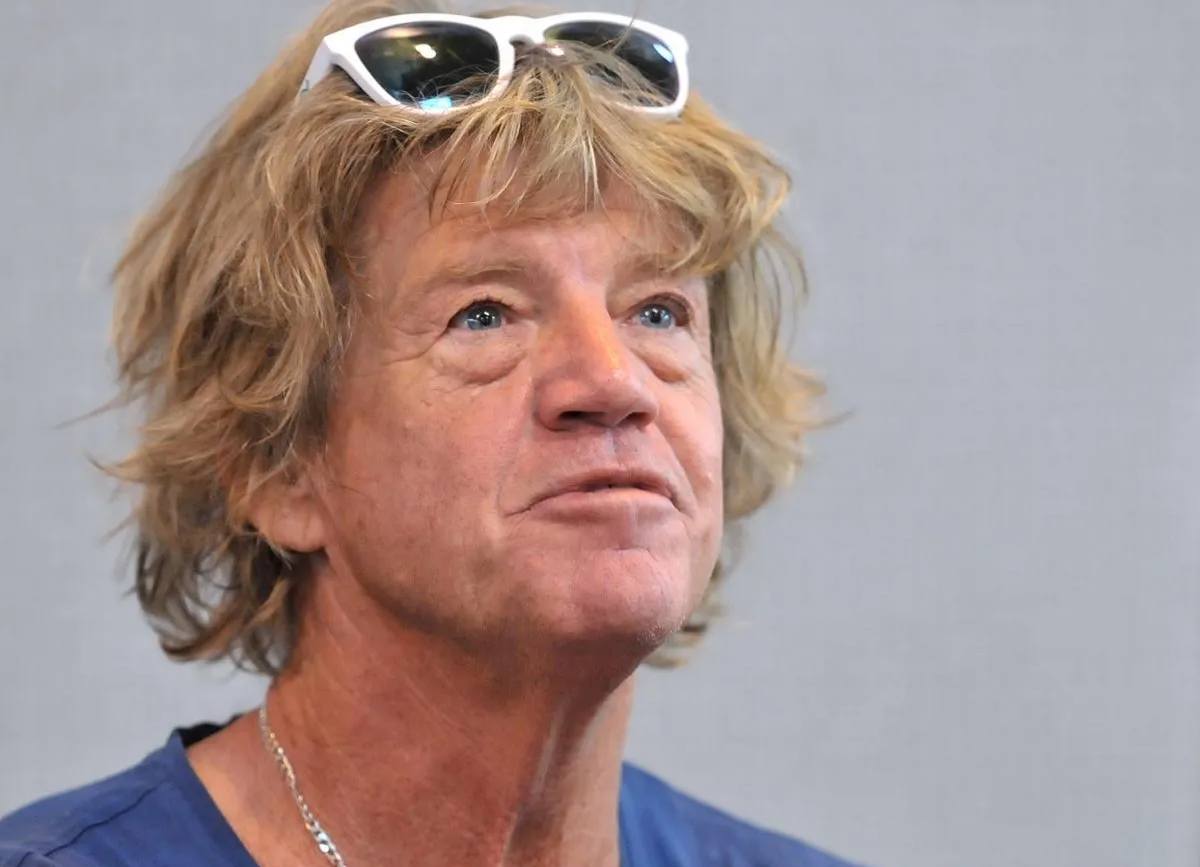
Robin Askwith became one of the most recognizable faces in British comedy during the 1970s. Known for his cheeky humor, charismatic screen presence, and unforgettable performances, Askwith built a career that has lasted for decades. While many younger audiences know him mainly from the famous Confessions films, his contribution to British television and cinema goes far beyond that single franchise.
Born in Southport, Lancashire, Robin Askwith entered the entertainment industry at a young age. He trained professionally in acting and quickly developed a reputation for being versatile and energetic on screen. Unlike many actors who remain confined to one genre, Askwith experimented with comedy, drama, stage performances, and even musical projects throughout his career.
During the height of British comedy cinema, Askwith became a cultural phenomenon. His films attracted huge audiences across the United Kingdom, and his style reflected the relaxed and playful spirit of the 1970s. Although critics sometimes underestimated comedy actors during that period, many modern viewers now appreciate how influential his performances actually were.
Early Life and Family Background
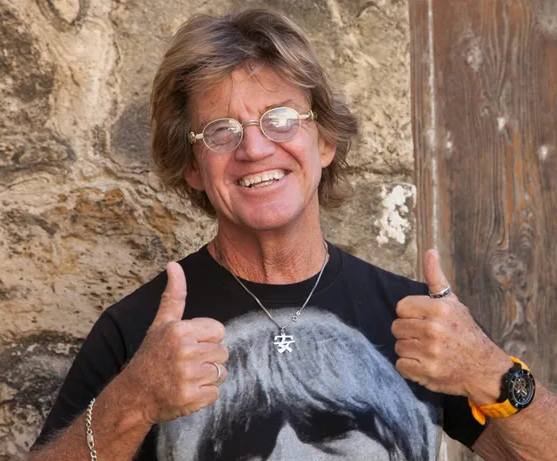
Robin Askwith was born on October 12, 1950, into a family with artistic and entertainment connections. His upbringing played an important role in shaping his confidence and creativity. Growing up in a supportive environment allowed him to pursue acting seriously from an early age.
Members of the Askwith family, including Nelson Askwith, Hazel Askwith, Jeremy Askwith, and Jacky Askwith, are often mentioned when discussing his personal background and family roots. Although Robin Askwith became the most publicly recognized name, his family connections remained important throughout his life and career.
As a child, Askwith faced health challenges, including polio. Overcoming such difficulties at a young age gave him resilience and determination. Many actors from his generation spoke about the hardships of entering the entertainment industry, but Askwith managed to stand out because of his natural charisma and ability to connect with audiences.
He studied acting formally and developed his performance skills long before achieving mainstream fame. Those early years of training helped him adapt easily to both dramatic and comedic roles later in his career. Even in his earliest screen appearances, there was already evidence of the confident personality that would later define his public image.
Breaking Into Film and Television
Robin Askwith’s early acting career was surprisingly diverse. Before becoming associated mainly with comedy, he appeared in serious productions that demonstrated his acting range. One of his earliest appearances came in the critically respected film If…. directed by Lindsay Anderson.
This early exposure introduced him to major filmmakers and industry professionals. Throughout the late 1960s and early 1970s, Askwith appeared in several British productions that allowed him to gain experience in front of the camera. These roles may not have made him instantly famous, but they established him as a reliable young actor.
Unlike many performers who struggle for years before recognition, Askwith gradually built momentum through steady work. Casting directors noticed his ability to combine humor with relatability. He had a screen presence that felt approachable, which later became one of the key reasons audiences connected with him so strongly.
Television also became an important part of his development. British television during that era was rapidly expanding, and actors who could adapt to different formats had significant opportunities. Askwith’s appearances on television helped him become familiar to viewers even before his biggest film success arrived.
The Confessions Films and Nationwide Fame
The turning point in Robin Askwith’s career came with the Confessions film series. Beginning with Confessions of a Window Cleaner in 1974, the franchise became an enormous commercial success in the United Kingdom. The films combined cheeky humor, awkward situations, and lighthearted storytelling that perfectly matched the entertainment tastes of the decade.
Askwith played Timothy Lea, a lovable but accident-prone character who constantly found himself in embarrassing situations. His performance made the character instantly memorable. Rather than portraying Timothy as arrogant or overly confident, Askwith gave him a humorous innocence that audiences found charming.
The success of the first film led to multiple sequels, including Confessions of a Pop Performer, Confessions of a Driving Instructor, and Confessions from a Holiday Camp. Each release strengthened Askwith’s reputation as one of Britain’s top comedy stars. At the box office, these films performed remarkably well and became part of British pop culture history.
Although some critics dismissed the films as simple comedy entertainment, their popularity demonstrated how effectively Askwith connected with mainstream audiences. Even decades later, the Confessions series remains closely associated with 1970s British cinema and continues to attract nostalgic viewers.
Robin Askwith’s Acting Style and Public Appeal
One reason Robin Askwith remained popular for so many years was his highly distinctive acting style. He never tried to present himself as a polished Hollywood-style leading man. Instead, he embraced awkwardness, vulnerability, and everyday humor in a way that felt genuine.
Audiences appreciated that his characters often seemed relatable rather than perfect. Whether playing a confused young man, a comedic romantic lead, or a slightly chaotic entertainer, Askwith brought warmth and personality to every performance. This helped separate him from many actors of the time.
His comedic timing was another major strength. Comedy can often appear effortless when performed well, but it requires careful rhythm and natural delivery. Askwith mastered that balance, allowing jokes and humorous moments to feel spontaneous rather than forced.
Beyond acting, he also became known for his lively personality during interviews and public appearances. Fans enjoyed his honesty and sense of humor off-screen just as much as on-screen. Over time, this helped him maintain a loyal fan base even after the peak of the Confessions era had passed.
Connections With Leonie Mellinger and the British Acting Scene
The British entertainment industry of the 1970s and 1980s featured many interconnected actors and performers who frequently crossed paths professionally. Among the notable names associated with that era was Leonie Mellinger, who built her own respected acting career in film and television.
While Robin Askwith and Leonie Mellinger followed different career paths, both represented a generation of British performers who contributed significantly to the nation’s entertainment landscape. Their careers reflected the changing style of British cinema and television during a period when audiences were seeking lighter, more relatable entertainment.
Leonie Mellinger gained recognition for her elegant screen presence and dramatic performances, while Askwith became more strongly associated with comedy. Together, actors from their generation created a unique era in British media that still attracts attention today from film historians and nostalgic audiences alike.
The entertainment industry at the time was highly collaborative. Actors often worked with the same directors, producers, and studios repeatedly, which helped create strong professional networks. Robin Askwith’s long career meant he encountered many respected performers and creative professionals across decades of work.
Life Beyond Comedy Films
Although Robin Askwith became most famous for comedy, his career extended into many other areas. He appeared in television dramas, theatre productions, and stage tours that showcased different aspects of his talent. Many people are surprised to learn how active he remained long after the Confessions films ended.
Television audiences saw him in popular British shows including Coronation Street, Benidorm, and Emmerdale. These appearances introduced him to younger viewers who may not have been familiar with his earlier films. His willingness to adapt to modern television helped keep his career relevant.
Theatre also became an important part of his later years. Live performances allowed Askwith to interact directly with audiences, something he genuinely enjoyed. Many actors from classic British cinema eventually moved toward theatre because it offered creative freedom and closer audience engagement.
In interviews, Askwith has often spoken openly about the ups and downs of fame. Like many actors strongly linked to a particular genre, he experienced periods of typecasting. However, rather than becoming bitter about it, he embraced the legacy of his most famous roles while continuing to explore new opportunities.
Personal Life and Public Image
Robin Askwith has always maintained an interesting balance between celebrity visibility and personal privacy. While he became a major public figure during the 1970s, he generally avoided excessive scandal or controversy compared to many entertainers of the era.
Fans often describe him as approachable and humorous in real life. Over the years, he attended numerous fan conventions, interviews, and retrospective events celebrating classic British cinema. His willingness to engage with fans has helped maintain his enduring popularity.
He has also spoken about living in Malta and enjoying a quieter lifestyle away from constant media attention. This slower pace allowed him to continue working while avoiding some of the pressures associated with celebrity culture.
Despite the changing entertainment industry, Askwith’s legacy remains secure. Younger generations continue discovering his work through streaming platforms, classic television reruns, and film retrospectives. His name remains closely tied to a unique period of British comedy history.
Robin Askwith’s Legacy in British Cinema
Robin Askwith occupies a unique position in British entertainment history. Few actors become so closely connected with the cultural atmosphere of an entire decade. His films captured the playful, carefree spirit of 1970s British comedy and remain instantly recognizable even today.
Modern critics have become more appreciative of actors like Askwith because they recognize how difficult comedy performance truly is. What once seemed like lightweight entertainment is now often viewed as an important reflection of British social and cinematic culture during the era.
His influence can still be seen in later British comedy productions that rely on awkward humor, relatable characters, and playful storytelling. Although entertainment trends have changed dramatically, the charm of Robin Askwith’s performances continues to resonate with audiences.
From his early dramatic roles to his comedy fame and long television career, Askwith demonstrated remarkable versatility and resilience. His story is not simply about a comedy actor from the 1970s. It is about a performer who adapted across generations while remaining true to his personality and style.
FAQs
Who is Robin Askwith best known for?
Robin Askwith is best known for starring in the famous British Confessions comedy film series during the 1970s.
Did Robin Askwith work with Leonie Mellinger?
Robin Askwith and Leonie Mellinger were both part of the British entertainment industry during the same era, contributing to UK film and television culture.
Is Robin Askwith still active in acting?
Yes, Robin Askwith has continued appearing in television shows, theatre productions, and public events over the years.
What type of movies made Robin Askwith famous?
Comedy films, especially the Confessions franchise, made Robin Askwith a household name in Britain.
What makes Robin Askwith important in British cinema?
Robin Askwith became a symbol of 1970s British comedy and helped shape the era’s popular entertainment culture.
Conclusion
Robin Askwith remains one of Britain’s most memorable comedy stars. His journey from young actor to nationwide celebrity reflects both talent and persistence. Through films, television appearances, theatre work, and public engagement, he built a career that has lasted for decades.
The success of the Confessions series may have defined his public image, but it does not fully represent the depth of his contributions to entertainment. His work alongside the wider British acting community, including performers like Leonie Mellinger, helped shape an important era of UK cinema and television.