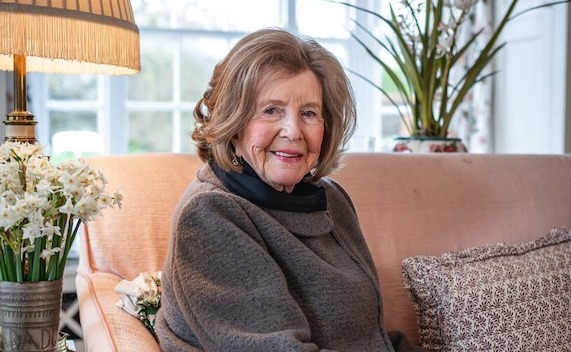
Lady Glenconner is one of the most fascinating figures connected to the British royal circle. Known for her elegance, resilience, and decades-long friendship with Princess Margaret, she has lived a life filled with glamour, tragedy, royalty, and public attention. Over the years, her memoirs and interviews have introduced millions of people to the realities of aristocratic life behind palace walls.
Born into one of Britain’s most respected noble families, Lady Glenconner experienced privilege from an early age. However, her story is not simply about luxury and royal parties. It is also a story of personal struggles, difficult family situations, emotional resilience, and an ability to remain graceful through challenging times.
Today, Lady Glenconner is admired not only as a British socialite but also as an author and public figure whose honesty about family life and royal society has captivated readers worldwide. Her connection to Colin Tennant, 3rd Baron Glenconner, further added drama and intrigue to her already extraordinary life story.
Early Life and Aristocratic Background
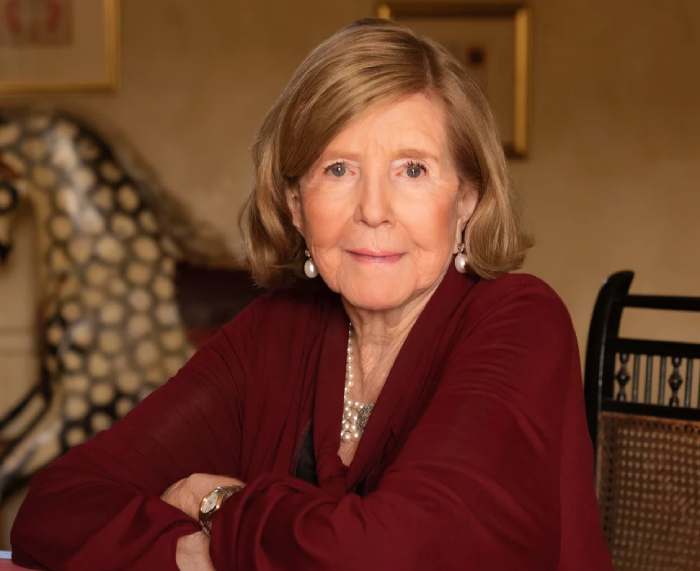
Lady Glenconner was born Anne Coke in 1932 into a highly respected aristocratic family. Her father, Thomas Coke, 5th Earl of Leicester, was one of the wealthiest landowners in England and the owner of the famous Holkham Hall estate in Norfolk. Her mother, Lady Elizabeth Yorke, came from another distinguished noble family, giving Anne a deeply aristocratic upbringing from both sides.
Growing up at Holkham Hall exposed her to a lifestyle filled with tradition, social expectations, and royal connections. Unlike ordinary childhoods, Anne’s early years involved formal dinners, grand gatherings, and interactions with influential members of British society. Even as a child, she understood the importance of reputation, etiquette, and duty.
Lady Glenconner also shared close relationships with her sisters, including Lady Sarah Coke and Lady Carey Coke. Their upbringing reflected the values of the British upper class during the mid-20th century. Later in life, Lady Sarah Coke became Lady Sarah Russell after marriage, and the family remained socially prominent for decades.
Friendship With the Royal Family
One of the most important aspects of Lady Glenconner’s life was her close friendship with members of the British royal family. She was especially close to Princess Margaret, the younger sister of Queen Elizabeth II. Their friendship began in childhood and continued for many decades.
Lady Glenconner served as a Maid of Honour at Queen Elizabeth II’s coronation in 1953, which immediately placed her in the public eye. The role was considered one of the greatest honors for a young aristocratic woman of her time. It demonstrated the trust and respect the royal family had for her family and character.
Her later role as Princess Margaret’s lady-in-waiting became one of the defining parts of her identity. In this position, she traveled extensively with the princess, attended royal engagements, and became part of many historic moments. Through her memoirs, Lady Glenconner later shared stories that revealed Princess Margaret’s humor, emotional struggles, and complicated personality in a way the public had never fully seen before.
Marriage to Colin Tennant, 3rd Baron Glenconner
Lady Glenconner’s marriage to Colin Tennant, 3rd Baron Glenconner, was one of the most talked-about aristocratic marriages of its time. Colin Tennant was a wealthy and eccentric aristocrat known for his extravagant lifestyle, unconventional personality, and ambitious projects.
The couple married in 1956 and quickly became famous within elite British society. Colin Tennant had a strong interest in luxury tourism and eventually transformed the Caribbean island of Mustique into a glamorous private destination for celebrities, royals, and wealthy visitors. The island later became strongly associated with Princess Margaret and elite social circles.
Despite the glamorous public image, Lady Glenconner later revealed that the marriage was extremely difficult. Colin Tennant’s unpredictable behavior and complicated personal life created emotional strain within the family. Still, Lady Glenconner remained loyal and dignified throughout many personal challenges, which earned her widespread respect later in life.
Family Life and Personal Tragedies
Lady Glenconner’s life was deeply shaped by both love and loss. She and Colin Tennant, 3rd Baron Glenconner, had five children: Charles Edward Pevensey Tennant, Henry Lovell Tennant, Christopher Cary Tennant, Flora “May” Tennant, and Amy Jasmine Elizabeth Tennant.
Sadly, several of her children faced serious difficulties. Charles Edward Pevensey Tennant struggled with addiction and later died from complications related to illness. Henry Lovell Tennant became one of the first British aristocrats publicly known to have died from AIDS-related illness during a period when the disease carried enormous social stigma.
Another devastating event involved Christopher Cary Tennant, who suffered a severe brain injury after a motorcycle accident. Lady Glenconner dedicated much of her life to caring for him and supporting his recovery. Her devotion as a mother during these painful moments showed a strength that many people deeply admire today.
Her daughters, Flora “May” Tennant and Amy Jasmine Elizabeth Tennant, remained important sources of support and stability within the family. Despite decades of tragedy, Lady Glenconner continued to maintain grace, humor, and emotional resilience.
Life at Mustique and Elite Society
Mustique became one of the defining symbols of the Glenconner lifestyle. Under the vision of Colin Tennant, 3rd Baron Glenconner, the island transformed from a relatively quiet Caribbean location into one of the world’s most exclusive private retreats.
Princess Margaret frequently visited Mustique, helping increase its global reputation. Over time, the island attracted celebrities, politicians, business leaders, and members of high society. The relaxed atmosphere of Mustique offered privacy that was difficult to find in Britain’s heavily watched royal circles.
Lady Glenconner played a major role in hosting guests and helping create the sophisticated environment associated with the island. However, she later admitted that life behind the scenes was not always glamorous. Running estates, handling family issues, and dealing with Colin Tennant’s unpredictable decisions often created stress and emotional exhaustion.
Even so, Mustique remains closely linked to the Glenconner legacy. The island still carries an aura of mystery and luxury that reflects the unique personalities of Lady Glenconner and her husband.
Success as an Author and Public Figure
In recent years, Lady Glenconner gained a new generation of admirers through her memoirs and television appearances. Her bestselling autobiography, Lady in Waiting, became highly successful because of its honesty, emotional depth, and fascinating royal stories.
Readers appreciated the way she discussed both glamorous experiences and painful realities without bitterness. She openly spoke about marriage difficulties, family tragedy, and the emotional pressures of aristocratic life. This honesty made her story feel genuine rather than overly polished.
She later released additional books, interviews, and public appearances that further strengthened her reputation as a respected public figure. Her storytelling style combines humor, intelligence, and emotional honesty, making her work appealing even to readers who are not deeply interested in the royal family.
The popularity of shows like The Crown also increased public curiosity about Lady Glenconner and her relationship with Princess Margaret. Many viewers became interested in learning which parts of royal drama reflected real historical events connected to her life.
Legacy and Cultural Impact
Lady Glenconner represents a unique bridge between traditional aristocratic Britain and the modern celebrity-driven royal culture people recognize today. Few individuals have witnessed such dramatic changes within British society while remaining closely connected to the monarchy.
Her life story highlights both the privileges and pressures of aristocracy. While many people focus on titles, estates, and luxury, Lady Glenconner’s experiences show the emotional sacrifices often hidden behind public appearances. Her openness about personal hardship has made her more relatable to modern audiences.
She is also remembered for preserving important memories of Princess Margaret. Through interviews and books, Lady Glenconner provided a more human and balanced understanding of a royal figure who was often misunderstood by the media.
Today, Lady Glenconner continues to be admired for her dignity, resilience, and ability to remain optimistic despite personal tragedy. Her story is ultimately about survival, loyalty, family, and adapting to life’s challenges with courage and grace.
FAQs
Who is Lady Glenconner?
Lady Glenconner is a British aristocrat, author, and former lady-in-waiting to Princess Margaret.
Who was Lady Glenconner married to?
She was married to Colin Tennant, 3rd Baron Glenconner, a famous British aristocrat and Mustique developer.
What is Lady Glenconner famous for?
She is known for her royal connections, bestselling memoirs, and close friendship with Princess Margaret.
How many children did Lady Glenconner have?
Lady Glenconner had five children with Colin Tennant, 3rd Baron Glenconner.
What is Mustique’s connection to Lady Glenconner?
Mustique became famous through Lady Glenconner and her husband, who helped turn it into a luxury private island retreat.
Conclusion
Lady Glenconner has lived one of the most extraordinary lives connected to the British aristocracy and royal family. From her privileged childhood as the daughter of Thomas Coke, 5th Earl of Leicester, and Lady Elizabeth Yorke to her complicated marriage with Colin Tennant, 3rd Baron Glenconner, her journey has been filled with unforgettable moments.
Her experiences as Princess Margaret’s close companion, her role within elite society, and her deeply personal family struggles have made her story both fascinating and emotionally powerful. Through honesty and resilience, she transformed personal hardship into a legacy of inspiration and public admiration.
Today, Lady Glenconner remains an important figure in British cultural history. Her memoirs, public appearances, and royal connections continue to attract readers who are curious about the realities behind aristocratic life and the human stories hidden beneath royal tradition.