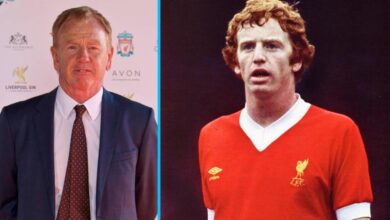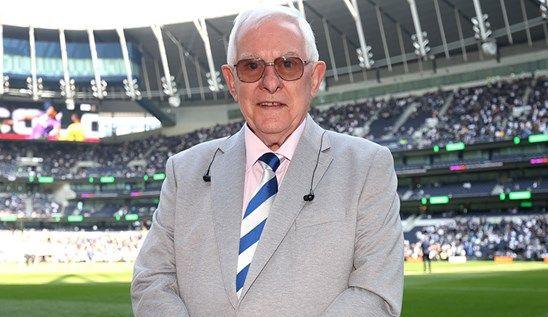
When you talk about English midfielders who combined toughness with intelligence, the name Alan Mullery deserves a place near the top. He wasn’t the flashiest player of his era, nor the most naturally gifted, but what he brought to the pitch was something just as valuable—discipline, leadership, and an uncompromising competitive spirit.
From his early days at Fulham to his trophy-laden years at Tottenham Hotspur, and later into management, Mullery’s journey reflects the evolution of English football during a defining period. Off the pitch, his life, including his relationship with Kathy Mullery, adds a more personal dimension to the story of a man often remembered for his fierce on-field presence.
Early Life and Football Beginnings
Alan Mullery was born in London in 1941, growing up in a working-class environment where football wasn’t just a pastime—it was a way of life. Like many young boys in post-war England, he developed his skills on local streets and pitches, where physicality and resilience were just as important as technique. Those early experiences shaped his style, giving him a toughness that would later define his professional career.
He joined Fulham as a teenager, signing professional forms in the late 1950s. At the time, Fulham was a club known for developing talent, and Mullery quickly adapted to the demands of senior football. He wasn’t an instant star, but coaches recognized something valuable in him: reliability. He could be trusted to do the hard work, to win tackles, and to maintain structure in midfield.
During these formative years, Mullery began to understand the tactical side of the game. Football in England was evolving, and while flair players often grabbed headlines, teams still relied heavily on disciplined midfielders who could anchor the side. Mullery embraced that role fully, laying the foundation for a long and impactful career.
Rise to Prominence at Tottenham Hotspur
Mullery’s move to Tottenham Hotspur in the mid-1960s marked a turning point in his career. Tottenham was one of the strongest teams in England at the time, and joining them meant stepping into a more competitive, high-pressure environment. It was here that Mullery truly came into his own.
At Spurs, he developed into a complete midfielder. He wasn’t just breaking up opposition attacks—he was also contributing to build-up play, showing composure on the ball and an ability to read the game. His leadership qualities became increasingly evident, eventually earning him the captain’s armband.
One of the defining moments of his time at Tottenham came during the early 1970s, when the club enjoyed significant success in domestic and European competitions. Mullery played a key role in their UEFA Cup triumph in 1972, even scoring in the final. That goal wasn’t just a personal highlight—it symbolized his importance to the team.
What made Mullery special at Spurs was his consistency. Week in, week out, he delivered solid performances. While others might shine occasionally, Mullery ensured the team functioned effectively every single match. It’s no surprise that teammates and managers alike valued him highly.
Fulham Return and Career Maturity
After his successful stint at Tottenham, Mullery returned to Fulham, bringing with him experience, leadership, and a winning mentality. This second spell at the club was different from his early years. Now, he wasn’t just a player trying to establish himself—he was a seasoned professional guiding others.
His presence had a stabilizing effect on the team. Younger players looked up to him, not just for his skill but for his professionalism. He understood the importance of discipline, preparation, and mental strength—qualities he passed on to the next generation.
One of the highlights of this period was Fulham’s run to the FA Cup Final in 1975. Although they didn’t win the trophy, reaching the final was a significant achievement, and Mullery’s leadership played a crucial role in that journey. It was a testament to his enduring influence on the pitch.
By the time he retired from playing, Mullery had built a reputation as a dependable and respected figure in English football. He might not have been the most celebrated star, but his contributions were undeniable.
International Career with England
Mullery’s performances at club level earned him a place in the England national team. Representing your country is always a proud moment, and for Mullery, it was no different. He earned over 30 caps, participating in major tournaments and representing England during a competitive era.
One of the most talked-about moments of his international career came during the 1970 World Cup. Mullery scored in the famous quarter-final against West Germany—a match remembered for its dramatic twists. Despite England’s eventual loss, his contribution remains a highlight.
However, his international career also included a controversial chapter. Mullery became the first England player to be sent off in an official international match. While this incident is often mentioned, it doesn’t define his career. Instead, it reflects his passionate and uncompromising approach to the game—sometimes crossing the line, but always driven by a desire to win.
Transition into Management
After retiring as a player, Mullery transitioned into management, a path many former professionals choose. His understanding of the game, combined with his leadership skills, made him a natural fit for the role.
His most notable success as a manager came with Brighton & Hove Albion. Taking charge of a club with modest expectations, Mullery guided them through multiple promotions, eventually helping them reach the top tier of English football. This achievement demonstrated his ability to build and develop teams, not just manage established stars.
Management brought new challenges. Unlike playing, where you control your own performance, coaching requires overseeing an entire squad, making tactical decisions, and handling personalities. Mullery approached these responsibilities with the same determination he showed as a player.
He also managed other clubs, including Crystal Palace and Queens Park Rangers, gaining a reputation as a manager who demanded discipline and hard work. While not every stint was equally successful, his impact on English football extended well beyond his playing days.
Personal Life and Kathy Mullery
Behind the public persona of Alan Mullery is a more private story, one that includes his relationship with Kathy Mullery. While not as widely documented as his football career, his personal life plays an important role in understanding the man beyond the game.
Kathy Mullery has been part of his life away from the spotlight, offering support during both the highs and lows of his career. Football, especially at a professional level, can be demanding and unpredictable. Having a stable personal life often helps players and managers navigate those challenges more effectively.
Their relationship reflects a quieter side of Mullery—one that contrasts with the intensity he displayed on the pitch. It’s a reminder that even the toughest competitors have lives and stories beyond the stadium.
While Mullery has largely kept his private life out of the public eye, the mention of Kathy Mullery adds depth to his story. It humanizes a figure often remembered for his toughness, showing that there’s more to him than just football.
Playing Style and Influence
Mullery’s playing style was built on fundamentals. He wasn’t known for flashy dribbling or spectacular goals, but for doing the essential work that often goes unnoticed. Tackling, positioning, and maintaining team structure were his strengths.
He was the kind of player every successful team needs—a reliable presence in midfield who ensures balance and stability. Coaches trusted him to execute game plans, while teammates relied on him for support and leadership.
His influence can be seen in the way modern midfielders are evaluated. Today, players who excel in defensive duties and tactical awareness are highly valued. Mullery was ahead of his time in that sense, embodying qualities that remain crucial in football.
Beyond his technical contributions, his mentality set him apart. He played with determination and intensity, never shying away from challenges. That attitude inspired those around him, making him a leader both on and off the field.
Legacy in English Football
Alan Mullery’s legacy isn’t defined by individual awards or global fame. Instead, it’s built on consistency, leadership, and a commitment to the team. He represents a type of footballer that is sometimes overlooked but always essential.
His achievements with Tottenham, his contributions to Fulham, and his impact as a manager all form part of a career that spans multiple decades. He was involved in football during a period of change, adapting to new styles and expectations while maintaining his core identity.
For fans and historians, Mullery stands as an example of what it means to be a professional. He didn’t rely on natural talent alone—he worked hard, stayed disciplined, and made the most of his abilities.
Even today, his name comes up in discussions about influential English midfielders. While others may have received more attention, Mullery’s role in shaping teams and contributing to success remains undeniable.
FAQs
Who is Alan Mullery?
Alan Mullery is a former English footballer and manager, best known for his time at Tottenham Hotspur and his role as a strong, disciplined midfielder.
What teams did Alan Mullery play for?
He played mainly for Fulham and Tottenham Hotspur, having two spells at Fulham and a highly successful period at Spurs.
What is Alan Mullery famous for?
He is famous for winning major trophies with Tottenham, scoring in the 1972 UEFA Cup Final, and being the first England player sent off in an international match.
Did Alan Mullery play in the World Cup?
Yes, he represented England in the 1970 FIFA World Cup and scored in the quarter-final against West Germany.
What did Alan Mullery do after retiring?
After retiring, he became a football manager and achieved notable success with Brighton & Hove Albion, leading them to top-flight football.
Conclusion
Alan Mullery’s story is one of resilience, discipline, and quiet excellence. From his early days at Fulham to his success at Tottenham and his later achievements as a manager, he consistently demonstrated what it takes to succeed at the highest level.
Including figures like Kathy Mullery in his story reminds us that behind every football career is a personal journey. Mullery wasn’t just a player or a manager—he was a person navigating both professional challenges and personal relationships.