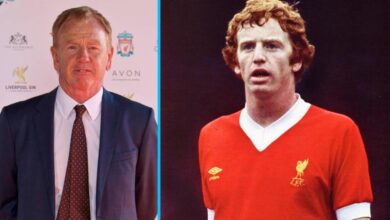
The story of Steve Claridge begins far from the glamour of the Premier League. Born in Portsmouth in 1966, Claridge did not follow the typical academy-to-stardom route that many modern footballers experience. Instead, his early career was shaped by grit, persistence, and a willingness to take opportunities wherever they appeared. His journey started in non-league football, where raw talent alone is rarely enough—you need resilience, discipline, and a strong mentality.
Claridge’s formative years at clubs like Fareham Town gave him a grounding that would define his career. Non-league football is physically demanding and often under-resourced, forcing players to adapt quickly. It was here that he learned to play multiple roles on the pitch, developing a football intelligence that would later become one of his greatest strengths. Unlike players groomed in structured academies, Claridge built his understanding of the game through real match experience.
A Career Defined by Movement and Adaptability
Steve Claridge is often described as a “journeyman,” but that label barely scratches the surface of his achievements. Over the course of his career, he played for more than 20 clubs, moving frequently but always leaving an impact. While some might see frequent transfers as instability, Claridge turned it into an advantage—each new club was another opportunity to refine his game and prove his value.
His adaptability was remarkable. Claridge could play as a striker, attacking midfielder, or even drop deeper when needed. This versatility made him an asset to managers across different leagues and playing styles. Whether it was a physical lower-league battle or a more technical game at a higher level, he found ways to contribute. Few players have managed to remain relevant across so many different football environments.
The constant movement also gave him a rare perspective on English football as a whole. He experienced the culture, tactics, and challenges of multiple divisions, from non-league to the top tier. This breadth of experience would later inform his work as a pundit, where his insights are often grounded in real, lived experience rather than theory.
Breakthrough Moments with Leicester City
While Claridge’s career spanned many clubs, his time at Leicester City remains the defining chapter. It was here that he transitioned from a respected lower-league player to a national figure. His most iconic moment came in the 1996 First Division play-off final, where he scored the winning goal that secured Leicester’s promotion to the Premier League.
That goal was more than just a match-winner—it symbolized everything Claridge stood for. He wasn’t the fastest or the most technically gifted player on the pitch, but he had an uncanny ability to be in the right place at the right time. His instincts, combined with his experience, allowed him to deliver when it mattered most.
The following year, he added another unforgettable moment by scoring the winning goal in the League Cup final replay in 1997. These high-pressure performances cemented his reputation as a clutch player. For Leicester fans, Claridge became a hero, not because of flashy skills, but because of his reliability in decisive moments.
Longevity and the Rare 1000-Game Milestone
One of the most extraordinary aspects of Steve Claridge’s career is its longevity. In an era where many players retire in their early 30s, Claridge continued playing well into his 40s. He eventually surpassed 1000 professional appearances—a milestone that very few footballers ever reach.
Longevity at that level requires more than physical fitness. It demands mental strength, discipline, and an ability to evolve. As his career progressed, Claridge adapted his style of play. He relied less on physical attributes and more on positioning, awareness, and decision-making. This evolution allowed him to remain effective even as younger, faster players entered the game.
His extended career also reflects his love for football. Even after stepping away from the professional spotlight, he continued to play in lower leagues and semi-professional setups. For Claridge, football was never just a job—it was a lifelong passion.
Leadership and Management Experience
In addition to his playing career, Claridge also took on managerial roles, further showcasing his understanding of the game. His time as a player-manager at Portsmouth is particularly notable. Balancing both responsibilities is incredibly challenging, requiring strong leadership and organizational skills.
As a manager, Claridge brought the same practical mindset that defined his playing career. He focused on fundamentals—teamwork, discipline, and adaptability. While his managerial career did not reach the same heights as his playing days, it added another dimension to his football journey.
His leadership extended beyond formal management roles. Throughout his career, he was often a guiding presence in the dressing room, helping younger players navigate the challenges of professional football. This mentorship role is an often-overlooked aspect of his legacy.
Connection to Non-League Football and Gosport Borough F.C.
Even after achieving success at higher levels, Claridge never lost touch with his roots. His involvement with Gosport Borough F.C. highlights his ongoing commitment to non-league football. Playing and contributing at this level later in his career demonstrates his genuine love for the game.
At clubs like Gosport Borough, Claridge’s presence brought invaluable experience. Younger players had the opportunity to learn from someone who had played at the highest levels. His influence extended beyond the pitch, helping to raise standards and professionalism within the team.
This connection to grassroots football is a key part of his story. While many players move away from lower leagues once they achieve success, Claridge embraced them. He understood their importance in the football ecosystem and continued to contribute long after his peak years.
Transition into Media and Punditry
After retiring from full-time professional football, Claridge seamlessly transitioned into media work. He became a familiar face on BBC football programs, where his insights are valued for their authenticity and depth. Unlike pundits who rely on statistics alone, Claridge draws from decades of firsthand experience.
His analysis often focuses on the realities of lower-league football, a perspective that is sometimes overlooked in mainstream coverage. He understands the challenges faced by players outside the Premier League spotlight and brings those stories to a wider audience. This has helped broaden the conversation around English football.
Claridge’s communication style is another strength. He explains complex tactical ideas in a way that is accessible to viewers without oversimplifying them. This balance between expertise and clarity has made him a respected voice in football media.
Playing Style and Football Intelligence
Steve Claridge was never the most physically dominant player, but he made up for it with intelligence and awareness. His positioning was exceptional, allowing him to find space and create scoring opportunities even against stronger opponents. He had a natural understanding of the flow of the game, which enabled him to anticipate plays before they developed.
Another key aspect of his style was his versatility. Being able to play multiple roles made him invaluable to his teams. Managers could rely on him to adapt to different tactical setups, whether it required attacking creativity or defensive support. This flexibility extended his career and increased his impact.
Perhaps most importantly, Claridge had a strong mental game. He remained composed under pressure and consistently delivered in crucial moments. This psychological edge often made the difference between average players and truly influential ones.
Legacy in English Football
Steve Claridge’s legacy is not defined by individual awards or global fame, but by consistency, resilience, and impact. He represents a different kind of football success—one that values hard work, adaptability, and longevity over immediate stardom. His career serves as an example for players who may not follow traditional pathways.
His influence can be seen in the respect he commands across different levels of the game. From non-league clubs to Premier League audiences, Claridge is recognized as someone who truly understands football. His journey demonstrates that there are many ways to succeed in the sport.
Moreover, his continued involvement in football—whether through playing, managing, or punditry—ensures that his knowledge and experience are passed on to future generations. This ongoing contribution is a significant part of his legacy.
FAQs
Who is Steve Claridge?
Steve Claridge is a former English professional footballer, manager, and TV pundit known for his long career across multiple leagues and over 1000 appearances.
What is Steve Claridge best known for?
He is best known for scoring crucial goals for Leicester City, including the winner in the 1996 play-off final and the 1997 League Cup final replay.
How many clubs did Steve Claridge play for?
Steve Claridge played for more than 20 clubs during his career, making him one of the most notable journeyman footballers in England.
Did Steve Claridge play in non-league football?
Yes, he started and later returned to non-league football, including involvement with Gosport Borough F.C., showing his strong connection to grassroots football.
What does Steve Claridge do now?
After retiring, he became a football pundit, regularly appearing on BBC programs and providing expert analysis on English football.
Conclusion
Steve Claridge’s career is a testament to perseverance and passion. From humble beginnings in non-league football to iconic moments in major finals, he built a career that defies conventional expectations. His ability to adapt, his commitment to the game, and his willingness to embrace every level of football make him a unique figure in English football history.
Rather than being remembered for a single achievement, Claridge is celebrated for the entirety of his journey. He proved that success in football is not just about reaching the top—it’s about sustaining excellence, embracing challenges, and staying connected to the game at every level.