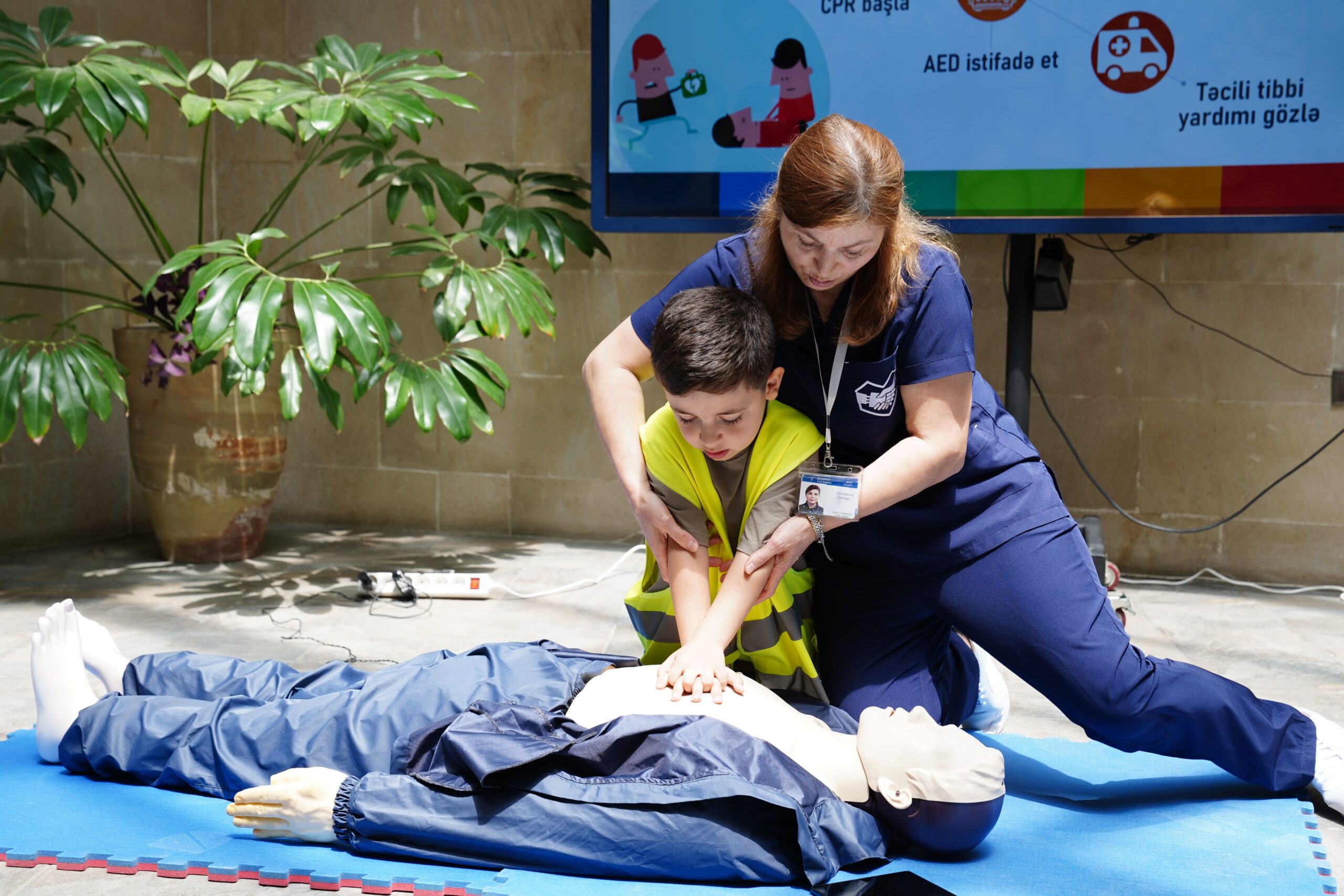
Could one fast, calm action change what happens during a medical emergency?
Essential response skills help people notice danger, act with purpose, and support others until more help arrives. These skills matter in workplaces, schools, clinics, gyms, and homes because urgent events do not wait for perfect timing.
When people understand basic steps before stress takes over, they can respond with more confidence and less panic. This article explains how response training improves safety outcomes in real situations.
Faster Action Saves Time
Emergencies often become worse when people freeze or wait too long. Response training teaches people how to spot warning signs and start simple steps right away. Fast action can help protect the person in trouble while others call for help.
Training also gives people a clear order to follow. They learn to check the scene, assess the person, and decide what to do next. This structure lowers confusion during moments that feel loud, rushed, and stressful.
Calm Thinking Reduces Mistakes
Stress can make even simple choices feel hard. Practice helps people slow their thoughts and focus on the next safe step. That calm mindset can reduce careless moves and missed details.
Good response skills also teach people to avoid unsafe risks. They learn not to rush into danger or move someone without reason. Safer choices protect both the person needing help and the person giving aid.
Better Training Builds Confidence
Confidence matters when every second feels important. People who complete the best BLS certification often feel more prepared to assist in serious medical events. That confidence can make them more willing to step forward instead of standing back.
Confidence does not mean acting like a doctor. It means knowing basic support steps and using them within your role. A trained person can still be calm, useful, and careful while waiting for professionals.
Clear Roles Improve Teamwork
Many emergencies involve more than one helper. Response skills teach people how to share tasks, speak clearly, and avoid crowding the scene. One person can call emergency services while another checks breathing or brings an AED.
Teamwork also helps prevent repeated or missed actions. Clear words tell everyone what has already been done and what still needs attention. This makes the whole response smoother and less chaotic.
Practice Turns Knowledge Into Action
Reading about emergency steps is helpful, but practice makes them easier to remember. Repetition builds habits that can come back during pressure. People are more likely to act well when they have already walked through the process.
Practice also helps people notice weak spots in their skills. They may learn they need to improve hand placement, timing, or communication. Small corrections during training can lead to safer actions later.
Strong Skills Safer Moments
Essential response skills give people a better chance to help when urgent problems happen. They support faster choices, clearer teamwork, and safer action during stressful moments. No training can control every outcome, but preparation can improve how people respond.
Safety grows when more people know what to do and trust their ability to act. Simple skills can make homes, workplaces, and public spaces feel more prepared.
Did you like this guide? Great! Please browse our website for more!