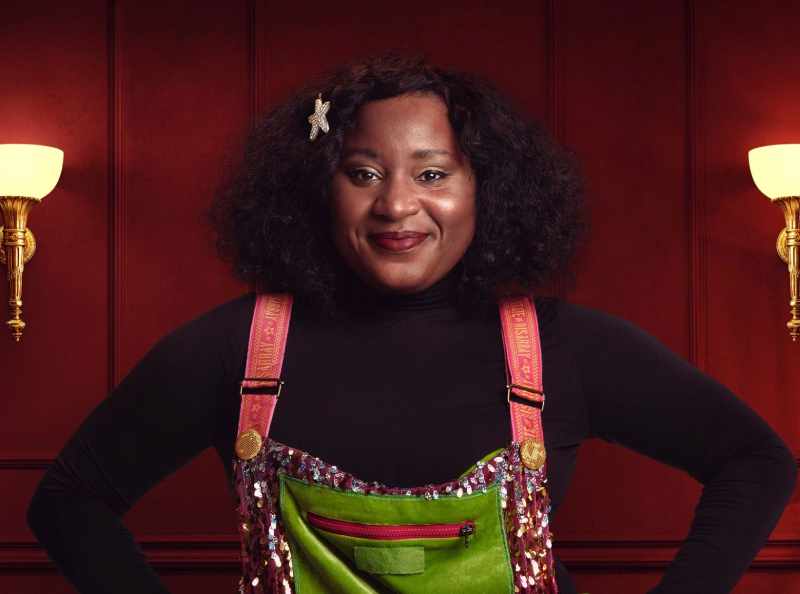
Susan Wokoma has steadily become one of the most respected names in British entertainment. Known for her bold performances, sharp humor, and emotionally intelligent storytelling, she represents a new generation of creatives who are changing the face of television and film in the United Kingdom. While many viewers recognize her from hit productions such as Chewing Gum and Enola Holmes, her journey toward success began long before mainstream recognition arrived.
Born and raised in South London, Susan Wokoma comes from a Nigerian family that valued education, discipline, and ambition. Growing up in a multicultural environment helped shape the confidence and authenticity that later became central to her acting style. She has often spoken about how her upbringing influenced her understanding of identity, culture, and storytelling. Those themes continue to appear in many of the projects she chooses today.
Her connection to creativity started early. As a child, she showed a strong interest in performance and storytelling, which eventually led her toward professional training. She attended the prestigious Royal Academy of Dramatic Art (RADA), one of the most respected drama schools in the world. Studying there gave her technical skills, but it also exposed her to the realities of the entertainment industry, including the challenges faced by Black actresses trying to secure meaningful roles.
Susan Wokoma’s Breakthrough in British Television
Before becoming a household name, Susan Wokoma spent years building experience through smaller television appearances and theatre work. Like many actors, her career did not explode overnight. Instead, she developed a reputation slowly through consistency, professionalism, and memorable supporting performances that often stood out more than leading roles around her.
One of the major turning points in her career came when she appeared in the comedy-drama series Chewing Gum, created by Michaela Coel. The show became a cultural phenomenon because of its fresh voice, fearless comedy, and authentic representation of young Black British life. Susan’s portrayal of Cynthia was both hilarious and emotionally layered. Audiences connected with her awkwardness, vulnerability, and charm, making her one of the standout performers in the series.
The success of Chewing Gum opened new doors in British television. Suddenly, casting directors and producers recognized Susan Wokoma as more than a talented supporting actress. She had the ability to command scenes while balancing humor and emotional realism naturally. This balance became one of her strongest professional trademarks.
Another major breakthrough arrived with the supernatural comedy-drama Crazyhead. In the series, she played Raquel, a bold and fearless demon hunter whose personality contrasted beautifully with the darker themes of the show. Critics praised her performance because she brought energy and humanity into a role that could easily have become exaggerated or unrealistic. Her chemistry with the rest of the cast also demonstrated her versatility as a performer.
As her television profile grew, Susan Wokoma became increasingly recognized for choosing projects that challenged stereotypes. Rather than accepting predictable or one-dimensional characters, she consistently leaned toward stories that allowed women, especially Black women, to appear complicated, funny, intelligent, and emotionally authentic.
Expanding Into Film and International Recognition
Although British television helped launch her career, Susan Wokoma eventually expanded into international film projects that introduced her to a global audience. One of the most important moments in that transition came through Netflix’s Enola Holmes franchise.
In the films, she portrayed Edith, a martial arts instructor and ally to Enola Holmes. While the role was not the central focus of the story, Susan managed to create a memorable character with strong screen presence. Audiences appreciated the confidence and charisma she brought to the role, while critics praised her ability to make supporting characters feel significant and fully realized.
The success of Enola Holmes dramatically increased her visibility outside the UK. International viewers who had never watched British comedy or drama suddenly discovered her work. This kind of exposure is important because it allows actors to move beyond regional recognition and establish themselves globally. Susan Wokoma handled that transition smoothly without losing the grounded personality that originally made audiences admire her.
Film work also allowed her to showcase a different side of her acting abilities. Television often gives performers time to develop characters slowly over multiple episodes, but film requires actors to create impact quickly. Susan adapted effectively by using subtle emotional expressions and controlled comedic timing that fit cinematic storytelling.
As her profile continued to grow, many industry observers began describing her as one of Britain’s most important rising creative voices. She was no longer simply a supporting actress in successful projects. Instead, she had become a performer capable of elevating nearly every production she joined.
Writing, Creativity, and Artistic Vision
While many people know Susan Wokoma primarily as an actress, her creative ambitions extend far beyond performing. She has increasingly established herself as a writer and storyteller with a strong interest in shaping narratives from behind the scenes.
One reason her work feels authentic is because she understands storytelling from multiple perspectives. Acting taught her how characters communicate emotionally, while writing gave her the opportunity to explore broader themes related to identity, race, culture, and personal growth. This combination allows her to approach projects with unusual depth and intelligence.
Susan has openly discussed the frustration many Black creatives experience within the entertainment industry. For years, opportunities were often limited to stereotypical roles or stories lacking complexity. Rather than simply complaining about the problem, she became part of a generation actively working to change the system through original storytelling and creative leadership.
Her writing style reflects modern British culture honestly without becoming overly dramatic or artificial. She has a natural understanding of humor, social tension, and emotional vulnerability, which makes her voice feel relatable. Whether discussing family relationships, friendships, or personal identity, she tends to create stories grounded in real human experiences.
The entertainment industry increasingly values multi-talented creatives who can act, write, direct, and produce. Susan Wokoma fits perfectly into this evolving landscape. Instead of waiting for ideal opportunities to appear, she actively helps create the kinds of stories she wants audiences to see.
This creative independence is one reason her career continues to grow steadily rather than fading after a few successful performances. She understands that longevity in entertainment often depends on artistic control and adaptability.
Representation and Influence in Modern Entertainment
Susan Wokoma’s importance extends beyond acting ability alone. She also represents a broader cultural shift happening across British entertainment. For decades, many talented actors from minority backgrounds struggled to receive opportunities that reflected the complexity of their experiences. Susan belongs to a generation pushing against those limitations.
One reason audiences connect with her is because she feels authentic rather than manufactured. She speaks openly about industry challenges while maintaining humor and optimism. This honesty has made her an influential figure for younger creatives hoping to enter film, television, and theatre.
Representation matters because audiences want to see people who reflect real society. Susan Wokoma has helped normalize the presence of Black British women in genres ranging from comedy to fantasy and drama. Importantly, her characters are rarely defined only by race. Instead, they exist as fully developed individuals with ambitions, fears, strengths, and flaws.
Her success also highlights how British entertainment has evolved during the streaming era. Platforms like Netflix introduced international audiences to actors who may once have remained known only within the UK. Susan benefited from this shift, but she also contributed to it by delivering performances strong enough to capture worldwide attention.
Beyond representation on screen, she influences conversations about creative ownership and opportunity behind the camera. Many modern actors now seek greater involvement in writing and production because they want more control over how stories are told. Susan’s career reflects this changing industry mindset clearly.
Younger performers frequently look toward artists like Susan Wokoma because she demonstrates that success does not require sacrificing individuality or authenticity. Her journey proves that talent combined with persistence and creative intelligence can eventually overcome industry barriers.
Susan Wokoma’s Personality and Public Image
Despite increasing fame, Susan Wokoma has maintained a public image that feels approachable and genuine. Unlike celebrities who carefully construct overly polished personas, she often appears relaxed, witty, and naturally confident during interviews and public events.
Humor plays a major role in her public appeal. Fans appreciate that she can discuss serious industry issues while still remaining entertaining and engaging. This balance makes her interviews memorable because she avoids sounding rehearsed or overly formal.
She is also known for supporting fellow creatives within the entertainment community. Many actors who achieve mainstream recognition become distant from smaller artistic circles, but Susan continues to champion emerging voices and diverse storytelling. Her willingness to celebrate other people’s success contributes to the respect she receives across the industry.
Another important aspect of her personality is self-awareness. She frequently acknowledges both the positive and difficult sides of her career honestly. Instead of pretending success arrived effortlessly, she discusses rejection, uncertainty, and perseverance openly. This realism helps audiences relate to her journey.
Although she maintains professional visibility, Susan Wokoma generally keeps her private life relatively protected. In an era where celebrities often share every detail online, this choice gives her a level of mystery that many public figures no longer have. Fans remain interested in her work because the focus stays on creativity rather than manufactured controversy.
Her grounded personality likely connects back to her upbringing and family values. Mentions of Emi Wokoma and other family influences occasionally appear in discussions about her life, reinforcing the sense that strong personal relationships continue to keep her balanced despite growing fame.
The Future of Susan Wokoma’s Career
Susan Wokoma’s career trajectory suggests that her most important work may still be ahead of her. She has already achieved recognition across television, film, comedy, and writing, but she continues to evolve creatively with each new project.
One major advantage she possesses is versatility. Some actors become trapped within a single genre or character type, but Susan moves comfortably between comedy, drama, fantasy, and action-oriented storytelling. This flexibility makes her valuable to producers and directors looking for performers who can adapt naturally.
There is also increasing interest in her work behind the camera. As audiences demand more original storytelling, creatives who can develop authentic narratives become especially important. Susan’s understanding of both performance and writing positions her well for future directing and producing opportunities.
The entertainment industry itself is changing rapidly because of streaming services and global content distribution. British actors now reach international audiences more easily than ever before. Susan Wokoma has already benefited from that evolution, and future projects could expand her global profile even further.
Many fans hope to see her lead larger film productions or headline major dramatic series in the coming years. Based on her existing body of work, she clearly possesses the emotional range and screen presence required for such opportunities.
Importantly, her career has developed through gradual growth rather than temporary hype. That foundation often leads to long-term success because it is built on genuine skill instead of short-lived trends. Susan Wokoma continues to earn respect through the quality of her performances and the intelligence of her creative choices.
FAQs
What is Susan Wokoma best known for?
Susan Wokoma is best known for her roles in Chewing Gum, Crazyhead, and Netflix’s Enola Holmes films.
Is Susan Wokoma also a writer?
Yes, Susan Wokoma is not only an actress but also a writer and creative storyteller in British entertainment.
Where is Susan Wokoma from?
Susan Wokoma was born and raised in South London, England, in a Nigerian-British family.
Who is Emi Wokoma?
Emi Wokoma is connected to Susan Wokoma’s family background and is occasionally mentioned in discussions about her personal life.
Did Susan Wokoma study acting professionally?
Yes, Susan Wokoma trained at the prestigious Royal Academy of Dramatic Art (RADA) in London.
Conclusion
Susan Wokoma has become one of the most compelling talents in modern British entertainment because of her intelligence, authenticity, and creative versatility. From her early beginnings in South London to international recognition through projects like Enola Holmes, she has consistently demonstrated remarkable depth as both a performer and storyteller.
Her success story reflects more than personal achievement alone. It also represents broader cultural changes happening within television and film, where diverse voices are finally receiving opportunities to shape mainstream storytelling. Through acting, writing, and creative leadership, Susan continues to influence the future direction of British entertainment.