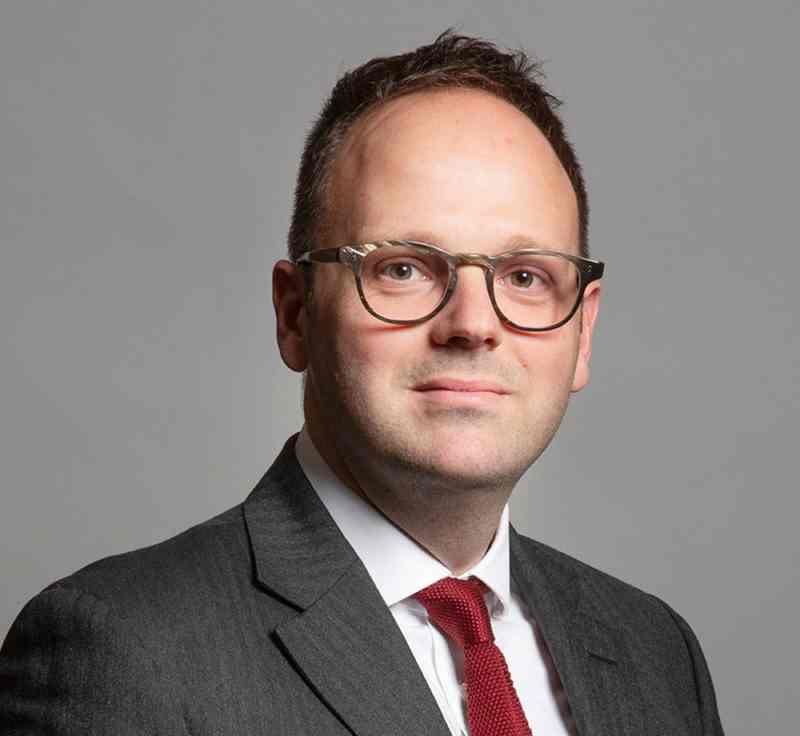
Simon Fell has emerged as a notable figure in modern British politics, particularly recognised for his strong focus on tackling fraud and supporting regional growth. Rising to national prominence after the 2019 general election, he combined a background in financial crime prevention with a pragmatic political style that resonated with many voters in Cumbria and beyond.
Early Life and Education
Born on 9 February 1981 in Preston, Lancashire, Simon Fell grew up in the North West of England. His upbringing in the region would later influence his political outlook, particularly his emphasis on levelling up and supporting communities outside London.
He attended the University of Warwick, where he studied English Literature. While this academic path might seem distant from his later specialism in fraud prevention, it helped shape his communication skills and analytical thinking — both of which became evident during his parliamentary career.
Before entering politics, he built a professional reputation in the telecommunications and financial crime sectors. This real-world experience gave him practical insight into the growing threat of digital fraud, an issue that would later define much of his public work.
Professional Career Before Politics
Prior to becoming an MP, Simon Fell worked extensively in fraud prevention. He held roles within the private sector and collaborated with organisations focused on protecting consumers and businesses from financial crime.
Work in the Anti-Fraud Sector
His time working with industry bodies such as Cifas — the UK’s leading fraud prevention service — proved particularly influential. In these roles, he:
- Analysed emerging fraud trends
- Helped develop prevention strategies
- Worked with financial institutions and telecom providers
- Advocated for stronger cross-sector collaboration
This background meant he entered Parliament with subject-matter expertise rather than learning the policy area from scratch — a factor that later strengthened his credibility.
Community and Financial Initiatives
Alongside his corporate work, Simon Fell also served as chair of a local credit union in Barrow. This grassroots involvement demonstrated an early interest in financial inclusion and community resilience, themes that continued throughout his political career.
Entry into Parliament
The political breakthrough for Simon Fell came during the 2019 UK general election. Standing as the Conservative candidate for Barrow and Furness, he successfully won the seat, unseating the incumbent Labour MP.
Why Barrow and Furness Matters
Barrow and Furness is a strategically important constituency due to:
- Its defence and shipbuilding industries
- The presence of major employers such as BAE Systems
- Its coastal and rural economic challenges
- Infrastructure and connectivity needs
Winning this seat placed him at the intersection of national defence, regional development, and industrial policy.
Early Parliamentary Focus
Once elected, Simon Fell quickly established his priorities, concentrating on:
- Fraud prevention and financial crime
- Digital infrastructure
- Support for defence communities
- Local economic investment
- Rural connectivity
His approach was often described as detail-driven and policy-focused rather than purely ideological.
Parliamentary Work and Committees
During his time in Westminster, Simon Fell served on the influential Home Affairs Select Committee. This role gave him oversight of policing, security, and crime policy — areas closely aligned with his expertise.
Contributions to Fraud Policy
Fraud has become the most common crime in the UK, and Simon Fell consistently pushed for stronger national coordination. His work highlighted several key issues:
- The scale of online scams
- The need for better data sharing
- Gaps in victim support
- The role of telecom companies in blocking fraud
He frequently argued that fraud should be treated with the same seriousness as other major crimes.
Advocacy for Victims
One of the defining features of his parliamentary work was his emphasis on victims. Rather than focusing solely on enforcement, Simon Fell stressed:
- Faster reimbursement for scam victims
- Better reporting systems
- Improved public awareness
- Cross-industry responsibility
This victim-centred approach gained attention across party lines.
Appointment as Anti-Fraud Champion
In December 2023, Simon Fell was appointed the Prime Minister’s Anti-Fraud Champion. Although the role was voluntary, it carried significant strategic importance.
Purpose of the Role
As Anti-Fraud Champion, Simon Fell was tasked with:
- Coordinating between government and industry
- Driving implementation of the UK Fraud Strategy
- Encouraging telecom and banking cooperation
- Raising national awareness
The appointment reflected growing government concern about the scale of fraud in Britain.
Key Initiatives
During this period, Simon Fell focused on practical, deliverable measures rather than broad rhetoric. His priorities included:
- Tackling authorised push payment scams
- Improving data-sharing frameworks
- Promoting the Online Fraud Charter
- Strengthening consumer protections
Observers noted that his industry background made him particularly effective in bridging the gap between policymakers and businesses.
Legislative Contributions
Beyond fraud policy, Simon Fell also played a role in advancing specific legislation. One of his most notable contributions was the Offenders (Day of Release from Detention) Act 2023.
Addressing Friday Releases
The law aimed to stop vulnerable prisoners being released on Fridays, when access to housing and support services is limited. The reform sought to:
- Reduce reoffending risk
- Improve rehabilitation outcomes
- Ensure better access to services
- Provide safer transitions into the community
This initiative demonstrated his interest in practical criminal justice reform beyond financial crime.
Local Impact in Cumbria
While his national work attracted attention, Simon Fell maintained a strong focus on constituency matters.
Economic and Infrastructure Priorities
In Barrow and Furness, he campaigned on:
- Transport improvements
- Digital connectivity
- Support for the shipbuilding workforce
- Town centre regeneration
- Skills and apprenticeships
His messaging often emphasised long-term regional investment rather than short-term announcements.
Engagement with Defence Sector
Given Barrow’s importance to the UK’s submarine programme, Simon Fell regularly engaged with defence stakeholders. He advocated for:
- Workforce development
- Supply chain resilience
- Government investment
- Local economic spillover
This alignment with national security priorities strengthened his profile within Parliament.
2024 General Election and Career Shift
The 2024 general election brought a turning point. Simon Fell lost his seat amid broader national political shifts.
Transition to the Private Sector
Following his departure from Parliament, Simon Fell moved into the private sector, taking on the role of Director of Fraud & Financial Crime at Fullbrook Strategies.
This move represented a return to his professional roots while allowing him to continue influencing the UK’s anti-fraud agenda from outside Westminster.
What This Means for His Influence
Although no longer an MP, Simon Fell remains relevant in policy circles because:
- Fraud continues to be a top national concern
- His expertise is highly specialised
- Government-industry collaboration is increasing
- Regulatory pressure on financial crime is rising
Many observers believe his impact on fraud policy may continue through advisory and industry channels.
Leadership Style and Reputation
Colleagues and analysts have often described Simon Fell as a technically minded policymaker rather than a headline-seeking politician.
Key Traits
His working style has been characterised by:
- Evidence-based arguments
- Cross-sector collaboration
- Focus on deliverable reforms
- Strong grasp of fraud mechanics
- Measured public communication
This profile helped him build credibility in specialist policy areas.
Cross-Party Engagement
On fraud in particular, Simon Fell frequently worked across party lines. Financial crime is widely seen as a non-partisan issue, and his approach reflected this reality.
The Broader Context: Fraud in the UK
Understanding the significance of Simon Fell’s work requires recognising the scale of the fraud problem in Britain.
Fraud now accounts for a large proportion of reported crime in England and Wales, driven by:
- Online banking scams
- Social engineering attacks
- Identity theft
- Investment fraud
- Telecom-enabled scams
Successive governments have faced criticism for fragmented responses, which is why coordinated roles such as the Anti-Fraud Champion have become more prominent.
Future Prospects
While his immediate future lies outside Parliament, Simon Fell is widely viewed as a specialist voice in financial crime policy.
Possible future paths could include:
- Advisory roles in government
- Industry leadership in fraud prevention
- Return to Parliament
- Think-tank or regulatory work
Given the continued growth of digital fraud, his expertise is likely to remain in demand.
FAQs
Who is Simon Fell?
Simon Fell is a British Conservative politician and fraud prevention specialist who served as MP for Barrow and Furness from 2019 to 2024.
What was his role as Anti-Fraud Champion?
He coordinated efforts between government and industry to reduce fraud and improve protections for victims across the UK.
Which constituency did he represent?
He represented Barrow and Furness in Cumbria during his time in Parliament.
What did he do before politics?
Before entering Parliament, he worked in the telecommunications and financial crime prevention sectors.
Is he still an MP?
No, he lost his parliamentary seat in the 2024 general election and later moved into the private sector.
Conclusion
Simon Fell’s career illustrates how subject-matter expertise can shape modern British politics. From his early work in fraud prevention to his time in Westminster and subsequent move back into the private sector, he has consistently focused on practical solutions to complex financial crime challenges.