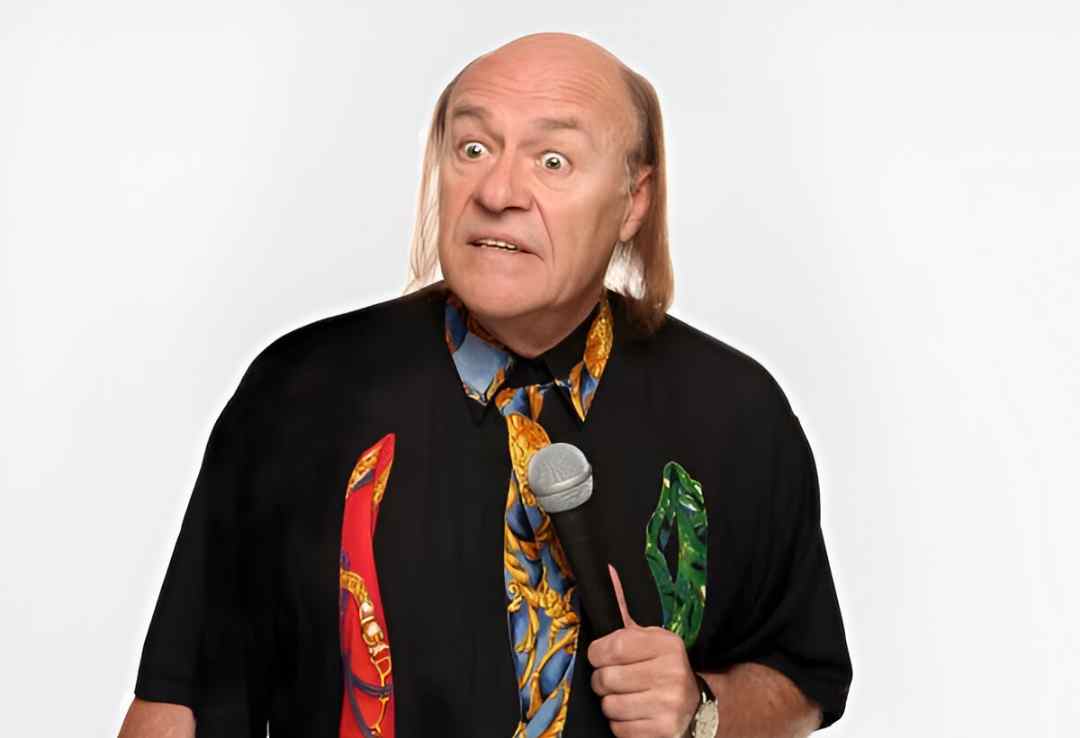
Few comedians have managed to remain relevant across five decades of British entertainment, yet Mick Miller stands as one of the rare exceptions. With his instantly recognisable silhouette, sharp wit, and masterful timing, he has carved out a lasting place in the UK’s comedy landscape. From working men’s clubs in the North West to prestigious television appearances and theatre tours across the country, his career reflects both resilience and genuine comic talent.
Early Life in Liverpool
Born Michael Lawton on 25 February 1950 in Liverpool, he grew up in a working-class community where humour was often a daily survival skill. Like many boys in Merseyside at the time, football was his first ambition. He played as a goalkeeper and showed enough promise to attract serious attention in his youth.
Yet life had different plans. An injury curtailed his football aspirations, forcing him to rethink his path. While this could have been a crushing disappointment, it ultimately redirected him towards the stage — a move that would shape the rest of his life.
Liverpool in the 1950s and 60s was rich in character, storytelling and banter. These influences seeped into his personality, forming the foundation of his observational style and natural rapport with audiences.
From Pontins to Prime Time
Before national fame arrived, the young entertainer honed his craft at Pontins holiday camps. Working as a Bluecoat provided valuable experience in live entertainment, audience interaction and quick thinking. Performing multiple times a day to different crowds forced him to sharpen his material and adapt to varied reactions.
His major breakthrough came when he appeared on the ITV talent show New Faces during the 1970s. Winning his heat brought him exposure to television executives and theatre promoters across the country. Soon afterwards, he became a familiar face on the hugely popular series The Comedians.
At that point, Mick Miller was no longer simply a Northern club comic — he was a national name.
The Golden Era of British Club Comedy
To understand the importance of Mick Miller, it is necessary to appreciate the era in which he rose to prominence. The 1970s and 80s were the heyday of working men’s clubs. Audiences were tough, direct and unforgiving. If a comedian failed to deliver, the reaction was immediate.
This environment produced performers with exceptional timing and stage presence. It was here that his trademark rhythm developed — the slow build-up, the unexpected twist, and the perfectly timed punchline.
Unlike some contemporaries who relied heavily on shock value, his comedy was rooted in storytelling and clever observation. He could hold a room through subtlety rather than volume. That quality has contributed significantly to his longevity.
A Distinctive Comic Persona
Physically, he possesses one of the most recognisable looks in British comedy — bald on top with long hair at the sides. Rather than hiding it, he embraced it as part of his stage identity.
However, his appearance is only part of the story. The real strength of Mick Miller lies in his delivery. He uses pauses masterfully, allowing audiences to anticipate the punchline before turning it in a direction they rarely expect.
His humour is grounded in everyday life — relationships, ageing, misunderstandings and human habits. There is no artificial flamboyance; instead, there is a sense of someone sharing stories in a pub with impeccable comic structure.
Television Success and Wider Recognition
Television cemented his place in British entertainment. Beyond The Comedians, he appeared on programmes such as Blankety Blank, Des O’Connor Tonight and They Think It’s All Over. These appearances broadened his audience and introduced him to younger viewers unfamiliar with the club circuit.
He also demonstrated versatility through acting roles, including appearances in BBC productions and Peter Kay’s Car Share. These parts highlighted his natural screen presence and ability to deliver humour in scripted formats.
A particularly notable milestone came when Mick Miller performed at the Royal Variety Performance in 2011. The event, attended by senior members of the Royal Family, symbolised official recognition of his contribution to British entertainment.
Longevity in a Changing Industry
Comedy evolves constantly. Styles shift, audience expectations change, and new platforms emerge. Many performers from the club era struggled to transition into modern comedy circuits.
Yet Mick Miller continues to tour theatres and comedy venues across the UK. His appeal spans generations — older audiences appreciate nostalgia and familiarity, while younger viewers discover a craftsman of classic stand-up technique.
His ability to adjust without abandoning his roots has been crucial. Rather than chasing trends, he refined his strengths: storytelling, timing and relatability.
Touring Life and Audience Connection
Live performance remains at the heart of his career. Theatre tours across Britain allow him to maintain direct contact with audiences — something he has always valued.
A typical show blends established material with fresh observations. He often interacts with the crowd, responding spontaneously to comments or reactions. This adaptability reflects decades of experience.
Audiences frequently describe his performances as warm, engaging and genuinely funny rather than forced or theatrical. That authenticity keeps people returning.
Influence on British Stand-Up
While he may not always dominate headlines in the way newer comedians do, his influence on British stand-up should not be underestimated. The working men’s club circuit laid foundations for modern observational comedy.
Younger comics often study performers from that era to understand structure and pacing. Mick Miller represents a bridge between traditional club humour and contemporary stage storytelling.
His success also demonstrates that clean, cleverly constructed material can remain powerful without relying on controversy.
Personal Character and Professional Reputation
Within the industry, he is widely regarded as professional, reliable and grounded. Longevity in entertainment often depends as much on reputation as talent. Promoters, theatre managers and fellow performers frequently note his consistency.
Despite decades in the spotlight, there is little sense of ego surrounding him. Interviews reveal a practical, down-to-earth personality shaped by Liverpool roots and early career struggles.
That grounded nature has likely contributed to his steady career path.
Cultural Context and Changing Audiences
The social environment of Britain has changed significantly since the 1970s. What audiences find funny, acceptable or relevant evolves over time.
Mick Miller has navigated these shifts carefully. Rather than leaning on outdated tropes, he has adapted his material to remain relatable. Observations about ageing, modern relationships and everyday frustrations resonate strongly with contemporary audiences.
His shows today feel less like relics of the past and more like refined masterclasses in comic timing.
Recognition and Legacy
Although awards and media headlines are not always central to his career, respect within the industry is evident. Performing at major venues and special events reflects recognition of his enduring value.
For many comedy fans, Mick Miller represents a golden age of British stand-up. For others, he is simply a reliably funny performer whose jokes still land perfectly.
Legacy is not measured only by awards, but by the ability to make audiences laugh consistently over decades. In that sense, his legacy is secure.
The Craft Behind the Laughter
Great stand-up often appears effortless, yet it demands precision. Timing, word choice, rhythm and audience reading all play vital roles.
One of the defining strengths of Mick Miller is restraint. He does not rush punchlines. He allows tension to build naturally before delivering the twist. That pacing reflects deep understanding of comedic structure.
Aspiring comedians studying classic British stand-up would find much to learn from his approach.
Why He Still Matters Today
In an era dominated by streaming platforms and viral clips, live stand-up retains a unique power. It is immediate, communal and unfiltered.
Mick Miller embodies that live tradition. Watching him perform is less about spectacle and more about shared experience. Laughter spreads organically across a theatre, driven by storytelling rather than gimmicks.
As comedy continues to evolve, performers who master fundamentals will always remain relevant.
FAQs
Who is Mick Miller?
Mick Miller is a British stand-up comedian from Liverpool who rose to fame in the 1970s through television and the working men’s club circuit.
How did he become famous?
He gained national attention after appearing on the ITV talent show New Faces and later becoming a regular on The Comedians.
Is he still performing live?
Yes, he continues to tour theatres and comedy venues across the United Kingdom.
What style of comedy does he perform?
His style focuses on observational humour, storytelling and carefully timed punchlines.
Did he ever pursue a football career?
In his youth he played as a goalkeeper and showed promise before an injury redirected him towards entertainment.
Conclusion
Mick Miller’s career tells a story of adaptation, resilience and genuine comedic craftsmanship. From Liverpool beginnings to national recognition, he has demonstrated that strong fundamentals — timing, observation and audience connection — can sustain a performer across generations.
While trends shift and platforms evolve, the essence of stand-up remains rooted in the relationship between comedian and audience. Through decades of performances, Mick Miller has preserved that relationship with warmth and skill.