Elizabeth Morton and Peter Davison: A Remarkable Journey Through Acting, Writing, and Creative Legacy

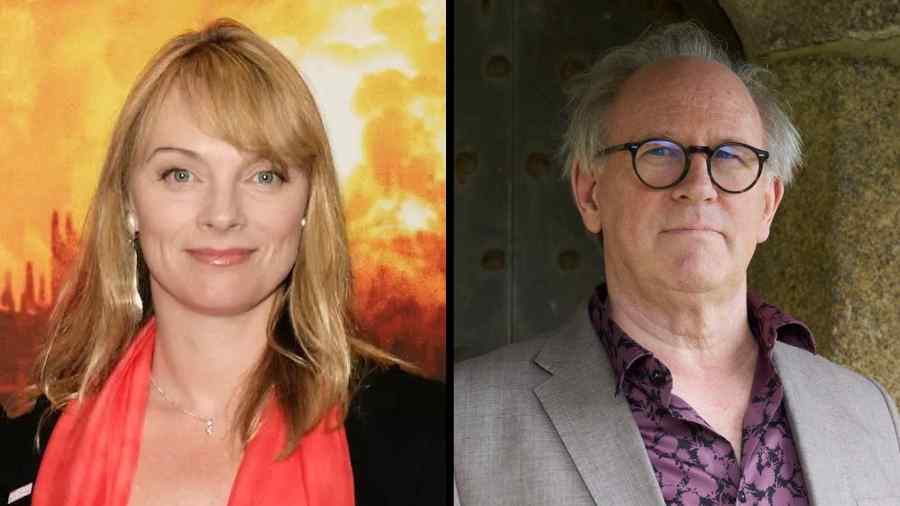
Elizabeth Morton is a name that quietly yet powerfully resonates across multiple creative industries in the United Kingdom. Known for her work as an actress, screenwriter, and novelist, Elizabeth Morton has built a career defined by versatility, emotional depth, and an enduring connection to storytelling. While many recognise her from her acting roles, particularly in classic British television, others have discovered her through her evocative historical novels set in Liverpool.
Her personal life adds another compelling dimension to her story. Married to the acclaimed British actor Peter Davison, Elizabeth Morton is part of a distinguished acting family that spans generations and genres. Together, they represent a unique blend of artistic talent and cultural contribution.
Early Life and Background
Elizabeth Morton was born on 8 January 1961 in Liverpool, England. Growing up in a city rich with history, culture, and resilience, she absorbed the stories and struggles that would later inspire her writing. Liverpool, particularly during the mid-20th century, was a place shaped by working-class communities, strong family bonds, and the lingering effects of wartime Britain.
She was educated at a convent school, where discipline and creativity often coexisted in structured harmony. From a young age, Elizabeth Morton showed an interest in performance and storytelling. This passion led her to pursue formal training at the Guildhall School of Music and Drama, one of the UK’s most prestigious institutions for performing arts.
Guildhall played a significant role in shaping her artistic voice. It was here that she refined her acting skills, learned the technicalities of stage performance, and began to understand character development on a deeper level. These early experiences would later influence her writing style, which is known for its vivid characters and emotionally grounded narratives.
The Beginning of an Acting Career
Elizabeth Morton began her professional acting career in the early 1980s, a time when British television was thriving with diverse storytelling and strong character-driven dramas. She quickly established herself as a capable and reliable actress, appearing in a variety of television roles.
Her early performances demonstrated her ability to adapt to different genres, from light-hearted comedy to intense drama. This flexibility allowed her to secure roles in several well-known British television series.
One of her notable appearances was in Watching, where she played Lucinda Stoneway. The series, known for its relatable characters and humour, provided Elizabeth Morton with an opportunity to connect with audiences in a warm and engaging way.
She also appeared in London’s Burning, a popular drama series centred around the lives of firefighters. Her role in this series showcased her ability to handle more serious and emotionally demanding material.
Breakthrough Role in Jeeves and Wooster
Perhaps one of the most recognisable roles in Elizabeth Morton’s acting career came in the beloved British television series Jeeves and Wooster. In this adaptation of P.G. Wodehouse’s stories, she played the character Madeline Bassett.
The show starred Hugh Laurie as Bertie Wooster and Stephen Fry as Jeeves, creating a dynamic duo that became iconic in British television history.
Elizabeth Morton’s portrayal of Madeline Bassett was both charming and memorable. The character, known for her whimsical and romantic outlook on life, required a delicate balance of humour and sincerity. Elizabeth Morton delivered this with ease, earning appreciation from audiences and critics alike.
This role significantly elevated her profile and remains one of the highlights of her acting career.
Film and Theatre Work
In addition to television, Elizabeth Morton also explored film and theatre, further expanding her creative repertoire.
Her film appearances include roles in productions such as Lifeforce (1985), a science fiction horror film that gained a cult following, and Billy the Kid and the Green Baize Vampire, a unique musical film blending western and fantasy elements.
However, it was theatre where Elizabeth Morton truly honed her craft. She performed in various stage productions, including the highly acclaimed musical Blood Brothers. Theatre allowed her to engage directly with audiences, bringing characters to life in real time and developing a deeper understanding of performance.
The discipline and emotional intensity required in theatre would later influence her transition into writing, where character depth and narrative authenticity are essential.
Transition to Screenwriting
As her acting career progressed, Elizabeth Morton began to explore writing. This transition was a natural evolution of her storytelling instincts.
She became involved in the Royal Court Young Writers Group, a prestigious initiative known for nurturing new playwrights and screenwriters. This experience provided her with valuable insights into scriptwriting, structure, and dialogue.
Elizabeth Morton went on to write for major British broadcasters, including BBC Radio 4, BBC Television, Channel 4, and ITV. Her work in screenwriting demonstrated her ability to craft compelling narratives across different formats.
Writing for radio, in particular, required a unique skill set. Without visual elements, she had to rely entirely on dialogue and sound to convey emotion and plot. This sharpened her ability to create vivid scenes using words alone—a skill that would become invaluable in her later career as a novelist.
Becoming a Novelist
Elizabeth Morton’s transition from screenwriter to novelist marked a significant turning point in her career. Writing under the name Eliza Morton, she began publishing historical fiction novels that quickly gained popularity.
Her books are primarily set in Liverpool and often explore themes of family, resilience, love, and survival during wartime. These stories resonate deeply with readers, particularly those who appreciate character-driven narratives grounded in real historical contexts.
Some of her most notable novels include:
- A Liverpool Girl
- A Last Dance in Liverpool
- Angel of Liverpool
- The Girl From Liverpool
These works have achieved strong sales and have been well received by readers for their emotional authenticity and engaging storytelling.
Elizabeth Morton’s background as an actress is evident in her writing. Her characters feel alive, their emotions genuine, and their struggles relatable. She has a remarkable ability to transport readers into the lives of her characters, making them feel as though they are experiencing the story firsthand.
Writing Style and Themes
Elizabeth Morton’s writing style is characterised by warmth, realism, and emotional depth. She focuses on ordinary people facing extraordinary circumstances, often set against the backdrop of historical events.
Key themes in her work include:
Family and Relationships
Her stories often revolve around family dynamics, exploring the bonds that hold people together even in the face of adversity.
Women’s Experiences
Many of her novels centre on strong female protagonists who navigate challenges with courage and resilience.
Wartime Britain
World War II serves as a significant backdrop in several of her books, providing both historical context and emotional weight.
Community and Identity
Liverpool itself becomes a character in her stories, representing a sense of belonging and cultural identity.
Elizabeth Morton’s ability to blend historical detail with personal narratives makes her work both informative and emotionally engaging.
Personal Life and Family Connections
Elizabeth Morton’s personal life is closely intertwined with the British acting world. She is married to Peter Davison, who is widely known for his role as the Fifth Doctor in Doctor Who.
Through this marriage, she became part of a broader acting family. Her stepdaughter, Georgia Tennant, is also an actress and producer. Georgia is married to David Tennant, another actor famous for portraying the Tenth Doctor in Doctor Who.
This connection places Elizabeth Morton within a unique network of influential figures in British entertainment. Despite this, she has maintained her own distinct identity, building a career based on her talents and achievements.
Contributions to Radio and Audio Drama
In addition to her work in television, film, and literature, Elizabeth Morton has contributed to radio and audio drama.
She has worked with BBC Radio productions and has also been involved in projects with Big Finish, a company known for producing audio dramas, particularly those related to science fiction and classic British series.
Audio drama requires a different kind of performance, relying heavily on voice acting and sound design. Elizabeth Morton’s experience in this field further highlights her versatility as an artist.
Recognition and Achievements
Elizabeth Morton’s contributions to both acting and writing have earned her recognition across multiple domains.
Her novels have achieved bestseller status, and her work has been shortlisted for literary awards. Readers appreciate her ability to create immersive and emotionally resonant stories.
In acting, her performances in television and theatre continue to be remembered, particularly her role in Jeeves and Wooster.
While she may not always be in the spotlight, her impact on British culture is significant and enduring.
Legacy and Influence
Elizabeth Morton represents a rare blend of talents—an actress who successfully transitioned into writing without losing the essence of storytelling.
Her work continues to inspire aspiring writers and performers, demonstrating that creativity can evolve and adapt over time.
She also supports the arts through her involvement with theatre organisations, helping to nurture the next generation of talent.
Her legacy is not defined by a single achievement but by a body of work that spans multiple mediums and resonates with audiences across generations.
FAQs
Who is Elizabeth Morton best known for?
Elizabeth Morton is best known for her role as Madeline Bassett in Jeeves and Wooster and for her bestselling historical novels set in Liverpool.
Is Elizabeth Morton related to Peter Davison?
Yes, Elizabeth Morton is married to Peter Davison, a well-known British actor famous for playing the Fifth Doctor in Doctor Who.
What type of books does Elizabeth Morton write?
Elizabeth Morton writes historical fiction, often focusing on wartime Britain, family relationships, and strong female characters.
Conclusion
Elizabeth Morton’s journey is a testament to the power of creativity and adaptability. From her early days as a trained actress to her success as a novelist, she has consistently demonstrated a deep understanding of storytelling in all its forms.
Her connection with Peter Davison adds an interesting dimension to her life, but her achievements stand firmly on their own merit. Whether on screen, stage, or the pages of her novels, Elizabeth Morton has created a lasting impact that continues to resonate with audiences today.
Her story is not just about success in multiple fields—it is about the enduring importance of narrative, empathy, and the human experience.