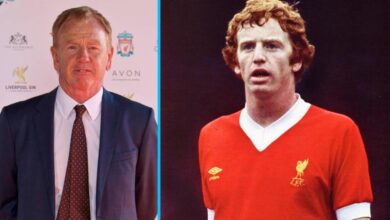
When you talk about loyalty, leadership, and resilience in English football, the name Gary Mabbutt inevitably comes up. He is not just remembered as a solid defender but as a symbol of commitment to one club during an era when long-term loyalty still meant something. For fans of Tottenham Hotspur, Mabbutt represents a golden bridge between grit and grace.
What makes his story even more compelling is that his career was never straightforward. Unlike many elite players who enjoy uninterrupted physical fitness, Mabbutt battled significant health challenges throughout his life. Yet, instead of limiting him, those challenges shaped his discipline and mental strength, turning him into one of the most respected captains in English football.
Early Life and Entry into Football
Gary Mabbutt was born on 23 August 1961 in Bristol, England. Growing up in a football-loving environment, he was naturally drawn to the game. His father, Ray Mabbutt, was also a footballer, which meant Gary had early exposure to the discipline and mindset required to succeed in the sport.
However, his journey wasn’t typical. At the age of 17, Mabbutt was diagnosed with Type 1 diabetes—a condition that would have ended many sporting careers before they even began. Managing insulin levels, diet, and energy while playing professional football is no small task. But instead of giving up, Mabbutt adapted. He became highly disciplined, learning to control his body in ways that later gave him an edge in consistency and endurance.
He began his professional career with Bristol Rovers, where he quickly gained attention for his versatility. Initially playing in midfield, he showed intelligence, composure, and an ability to read the game. These traits would later become central to his success as a defender.
Rise at Tottenham Hotspur
In 1982, Mabbutt made the move to Tottenham Hotspur—a transfer that would define his entire career. What followed was a remarkable 16-year spell with the club, something rarely seen in modern football.
At Spurs, he transitioned into a central defensive role. This change turned out to be pivotal. His awareness, positioning, and calmness under pressure made him a natural fit at the back. Unlike aggressive defenders who relied solely on physicality, Mabbutt used intelligence to anticipate play and break down attacks.
Over time, he became more than just a player—he became a leader. His consistency and professionalism earned him the captain’s armband in 1987. From that point on, he led the team for over a decade, guiding them through both successes and difficult periods.
During his time at Spurs, he made over 600 appearances, placing him among the club’s most dedicated servants. This level of commitment built a deep connection with fans, who admired not just his performances but his unwavering loyalty.
Leadership and Captaincy
Leadership in football isn’t just about wearing an armband—it’s about influence, stability, and trust. Gary Mabbutt embodied all of these qualities. As captain of Tottenham Hotspur, he was known for leading by example rather than through loud instructions.
One of his defining traits was composure. Whether the team was winning or struggling, Mabbutt maintained a calm presence. This steadiness helped teammates stay focused, especially during high-pressure matches. Younger players often looked up to him, not just for guidance on the pitch but also for professionalism off it.
His leadership was especially valuable during transitional phases for the club. Tottenham went through managerial changes and squad rebuilds, but Mabbutt remained a constant figure. That consistency helped maintain a sense of identity within the team.
Perhaps the most impressive part of his captaincy was how he balanced authority with humility. He commanded respect without demanding it—a rare quality that made him one of the most admired captains in English football history.
Major Achievements and Career Highlights
Gary Mabbutt’s career is filled with memorable achievements, particularly with Tottenham Hotspur. One of his earliest successes came in 1984 when Spurs won the UEFA Cup. Although he was still establishing himself at the time, that victory marked the beginning of his association with silverware.
Another defining moment came in 1991 when he captained Spurs to FA Cup glory. Winning the FA Cup as a captain is a significant achievement in English football, and it cemented his legacy at the club. That victory wasn’t just about the trophy—it symbolized years of dedication and leadership paying off.
Interestingly, one of the most talked-about matches in his career was the 1987 FA Cup Final. In that game, Mabbutt scored both a goal and an own goal, showcasing the unpredictable nature of football. Despite the mixed outcome, his performance demonstrated his willingness to take responsibility in critical moments.
Beyond club success, Mabbutt also represented England internationally. He earned 16 caps for the national team, contributing to the squad during the 1980s and early 1990s. While his international career wasn’t as extensive as some of his peers, it still reflected his quality and consistency at the highest level.
Playing Style and Strengths
Gary Mabbutt was not the flashiest defender, but he was incredibly effective. His playing style was built on intelligence rather than brute force. He had an excellent ability to read the game, often intercepting passes before attackers could create real danger.
Positioning was one of his greatest strengths. He rarely found himself out of place, which allowed him to maintain defensive stability. This skill was particularly valuable in an era when defensive organization was crucial to a team’s success.
Another key aspect of his game was versatility. Having started as a midfielder, he was comfortable with the ball at his feet. This allowed him to contribute to build-up play, rather than simply clearing the ball under pressure.
His calm demeanor also played a significant role. Even in tense situations, he remained composed, making smart decisions rather than reacting impulsively. This reliability made him a trusted figure in defense and a cornerstone of Tottenham’s backline for many years.
Overcoming Adversity
One of the most inspiring aspects of Gary Mabbutt’s story is how he overcame adversity. Living with Type 1 diabetes while playing professional football is a challenge that requires constant attention and discipline. Managing blood sugar levels, especially during high-intensity matches, is not easy.
Despite this, Mabbutt never allowed his condition to define his limitations. Instead, he used it as motivation to maintain strict control over his lifestyle. This discipline likely contributed to his longevity in the sport.
Another major setback came in 1993 when he suffered a serious facial injury, resulting in a fractured skull and eye socket. For many players, such an injury could have ended their careers. But Mabbutt returned to the pitch, even wearing a protective mask—something that was quite rare at the time.
These experiences highlight his resilience. He wasn’t just physically strong but mentally tough, capable of overcoming challenges that would have discouraged many others.
Life After Football
After retiring from professional football in 1998, Gary Mabbutt remained closely connected to the game. He took on ambassadorial roles with Tottenham Hotspur, representing the club at events and engaging with fans worldwide.
He also became involved in charitable work, particularly focusing on diabetes awareness. Given his personal experience, he has been an advocate for better understanding and management of the condition. His efforts have helped inspire many young athletes facing similar challenges.
In addition, Mabbutt has worked as a motivational speaker. His life story—filled with perseverance, leadership, and success—makes him a compelling figure to learn from. Whether speaking to corporate audiences or young athletes, he emphasizes discipline, resilience, and commitment.
Even after his playing days, he continues to be respected not just for his football achievements but for his contributions off the pitch.
Legacy in English Football
Gary Mabbutt’s legacy goes beyond statistics and trophies. While his 600+ appearances and FA Cup victory are impressive, what truly sets him apart is his character. In an era where players often move between clubs, his long-term commitment to Tottenham stands out.
He is often remembered as a “one-club man,” a term that carries significant respect in football culture. His loyalty, combined with his leadership, has made him a role model for future generations.
Fans still hold him in high regard, and his name frequently comes up when discussing Tottenham’s greatest captains. His influence can also be seen in how modern defenders approach the game—valuing intelligence and positioning alongside physical ability.
Moreover, his story serves as inspiration beyond football. It shows that with determination and discipline, it is possible to overcome personal challenges and achieve excellence.
Conclusion
Gary Mabbutt’s journey is a powerful example of what it means to combine talent with resilience. From his early days in Bristol to becoming a legendary captain at Tottenham Hotspur, every step of his career reflects dedication and strength of character.
He was not just a defender but a leader who inspired those around him. His ability to overcome diabetes, recover from serious injuries, and maintain a long, successful career makes his story truly remarkable.