The Booming Vehicle Protection Market: How Auto Dealerships Are Driving Profits with PPF and Advanced Tints


Introduction: The Shift in Automotive Consumer Behavior
The automotive landscape is undergoing a significant transformation driven by changing consumer behaviors and economic realities. With the average age of vehicles on the road hitting historic highs, buyers are prioritizing longevity and asset preservation more than ever before. This macro shift has fundamentally altered the post-purchase relationship between dealerships and their clientele.
Consumers are no longer satisfied with standard dealership offerings; they demand robust solutions to maintain their vehicle’s Resale Value over extended ownership periods. Consequently, the core profit growth centers within the automotive aftermarket are pivoting rapidly. The focus is shifting away from traditional mechanical maintenance toward high-end exterior protection materials.
For modern 4S dealership managers and auto detailing entrepreneurs, this represents a highly lucrative opportunity. The demand for flawless aesthetics has paved the way for advanced surface protection technologies to become standard add-ons rather than niche luxury requests. Capturing this market requires a deep understanding of material science and strategic service integration.
Overcoming Supply Chain Hurdles in the Auto Aftermarket
Despite the clear financial upside of vehicle protection services, scaling these operations presents complex logistical hurdles. B2B automotive service businesses often struggle with fragmented procurement channels and inconsistent material quality. Relying on multiple middlemen erodes profit margins and creates dangerous bottlenecks during peak seasonal demand.
To mitigate these risks, astute dealership owners are restructuring their procurement models to prioritize direct-to-manufacturer relationships. This approach not only bypasses wholesale markups but also ensures strict quality control. The primary challenges businesses must overcome include:
- Inventory Overhead: Tying up excessive capital in bulk material orders that age on the shelf.
- Quality Variations: Navigating inconsistent adhesive properties and film thicknesses from unreliable third-party distributors.
- Limited Customization: Inability to source private-label packaging or custom dimensions for specific vehicle models.
As the demand for high-end vehicle aesthetics surges, independent detailing shops and auto dealerships face the challenge of securing consistent, high-quality material supplies without over-leveraging inventory. Partnering directly with an established automotive film manufacturer like FlexiPPF that offers OEM capabilities, rigorous quality testing, and Flexible MOQ allows these businesses to scale efficiently while maintaining premium service standards. Optimizing this supply chain is the critical first step toward sustaining healthy cash flow.
Key Profit Drivers for Modern Dealerships
Successfully capitalizing on the vehicle protection boom requires a diversified yet highly complementary service portfolio. Dealerships must move beyond basic car washes and traditional wax applications. The modern profit engine is fueled by high-ticket, high-margin services that deliver quantifiable long-term value to the consumer.
Paint Protection Film (PPF) as the Gold Standard
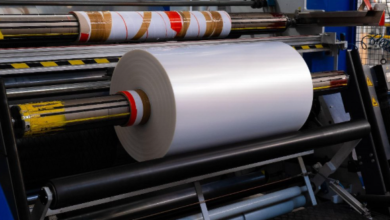
At the forefront of this profitability matrix is Paint Protection Film, widely recognized as the industry’s gold standard for surface preservation. The technology relies on advanced Thermoplastic Polyurethane (TPU), an elastomeric polymer that offers unparalleled physical shielding. From a material science perspective, premium PPF provides a robust barrier against rock chips, road debris, and environmental fallout.
Terminal customers are increasingly willing to pay a high premium for these installations due to the demonstrable technological advantages of modern films. The value proposition is clear, driven by several key technical properties:
- Self-Healing Characteristics: Minor scratches and swirl marks disappear when exposed to ambient heat or engine warmth.
- Superior UV Resistance: High-grade films offer up to 5,000 hours of accelerated weathering resistance, preventing paint fading.
- Anti-Yellowing Formulations: Advanced topcoats prevent the discoloration that plagued older generations of clear bras.
Advanced Window Tints and Ceramic Coatings
While PPF protects the vehicle’s high-impact zones, advanced window tints and ceramic coatings complete the total protection matrix. Modern nano-ceramic window tints go far beyond simple privacy shading. They are engineered to provide over 98% ultraviolet light rejection and massive infrared heat reduction, significantly enhancing cabin comfort and protecting interior upholstery.
When these technologies are strategically bundled, they create powerful Cross-selling opportunities for auto detailing shops. A customer investing in frontal PPF is highly receptive to adding ceramic coatings to the remaining painted surfaces and advanced tints to the glass. This bundled approach maximizes the revenue generated per vehicle in the bay, driving operational efficiency.
The Financial Impact on Vehicle Resale Value
From a pure commercial perspective, the installation of high-quality protection films is no longer just an aesthetic luxury; it is a financial strategy. Vehicles protected by premium PPF experience a significantly reduced Depreciation rate compared to their unprotected counterparts. When these vehicles re-enter the market as trade-ins, their pristine clear coats command top-tier valuations.
Dealerships that install these products on new vehicles essentially protect their own future inventory. When a lease is returned or a vehicle is traded in, the removal of the film reveals factory-fresh paint. This eliminates the need for expensive paint correction or respraying during the reconditioning process.
Consequently, the dealership benefits twice: first from the initial high-margin sale of the PPF installation, and second from the increased wholesale or retail value of the vehicle upon its return. This dual-sided financial impact is why leading automotive groups are aggressively integrating film installations into their pre-delivery inspection (PDI) processes.
Future Outlook: The Intersection of Auto Tech and Material Science
The trajectory of the automotive film market points toward sustained, aggressive growth. Industry analysts project the global market to expand at a robust compound annual growth rate over the next decade. This growth is underpinned by continuous innovations in polymer chemistry and adhesive technology, blurring the lines between automotive accessories and applied material science.
The evolution of vehicle aesthetics is deeply tied to advancements in material science. Today’s protective solutions are engineered from highly resilient Thermoplastic Polyurethane. According to general industry classifications, standard paint protection film not only shields the vehicle’s clear coat from minor abrasions and chemical stains but also significantly mitigates the degrading effects of prolonged ultraviolet exposure over a vehicle’s lifespan.
Looking ahead, we can expect the integration of smart functionalities into these films, such as structural color-shifting properties or enhanced hydrophobic nano-layers. For B2B procurement decision-makers, staying aligned with manufacturers who invest heavily in R&D will be crucial for maintaining a competitive edge in this rapidly evolving landscape.
Key Takeaways
| Area | Key Takeaway | Impact/Data |
| Market Trend | Pivot focus from mechanical maintenance to exterior protection | Drives post-purchase profits as car age hits historic highs |
| Supply Chain | Bypass middlemen via direct OEM factory partnerships | Cuts markup costs; guarantees quality and flexible MOQs |
| Product Strategy | Bundle TPU PPF, ceramic coatings, and nano-tints | Delivers >98% UV rejection and 5,000-hr weather resistance |
| Dealership ROI | Integrate film application into PDI process | Double-dips profit: high initial margins + zero paint repair on trade-ins |
Conclusion
The automotive aftermarket is undergoing a definitive shift toward premium, science-backed preservation technologies. Dealerships and detailing entrepreneurs who recognize this trend and adapt their service offerings will capture the most lucrative segment of the modern consumer base.
Ultimately, success in this sector boils down to a simple formula: an optimized, direct-to-manufacturer supply chain paired with uncompromising installation standards. By securing flexible procurement channels and mastering advanced material applications, automotive businesses can drive unprecedented profit growth in the booming vehicle protection market.