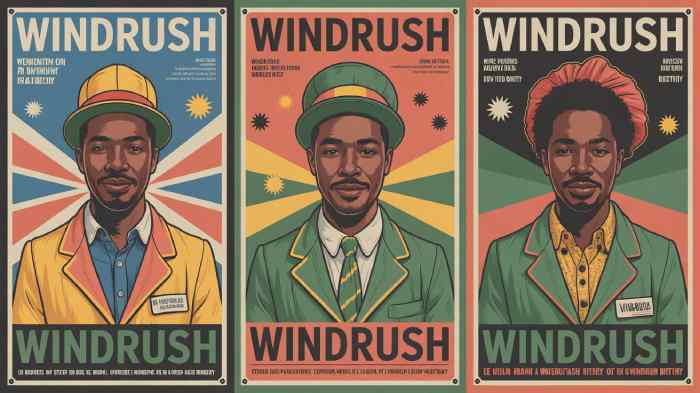
The Windrush Poster has become one of the most powerful visual tools used to preserve, explain, and celebrate an essential chapter of British history. Far more than a decorative print, a windrush poster tells stories of migration, resilience, contribution, and identity. It represents the journeys of Caribbean men and women who arrived in the United Kingdom in the mid-twentieth century and helped shape modern Britain.
Today, windrush posters are used in schools, museums, community centres, libraries, and public events, especially around Windrush Day. They serve both as educational resources and as cultural statements, reminding audiences of the challenges faced by the Windrush generation and the lasting impact they have had on British society.
Understanding the Windrush Story Behind the Poster
To understand the importance of a windrush poster, it is necessary to understand the story it represents. The Windrush generation refers to people from Caribbean countries who migrated to the United Kingdom between 1948 and 1971. They arrived at a time when Britain was rebuilding after the Second World War and facing serious labour shortages.
Many of these migrants worked in essential sectors such as transport, healthcare, manufacturing, and public services. Despite their contribution, they often faced discrimination, poor housing, and social exclusion. The windrush poster acts as a visual reminder of both their struggles and their achievements.
Why Visual Storytelling Matters
Posters have always played a crucial role in communicating ideas quickly and emotionally. A windrush poster combines imagery, colour, text, and symbolism to convey complex historical narratives in a way that is accessible to all ages. For many people, especially students, a poster can be the first introduction to Windrush history.
Visual storytelling helps bridge gaps between generations, cultures, and levels of historical knowledge. It allows the Windrush story to be shared not only through words, but through powerful imagery that resonates on a human level.
The Purpose of a Windrush Poster
A windrush poster can serve several purposes depending on its context and audience. While styles and messages may differ, most windrush posters aim to educate, commemorate, and inspire.
Educational Use in Schools and Colleges
In educational settings, the windrush poster is commonly used as a teaching aid. It may include timelines, key dates, photographs, and short explanations written in clear, age-appropriate language. Teachers use these posters to support lessons on migration, diversity, post-war Britain, and civil rights.
By presenting information visually, a windrush poster helps students engage with history more effectively than text alone. It also encourages discussion about identity, belonging, and equality.
Community and Cultural Commemoration
Community organisations often display windrush posters during cultural events, exhibitions, and Windrush Day celebrations. In this setting, the poster becomes a symbol of pride and remembrance. It honours the contributions of elders within the community and ensures their stories are not forgotten.
These posters may include portraits, quotes, or artistic interpretations that reflect lived experiences rather than purely academic facts.
Public Awareness and Recognition
Windrush posters are also used in public spaces such as libraries, council buildings, and transport hubs. Here, the goal is awareness. A passer-by may not seek out information about Windrush history, but a thoughtfully designed poster can spark curiosity and reflection.
Publicly displayed windrush posters help reinforce the idea that this history is a shared British history, not a marginal or optional topic.
Common Themes Found in a Windrush Poster
Although designs vary widely, certain themes appear repeatedly in windrush posters due to their historical and emotional significance.
Migration and Arrival
Many posters reference the moment of arrival in Britain, often symbolised through ships, suitcases, documents, or crowds at ports. These images capture the uncertainty and hope that defined the early Windrush experience.
Contribution to British Society
Another common theme is contribution. Posters often highlight the roles played by the Windrush generation in building public services such as the NHS, transport systems, and local communities. This counters outdated narratives and reinforces factual history.
Identity and Belonging
Windrush posters frequently explore questions of identity. They reflect what it means to be British, how cultures blend, and how identity can be shaped by both heritage and home. This theme remains especially relevant in modern discussions around citizenship and inclusion.
Struggle and Resilience
While celebration is important, many windrush posters also acknowledge hardship. Discrimination, housing challenges, and later immigration injustices are sometimes addressed through imagery or short explanatory text. This honest approach adds depth and credibility to the message.
Design Elements That Define an Effective Windrush Poster
A successful windrush poster balances information, emotion, and visual clarity. Designers often follow certain principles to ensure the poster is both impactful and respectful.
Colour and Symbolism
Colours may draw inspiration from Caribbean heritage or from muted historical tones. The choice of colour often reflects the mood of the poster, whether celebratory, reflective, or educational.
Symbolism is used carefully. Items such as passports, letters, musical instruments, or work uniforms can communicate meaning without overwhelming the viewer.
Typography and Language
Clear, readable typography is essential, especially in educational windrush posters. The language used is typically respectful, inclusive, and factual. Overly dramatic or sensational wording is avoided in favour of authenticity.
Using UK English and culturally appropriate phrasing helps ensure the message feels grounded and trustworthy.
Balance Between Text and Image
Too much text can make a poster difficult to engage with, while too little can oversimplify the topic. The most effective windrush posters strike a balance, offering key facts alongside strong visuals that invite further exploration.
Windrush Posters in the Digital Age
As society becomes increasingly digital, the windrush poster has adapted to new formats. Many posters are now designed for online use as well as physical display.
Social Media and Digital Campaigns
Digital windrush posters are widely shared on social media during Windrush Day and Black History Month. These designs are often optimised for screens, using bold imagery and concise messaging to capture attention quickly.
Digital distribution allows the Windrush story to reach a global audience, extending its impact beyond local communities.
Downloads and Educational Resources
Many organisations provide downloadable windrush posters for schools and community groups. These resources ensure consistent messaging while allowing widespread access to high-quality educational material.
Digital availability also helps smaller institutions and educators who may not have the budget for custom designs.
Cultural Importance of the Windrush Poster Today
In modern Britain, the windrush poster plays a role that goes beyond history education. It contributes to ongoing conversations about race, citizenship, and national identity.
By displaying windrush posters in public and private spaces, institutions acknowledge the importance of representation and recognition. These posters help ensure that the contributions of the Windrush generation are not treated as footnotes, but as central to the British story.
For younger generations, the windrush poster can be a source of connection and pride. For older generations, it can be a form of validation and remembrance.
FAQs
What is the main purpose of a windrush poster?
A windrush poster is designed to educate, commemorate, and raise awareness about the Windrush generation and their contribution to British society.
Where are windrush posters commonly used?
They are commonly displayed in schools, community centres, museums, libraries, and public buildings, especially during Windrush Day events.
Are windrush posters mainly educational or artistic?
They can be both. Some focus on education with facts and timelines, while others take a more artistic approach to storytelling and cultural expression.
Can a windrush poster be used for digital campaigns?
Yes, many windrush posters are created specifically for online use, including social media and digital exhibitions.
Why are windrush posters important today?
They help preserve historical memory, promote inclusion, and encourage understanding of Black British history in contemporary society.
Conclusion
The Windrush Poster is far more than a visual display. It is a meaningful bridge between past and present, education and culture, memory and recognition. Through thoughtful design and honest storytelling, windrush posters keep an essential chapter of British history visible and relevant.
As Britain continues to reflect on its identity and values, the windrush poster remains a powerful reminder of resilience, contribution, and belonging. By continuing to display, share, and discuss these posters, society ensures that the legacy of the Windrush generation is not only remembered, but truly understood.