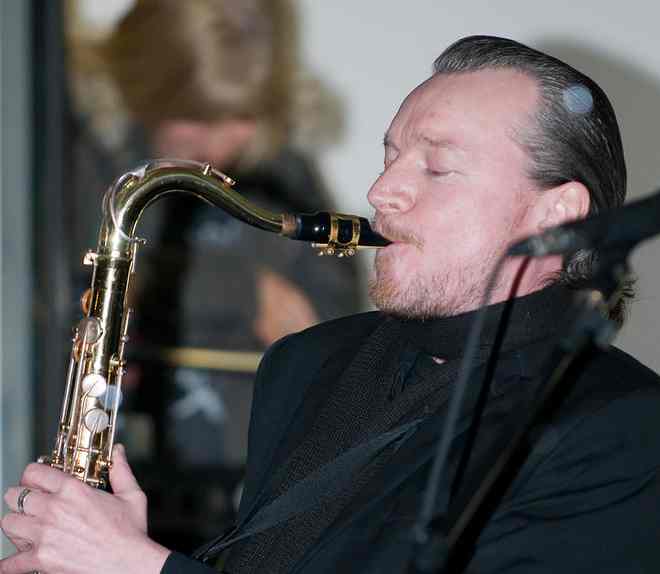
The story of Felim Gormley is one that sits at the intersection of music, cinema, and Irish cultural history. While many performers achieve recognition through constant media exposure, others leave a lasting impression through a single defining project combined with genuine artistic skill. Felim Gormley belongs firmly to the latter category. Known primarily for his involvement in one of Ireland’s most beloved musical films, he represents a generation of performers whose authenticity shaped an era rather than chasing celebrity status.
For audiences who discovered Irish cinema during the early 1990s, his work remains closely tied to a landmark moment when Dublin’s music scene captured international attention. Yet beyond that cinematic role lies a deeper professional identity — that of a trained musician whose career extended far beyond the screen.
Early Life and Irish Roots
Felim Gormley was born in Ireland in 1969, growing up during a period of significant cultural transformation across the country. Ireland in the late twentieth century was experiencing a renewed sense of artistic confidence, particularly in music and storytelling. Traditional influences blended with global sounds, creating opportunities for young musicians eager to experiment.
From an early age, music played a central role in his development. Unlike many performers who enter acting first, his foundation was firmly rooted in instrumental training. The saxophone became his primary instrument, offering both expressive freedom and technical challenge.
Musical Education and Training
His formal education reflected serious commitment rather than casual interest. He studied music professionally in Dublin, focusing on wind instruments including saxophone and flute. Structured training allowed him to develop:
- Strong jazz improvisation skills
- Ensemble performance discipline
- Technical proficiency across musical styles
- Live performance confidence
Further musical study abroad broadened his artistic outlook, exposing him to international performance standards and diverse musical traditions.
This rigorous background later proved essential when film producers sought authentic musicians rather than actors pretending to perform.
The Cultural Moment That Changed Everything
Irish Cinema in the Early 1990s
Before discussing his breakthrough, it is important to understand the context in which Felim Gormley emerged. Irish cinema during the late 1980s and early 1990s began gaining global visibility. Filmmakers increasingly told stories grounded in working-class experiences, humour, and music.
Audiences worldwide were becoming fascinated with authentic cultural narratives rather than polished Hollywood formulas. Music-driven storytelling, in particular, offered emotional immediacy.
It was within this environment that a film project would redefine Irish musical cinema.
Casting Authentic Musicians
When filmmakers began assembling a cast for a Dublin-based musical drama centred on a fictional soul band, authenticity became the guiding principle. Instead of selecting established actors, producers searched for real musicians capable of performing live music convincingly.
Felim Gormley’s musical expertise made him an ideal candidate. His training and performance experience ensured that what audiences saw and heard felt genuine rather than staged.
Breakthrough Role in The Commitments
His most recognised public appearance came through the internationally acclaimed film The Commitments (1991), directed by Alan Parker and adapted from Roddy Doyle’s novel.
Playing Dean Fay
In the film, Felim Gormley portrayed Dean Fay, the saxophone player within the band. The character contributed not only musically but also to the group’s dynamic chemistry — an essential aspect of the film’s realism.
Unlike traditional acting roles, the performance required genuine musicianship. Scenes involving rehearsals and performances relied heavily on live musical credibility, something audiences instinctively recognise.
Why the Film Became a Cult Classic
Several factors contributed to the film’s enduring success:
- Authentic portrayal of Dublin working-class life
- Powerful soul music performances
- Ensemble casting built around real musicians
- Humour blended with emotional storytelling
The soundtrack achieved remarkable popularity, introducing many viewers to Irish interpretations of American soul music.
As a result, Felim Gormley became permanently associated with a film widely regarded as one of Ireland’s most iconic cinematic exports.
Life Beyond Acting
While many expected cast members to transition into full-time acting careers, Felim Gormley followed a different path. His professional identity remained anchored in music.
A Working Musician’s Career
After the film’s success, he continued performing as a professional musician rather than pursuing celebrity fame. This decision reflects a broader truth within the performing arts: long-term artistic fulfilment often lies in consistent creative work rather than public recognition.
His musical career included collaborations and performances alongside internationally known artists. Touring and live performance became central components of his professional life.
International Performance Experience
Professional musicianship requires adaptability, discipline, and collaboration. Through live performances, he engaged with diverse audiences and musical styles, strengthening his reputation within industry circles even while maintaining a low public profile.
Such careers rarely attract headlines but often command deep respect among fellow musicians.
Musical Style and Artistic Identity
Understanding Felim Gormley’s contribution requires examining his artistic approach rather than simply listing achievements.
Jazz Influence
Jazz training shaped his musical voice significantly. Jazz musicians must master improvisation, timing, and group interaction — skills equally valuable in film performance environments.
This background helped him:
- React naturally during ensemble scenes
- Maintain rhythmic authenticity
- Blend performance with storytelling
Performance Philosophy
Many musicians who briefly enter film describe acting as an extension of performance rather than a separate craft. In this sense, his cinematic role can be viewed as another stage — one captured permanently on screen.
Rather than pursuing fame, his career demonstrates commitment to artistry itself.
Cultural Significance
Representation of Irish Musicians
Felim Gormley represents a category often overlooked in entertainment history: professional musicians whose authenticity elevates cinematic storytelling.
The success of The Commitments proved that audiences value realism. Musicians performing their craft naturally created emotional credibility that scripted acting alone could not replicate.
Influence on Music-Based Films
The film’s casting approach influenced later productions that prioritised real performers over purely dramatic actors. Music-driven films increasingly sought authenticity, recognising its impact on audience immersion.
His participation contributed to this shift, even indirectly.
Public Profile and Privacy
Unlike many performers associated with successful films, Felim Gormley maintained a relatively private life. Limited media appearances and interviews reinforced his identity as a working artist rather than a celebrity personality.
This privacy has several implications:
- Focus remained on artistic work
- Career longevity avoided public scrutiny pressures
- Recognition centred on craft rather than fame
Such choices highlight an alternative model of success within entertainment — one measured by professional respect rather than visibility.
The Enduring Legacy of The Commitments
Decades after its release, the film continues to attract new audiences. Music lovers, film students, and cultural historians frequently revisit it as a defining example of Irish storytelling.
For viewers, the authenticity of the band remains its strongest feature. Each performer contributed genuine musical energy, ensuring the film aged gracefully.
Felim Gormley’s role, though part of an ensemble, remains integral to that authenticity.
Lessons from His Career
Authentic Skill Matters
His journey demonstrates that technical expertise can open unexpected doors. Years of musical training led directly to cinematic opportunity.
Artistic Integrity Over Fame
Choosing sustained musicianship over celebrity highlights a valuable perspective within creative industries: fulfilment often lies in practice, collaboration, and performance rather than constant visibility.
Cultural Moments Shape Careers
Sometimes a single project captures a historical moment so perfectly that it defines an artist’s public legacy indefinitely.
Modern Relevance
Today, audiences increasingly value authenticity across entertainment platforms. Streaming services, documentaries, and live performance recordings all prioritise genuine talent.
In retrospect, Felim Gormley’s career appears ahead of its time — grounded in real skill rather than constructed image.
Younger musicians and performers can learn from this approach, recognising that meaningful contributions often outlast temporary fame.
FAQs
Who is Felim Gormley best known for playing?
He is best known for portraying Dean Fay, the saxophone player in the 1991 musical film The Commitments.
Is Felim Gormley primarily an actor or musician?
Although recognised for acting, he is primarily a professionally trained musician specialising in saxophone performance.
Did he continue acting after The Commitments?
His acting appearances remained limited, as he focused mainly on his music career and live performances.
Why is The Commitments still popular today?
The film’s authentic music performances and realistic portrayal of Dublin life continue to resonate with audiences worldwide.
What makes his role culturally significant?
His participation helped demonstrate how real musicians can enhance cinematic storytelling through genuine performance.
Conclusion
Felim Gormley’s career offers a compelling example of how authenticity shapes artistic legacy. Rather than pursuing widespread fame, he contributed meaningfully to a cultural moment that continues to influence music and film decades later. His work in The Commitments captured the spirit of Irish musical creativity at a time when global audiences were ready to embrace new voices and stories.
More importantly, his journey reminds us that lasting impact does not always come from constant visibility. Sometimes it emerges from dedication to craft, collaboration with fellow artists, and participation in projects that genuinely reflect lived experience. Through music and cinema alike, his contribution remains a quiet yet enduring part of Irish cultural history.