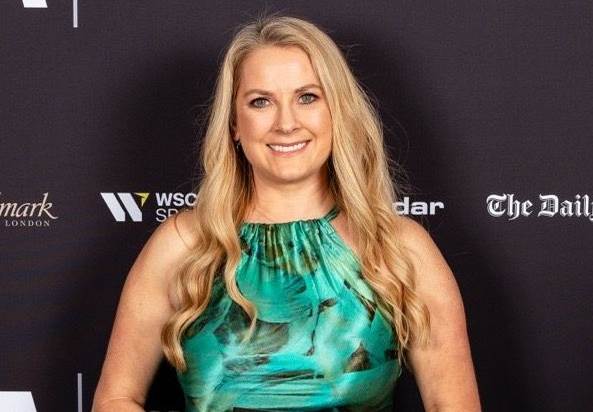
Liesel Jolly is not a household name in the way star footballers or pundits often are, yet her influence within the modern game—particularly women’s football—is both profound and far-reaching. Operating behind the scenes rather than under stadium lights, Liesel Jolly has become a key figure in shaping how the women’s game is marketed, funded, and sustained at elite levels. In an era where women’s football is experiencing unprecedented growth, professionals like Liesel Jolly are essential to ensuring that progress is not only visible but also sustainable.
Early Career and Professional Foundations
While detailed public information about Liesel Jolly’s early life remains limited—reflecting her preference for privacy—it is evident that her professional trajectory has been built on a strong foundation in marketing, sponsorship strategy, and sports business. Her career aligns with a growing trend in modern sport, where success is increasingly driven not only by athletic performance but also by strategic commercial partnerships and brand positioning.
Liesel Jolly developed expertise in aligning corporate objectives with sporting platforms, a skill that would later become central to her work in football. This involves understanding both the commercial goals of global brands and the cultural and emotional significance of sport to its audience. Few professionals manage to bridge these worlds effectively, but Liesel Jolly has done so with notable consistency.
Role at Visa
One of the defining aspects of Liesel Jolly’s career is her leadership role at Visa, where she has served as a key figure in women’s football initiatives across Europe. Visa is not merely a sponsor in the traditional sense; it has positioned itself as a long-term partner in the growth of women’s sport. Liesel Jolly has played a pivotal role in shaping and executing that vision.
At Visa, her responsibilities have included:
- Developing and implementing sponsorship strategies for major football tournaments
- Supporting elite female athletes through structured programmes
- Enhancing brand visibility in a way that aligns with gender equality and empowerment
- Building partnerships with governing bodies such as UEFA
Her work ensures that sponsorship is not superficial but instead contributes meaningfully to the sport’s infrastructure. This includes funding grassroots programmes, increasing media exposure, and creating opportunities for athletes both during and after their playing careers.
Contribution to UEFA Women’s Football
The growth of women’s football in Europe has been closely tied to increased investment and strategic partnerships. Liesel Jolly has been instrumental in strengthening Visa’s involvement with UEFA women’s competitions, including the UEFA Women’s Champions League.
Her work goes beyond traditional sponsorship activation. It includes:
- Crafting campaigns that highlight player stories and humanise the sport
- Supporting initiatives that improve fan engagement
- Promoting equal representation in marketing materials and media coverage
These efforts have helped elevate the profile of women’s football, transforming it from a niche interest into a mainstream sporting phenomenon. Attendance figures, broadcasting deals, and social media engagement have all risen significantly in recent years, and strategic marketing has been a crucial factor in that transformation.
The Importance of Strategic Sponsorship
To understand Liesel Jolly’s impact, it is important to recognise the role of sponsorship in modern sport. Financial backing alone is not enough; it must be accompanied by thoughtful strategy. Liesel Jolly has been at the forefront of this shift, ensuring that partnerships deliver value to all stakeholders.
Her approach typically involves:
- Long-term investment rather than short-term campaigns
- Athlete-focused storytelling
- Integration of digital platforms to reach younger audiences
- Alignment with broader social values such as inclusivity and equality
This model has proven highly effective in women’s football, where authenticity and community engagement are particularly important. By focusing on these elements, Liesel Jolly has helped create a sustainable growth model that benefits players, fans, and sponsors alike.
“The Second Half” Initiative
One of Liesel Jolly’s most notable contributions is her involvement in “The Second Half”, a programme developed in collaboration with Karen Carney. This initiative addresses a critical issue in professional sport: the transition from playing career to life after retirement.
Many athletes, particularly in women’s football, face uncertainty once their playing days come to an end. Financial instability, lack of career planning, and limited access to professional networks can all pose significant challenges. “The Second Half” seeks to mitigate these issues by providing:
- Career development resources
- Mentorship opportunities
- Educational support
- Networking platforms
Liesel Jolly’s involvement in this initiative highlights her commitment not only to the growth of the sport but also to the wellbeing of the individuals within it. By focusing on long-term career sustainability, she is helping to create a more secure and attractive environment for future generations of players.
Collaboration with Karen Carney
The professional relationship between Liesel Jolly and Karen Carney has attracted considerable attention. Carney, a former England international and now a respected broadcaster, brings first-hand experience of the challenges faced by female footballers. Liesel Jolly complements this perspective with her expertise in marketing and strategy.
Together, they represent a powerful combination of:
- Athlete insight
- Commercial acumen
- Advocacy for women’s sport
Their collaboration on initiatives such as “The Second Half” demonstrates how partnerships between former players and industry professionals can drive meaningful change. While there has been public curiosity about their personal relationship, both individuals have largely kept such matters private, choosing instead to focus on their professional contributions.
The Rise of Women’s Football
To fully appreciate Liesel Jolly’s impact, it is essential to consider the broader context of women’s football. Over the past decade, the sport has experienced remarkable growth:
- Increased media coverage and broadcasting deals
- Higher attendance at major tournaments
- Greater investment from sponsors and governing bodies
- Improved infrastructure and professional standards
This growth has not occurred by chance. It is the result of coordinated efforts from players, administrators, and professionals like Liesel Jolly. Her work in securing and activating sponsorships has been a key driver of this progress.
Marketing Women’s Sport in the Modern Era
Marketing women’s football presents unique challenges and opportunities. Historically, the sport has been underrepresented in media and sponsorship deals. Liesel Jolly has been part of a new wave of professionals seeking to change that narrative.
Her approach includes:
- Emphasising authenticity and relatability
- Highlighting diverse player stories
- Leveraging digital platforms for wider reach
- Aligning campaigns with social movements
This strategy resonates strongly with modern audiences, particularly younger fans who value inclusivity and purpose-driven brands. By tapping into these trends, Liesel Jolly has helped position women’s football as both a sporting and cultural movement.
Leadership and Industry Recognition
Although she maintains a relatively low public profile, Liesel Jolly is highly regarded within the sports industry. Her expertise has led to involvement in judging panels, industry events, and strategic discussions about the future of women’s sport.
Her leadership is characterised by:
- A focus on collaboration
- Strategic thinking
- Commitment to equality
- Long-term vision
These qualities have earned her respect among peers and positioned her as a key figure in the ongoing evolution of women’s football.
Challenges and Future Opportunities
Despite significant progress, women’s football still faces challenges, including:
- Pay disparities between male and female players
- Unequal media coverage
- Limited investment at grassroots levels in some regions
Liesel Jolly’s work addresses many of these issues indirectly by increasing commercial investment and raising the sport’s profile. However, there is still work to be done.
Future opportunities include:
- Expanding global reach beyond Europe
- Enhancing youth development programmes
- Strengthening domestic leagues
- Increasing representation in leadership roles
Professionals like Liesel Jolly will continue to play a crucial role in navigating these challenges and opportunities.
Personal Philosophy and Work Ethic
While Liesel Jolly does not frequently share personal insights publicly, her work suggests a clear professional philosophy:
- Sport should be inclusive and accessible
- Commercial success should support, not overshadow, athletic integrity
- Long-term sustainability is more important than short-term gains
Her commitment to these principles is evident in the initiatives she supports and the strategies she implements.
Influence Beyond Football
Although her primary focus has been football, the principles underlying Liesel Jolly’s work are applicable across the broader sports industry. Her approach to sponsorship, athlete support, and strategic marketing serves as a model for other sports seeking to grow and modernise.
This broader influence underscores her significance not just within football but within the wider world of sport and business.
FAQs
Who is Liesel Jolly?
Liesel Jolly is a sports marketing professional known for her work in developing and promoting women’s football, particularly through her role at Visa and her involvement in athlete support programmes.
What is Liesel Jolly known for in women’s football?
Liesel Jolly is recognised for driving sponsorship strategies, supporting UEFA women’s competitions, and co-creating initiatives like “The Second Half” to help athletes transition after retirement.
Is Liesel Jolly connected to Karen Carney?
Yes, Liesel Jolly has worked closely with Karen Carney on professional initiatives in women’s football, including programmes focused on player development and career support.
Conclusion
Liesel Jolly represents a new kind of influence in modern sport—one that operates behind the scenes but delivers visible and lasting impact. Through her work in sponsorship, marketing, and athlete support, she has helped shape the trajectory of women’s football at a critical moment in its development.
Her contributions demonstrate that the success of a sport depends not only on the talent of its players but also on the vision and dedication of those working off the pitch. As women’s football continues to grow, the role of professionals like Liesel Jolly will remain essential in ensuring that progress is both meaningful and sustainable.