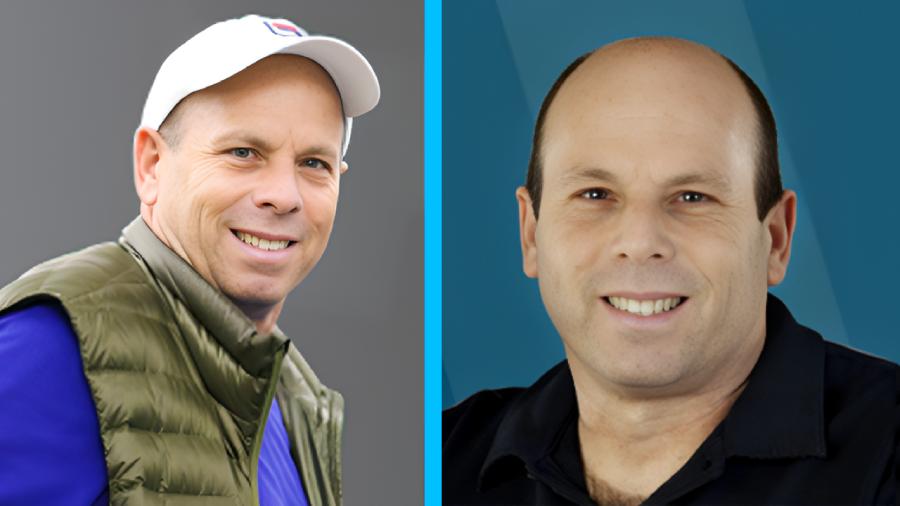
Robbie Wagner is a name that comes up almost instantly when you talk tennis on Long Island. For more than three decades, he’s been quietly (and not so quietly) shaping the careers of young players, building a training empire from the ground up, and earning a reputation as one of the most respected coaches in the USTA Eastern region. If you’re curious about who he is, how he got here, and why so many parents and players trust him with their tennis futures, this article breaks it all down in plain, casual language.
Who Is Robbie Wagner?
Robbie Wagner is an American tennis coach and the founder of the Robbie Wagner Tournament Training Center (RWTT), based in Glen Cove, New York. He’s spent his entire adult life around tennis courts, first as a competitive player and later as a coach who has guided everyone from beginner juniors to nationally ranked athletes and professional circuit players. Wagner built his name not through a flashy pro career, but through the slow, steady grind of coaching, building training systems, and growing an academy that’s become a staple of the Long Island tennis scene.
Early Life and Introduction to Tennis
Wagner’s tennis journey started young. He picked up a racket at the age of 12 and fell for the sport almost immediately. As his interest deepened, he started competing in satellite tournaments, which gave him a real feel for competitive play and helped shape how he’d eventually approach coaching. During his high school years, he played first singles for John Adams High School, a role that put him squarely in the spotlight among his peers. From there, he continued his playing career at Brooklyn College, sharpening his game even further before eventually testing himself on the satellite tour as a professional player.
This early grounding in competitive tennis is part of what makes Wagner’s coaching feel authentic. He’s not someone who learned the game purely from textbooks or theory; he lived through the grind of tournament play himself, which gives him a kind of credibility that’s hard to fake.
Building a Career From the Ground Up
Here’s the part of Wagner’s story that a lot of people find genuinely inspiring: he didn’t start at the top. His very first job in tennis involved cleaning courts at Howard Beach Tennis Club, about as humble a starting point as you can imagine. From there, he worked his way up to Head Pro at County Estate Swim and Tennis Club in Roslyn, all while simultaneously managing Roslyn Racquet Club at night. That’s not a typo, he was essentially working two demanding tennis jobs at once, putting in roughly 60-hour weeks just to build experience and reputation in the industry.
Eventually, he started renting courts at Roslyn Racquet Club’s Glenwood Landing location, where he ran a high-performance junior program for five years. That stretch of work laid the foundation for everything that came next.
The Turning Point: Becoming a Club Owner
In 1997, things changed in a big way. Roslyn Racquet Club decided to sell the Glenwood Landing facility, and Wagner seized the opportunity to buy it. This was the official start of his journey as a club owner, a transition that moved him from being just a coach to running an entire business. Two years later, he expanded again, purchasing the Glen Cove club as well. That move significantly widened both his business footprint and his coaching reach across Long Island.
Owning and managing two facilities wasn’t without its headaches. One particularly stubborn problem involved the bubble courts at the Glen Cove location, which kept flooding due to runoff from a nearby train station. Courts would be unusable for three or four days at a stretch, which is obviously a nightmare for a business that depends on consistent court availability. Wagner worked directly with an engineer to redesign the sewer and drainage system to solve the issue permanently. By 2000, he’d added two more bubble courts to the facility, further growing what RWTT could offer.
What Makes RWTT Different
The Robbie Wagner Tournament Training Center has built its reputation around comprehensive player development rather than just teaching strokes. The program is overseen by USPTA-certified and USTA High Performance-certified coaches whose goal is to help players grow not just technically, but strategically and mentally too. The idea is to pair each student with a coach whose style fits their personality, then build a development path that can take them from junior tournaments all the way up through college and even professional-level play.
This isn’t a “one-size-fits-all” academy. RWTT’s structure reflects Wagner’s belief that talent alone doesn’t make a great player; the right coaching relationship and a tailored approach matter just as much.
Recognition and Achievements
Wagner’s contributions to coaching haven’t gone unnoticed. He was selected by the USTA in both 1995 and 2000 as one of just 12 coaches nationwide to take part in a series of high-performance coaching seminars, a pretty exclusive honor that speaks to how highly regarded he is within the sport. In 1997, he was named USTA Long Island Coach of the Year. He’s also worked as a coach at the U.S. Open and the Junior U.S. Open for multiple years, putting him in direct contact with some of the highest levels of competitive tennis in the country.
Beyond these accolades, Wagner co-founded the Eastern Excel Tennis Camp, a program that draws players from across the United States and internationally. He also spent fifteen years as the Senior Teaching Professional at Roslyn Racquet Club before branching out on his own, and he holds USPTA certification, the gold standard credential for tennis professionals in the country.
Coaching Philosophy
If you ask Wagner what separates good players from great ones, he won’t tell you it’s pure talent. His philosophy centers on hard work, desire, and dedication as the real differentiators. Talent might get a player noticed, but according to Wagner, it’s the willingness to grind through repetitive training and tough losses that actually determines long-term success. This mindset shows up in how RWTT structures its programs, with an emphasis on consistent habits and disciplined practice rather than shortcuts.
He’s also said that watching junior players develop and eventually move on to play college tennis is the most rewarding part of his career. That focus on long-term outcomes, rather than short-term wins, is a big part of why parents trust him with their kids’ development over multiple years.
Expanding Beyond Long Island
Wagner hasn’t stopped at two facilities. In 2020, he and his business partners purchased the former Sound Shore tennis facility and used it to found the Westchester Tennis Center, now considered one of the premier indoor tennis facilities in Westchester County. He’s also part of an ownership group running a private, membership-only club in Southampton that offers tennis, pickleball, and padel, reflecting how the racket sports world has broadened beyond just tennis in recent years.
Looking ahead, Wagner has talked about wanting to build a club in Florida, aiming to bring his coaching philosophy and business experience to a brand-new community outside of the Northeast. Given his track record of steady, methodical expansion, it wouldn’t be surprising to see that materialize.
Personal Life and Mindset
Outside of coaching and running his clubs, Wagner enjoys hitting the gym and playing poker with friends, simple hobbies that offer a break from the demands of managing multiple facilities. He’s also proud that both of his children carried on the family’s tennis tradition by playing college tennis themselves, a nice full-circle moment given how his own career started.
What really stands out about Wagner, though, is his attitude toward retirement. He’s been blunt about it: he doesn’t plan to ever fully step away from coaching. His goal remains focused on giving junior players opportunities to succeed, a mission he describes as something he’ll keep doing for as long as he possibly can.
Why Robbie Wagner’s Story Resonates
Part of what makes Wagner’s story compelling is how unglamorous the early chapters were. Cleaning courts, working double shifts managing two clubs, dealing with flooded courts and drainage nightmares, these aren’t the kinds of details you typically associate with someone who eventually built a multi-location tennis empire. But that’s exactly the point. His path wasn’t built on overnight success; it was built through years of grinding, problem-solving, and reinvesting in his own growth as a coach and businessman.
For parents and players evaluating tennis academies, that kind of background often matters more than flashy marketing. A coach who’s lived through the same struggles that competitive players face tends to bring a different kind of empathy and insight to the table, and that seems to be a big part of why RWTT has maintained its reputation for over 30 years.
FAQs
Who is Robbie Wagner?
Robbie Wagner is an American tennis coach and the founder of the Robbie Wagner Tournament Training Center (RWTT) in Glen Cove, New York, known for developing junior and competitive players over more than three decades.
Where is Robbie Wagner’s tennis academy located?
His main facilities are located in Glen Cove and Glenwood Landing on Long Island, New York, with additional involvement in a Westchester facility and a club in Southampton.
What is Robbie Wagner known for in tennis coaching?
He’s best known for developing nationally and sectionally ranked juniors, top collegiate players, and professional circuit athletes, along with founding the Eastern Excel Tennis Camp.
Has Robbie Wagner received any coaching awards?
Yes, he was named USTA Long Island Coach of the Year in 1997 and was selected by the USTA in 1995 and 2000 as one of 12 coaches nationwide for high-performance coaching seminars.
Does Robbie Wagner still coach today?
Yes, he remains actively involved in coaching and managing his facilities, and has stated he has no plans to fully retire from the sport he loves.
Conclusion
Robbie Wagner’s career is a reminder that lasting success in coaching rarely happens overnight. From cleaning courts as a teenager to building one of Long Island’s most respected tennis training centers, his journey reflects decades of hard work, smart problem-solving, and a genuine love for helping young athletes grow. Whether you’re a parent searching for the right academy or simply curious about the people shaping the next generation of tennis talent, Wagner’s story offers a pretty clear picture of what real dedication to a craft looks like over the long haul.