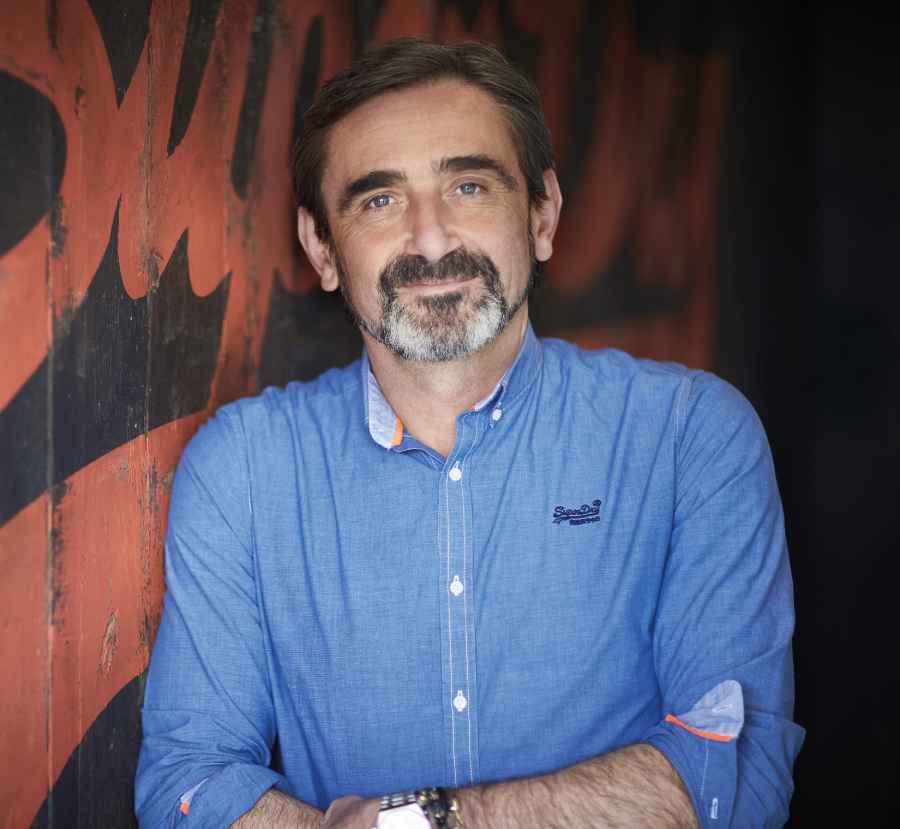
Julian Dunkerton is a name that resonates strongly within the British fashion and retail industry. Known primarily as the co-founder of Superdry, his journey from selling clothes on market stalls to building an internationally recognised brand is often cited as one of the most compelling entrepreneurial stories in modern UK retail. What makes his career particularly fascinating is not only the scale of success he achieved, but also the setbacks, public boardroom battles, and eventual return to leadership that reshaped his reputation as a resilient, hands-on founder.
Early Life and Influences
Julian Marc Dunkerton was born in 1965 in England and grew up in an environment that encouraged independence and creativity. From a young age, he showed little interest in conventional career paths. Instead, he was drawn towards fashion, youth culture, and the idea of running his own business rather than fitting into a corporate mould.
His early exposure to different parts of the UK helped shape his appreciation for subcultures, street style, and individuality. These influences would later become central themes in the brands he built. Unlike many fashion executives who emerge from design schools or corporate graduate schemes, julian dunkerton’s education came largely from hands-on experience and trial-and-error.
First Steps Into Retail
Market Stalls and Cult Clothing
julian dunkerton’s entrepreneurial journey began in the early 1980s when, still in his teens, he started selling clothes at markets. These stalls were more than just a way to make money; they were his testing ground. He learned what customers responded to, how pricing affected demand, and how trends could shift almost overnight.
In 1985, he co-founded Cult Clothing, a retail business focused on selling vintage American and Japanese-inspired apparel. Cult Clothing quickly gained a loyal following, particularly among younger shoppers who wanted something different from mainstream high-street fashion.
Learning the Business the Hard Way
Running Cult Clothing taught julian dunkerton the realities of retail: managing cash flow, negotiating with suppliers, and understanding customer psychology. These lessons would later prove invaluable when scaling a global brand. Importantly, this period reinforced his belief that authenticity mattered more than chasing short-term trends.
The Birth of Superdry
A Brand With a Unique Identity
The early 2000s marked a turning point in julian dunkerton’s career. In 2003, Superdry was launched as part of the Cult Clothing group. The brand stood out immediately due to its distinctive blend of American vintage style, Japanese graphics, and British tailoring.
Superdry was not built to follow fashion rules. Instead, it deliberately mixed cultural references in a way that felt fresh and unconventional. This bold identity resonated strongly with consumers who were looking for something that felt global yet individual.
Rapid Growth and Global Expansion
The first standalone Superdry store opened in London in 2004, and growth followed at an extraordinary pace. Within a few years, the brand expanded across the UK and into international markets. Celebrities wearing Superdry helped boost its visibility, but julian dunkerton was careful to ensure that the brand never relied solely on endorsements.
By the late 2000s, Superdry had become a major force in global casualwear, with stores across Europe, Asia, and North America. For julian dunkerton, this period represented the fulfilment of his early vision: building a brand that could compete internationally while retaining a strong sense of identity.
Leadership Style and Philosophy
Founder-Led Vision
One of the defining characteristics of julian dunkerton’s leadership has always been his founder-led mindset. He is known for being deeply involved in product decisions, branding, and long-term strategy. Rather than delegating creative control entirely to teams, he maintained a close connection to the brand’s core values.
This approach helped Superdry remain consistent during its early years. However, it also created challenges as the company grew larger and more complex.
Balancing Creativity and Structure
As Superdry expanded, the need for stronger corporate governance increased. julian dunkerton faced the difficult task of balancing creative freedom with the demands of running a publicly listed company. This tension would later play a significant role in the challenges the business faced.
Stepping Back and the Challenges That Followed
Departure From the CEO Role
In 2015, julian dunkerton stepped down as Chief Executive Officer, although he remained a major shareholder. At the time, the decision was seen as a move towards a more traditional corporate structure, allowing professional managers to handle day-to-day operations.
Initially, this transition appeared smooth. However, cracks soon began to show as the brand struggled to maintain its relevance in an increasingly competitive fashion market.
Declining Performance
In the years following his departure, Superdry faced declining sales and criticism over product direction. Many long-time fans felt the brand had lost some of its originality. Internally, disagreements over strategy intensified, and julian dunkerton became increasingly vocal about his concerns.
This period marked one of the most challenging phases of his career. Public disputes with the board highlighted the risks founders face when they relinquish control of their businesses.
The Return of Julian Dunkerton
A High-Profile Comeback
In 2019, julian dunkerton made a dramatic return to Superdry’s leadership after a successful campaign to regain influence at board level. His comeback was driven by a belief that the brand needed to reconnect with its roots and original vision.
This return was not without controversy, but it underscored his determination to protect what he had built. For many observers, it was a rare example of a founder reclaiming control after stepping away.
Refocusing the Brand
Following his return, julian dunkerton pushed for a renewed focus on product quality, brand clarity, and long-term sustainability. This included reassessing store strategies, refining collections, and rebuilding consumer trust.
While the challenges were significant, his involvement reassured investors and loyal customers that Superdry was once again being guided by its original creative force.
Business Beyond Fashion
Dunkertons Organic Cider
Outside fashion, julian dunkerton has invested in other ventures, most notably Dunkertons Organic Cider. This business reflects his interest in traditional craftsmanship and sustainable production. By applying lessons learned from fashion retail, he helped modernise the cider brand while preserving its heritage.
A Broader Entrepreneurial Outlook
These ventures highlight julian dunkerton’s broader entrepreneurial mindset. Rather than chasing trends, he tends to invest in businesses with strong identities and long-term potential. This approach aligns closely with his philosophy of authenticity and quality over rapid expansion.
Public Profile and Personal Life
julian dunkerton is known for being relatively private, despite his high-profile business career. He has, however, spoken openly about issues such as leadership responsibility, the pressures of public companies, and the importance of staying true to one’s vision.
His personal life has occasionally attracted media attention, but he generally prefers to let his work speak for itself. This balance between visibility and discretion has helped him maintain credibility within the business community.
Impact on British Fashion
Redefining Casualwear
julian dunkerton’s influence on British fashion cannot be overstated. Superdry helped redefine casualwear by blending global influences in a way that felt accessible yet distinctive. Many brands that followed adopted similar strategies, proving the lasting impact of his approach.
Lessons for Future Entrepreneurs
His story offers valuable lessons for aspiring entrepreneurs. It demonstrates the importance of understanding your customer, protecting your brand’s identity, and being prepared to adapt when circumstances change. It also highlights the risks and rewards of taking a company public.
FAQs
Who is julian dunkerton best known for?
julian dunkerton is best known as the co-founder of Superdry, a British fashion brand that achieved global success.
Did julian dunkerton start his career in fashion?
Yes, he began by selling clothes on market stalls before co-founding Cult Clothing and later launching Superdry.
Why did julian dunkerton return to Superdry?
He returned after concerns that the brand had lost its direction, aiming to restore its original vision and identity.
Is julian dunkerton involved in other businesses?
Yes, he is also associated with ventures such as Dunkertons Organic Cider and other lifestyle-focused businesses.
What is julian dunkerton’s leadership style?
His leadership style is hands-on and founder-driven, with a strong emphasis on authenticity and long-term brand value.
Conclusion
julian dunkerton’s career is a powerful example of how vision, resilience, and authenticity can shape a global brand. From humble beginnings on market stalls to leading one of Britain’s most recognisable fashion labels, his journey has been anything but straightforward. Yet it is precisely this mix of success, failure, and reinvention that makes his story so compelling.
By returning to Superdry when it mattered most, julian dunkerton reaffirmed the importance of founder leadership in maintaining brand integrity. His influence continues to be felt across British fashion and beyond, serving as both an inspiration and a cautionary tale for entrepreneurs navigating growth, control, and legacy.